A dealer group representing four brands is not running one compliance programme. It is running four, each with its own standards, cycle, and expectations from the OEM.
Most groups reach a point where checking in informally is no longer enough. Standards slip at one dealership while another prepares for a manufacturer visit, and nobody has a clear view of either. A proper internal audit function dealer group leadership can trust is what closes that gap. This guide covers how to structure it, who you need in it, and how to know it is working.
Why a Dealer Group Needs an Internal Audit Function
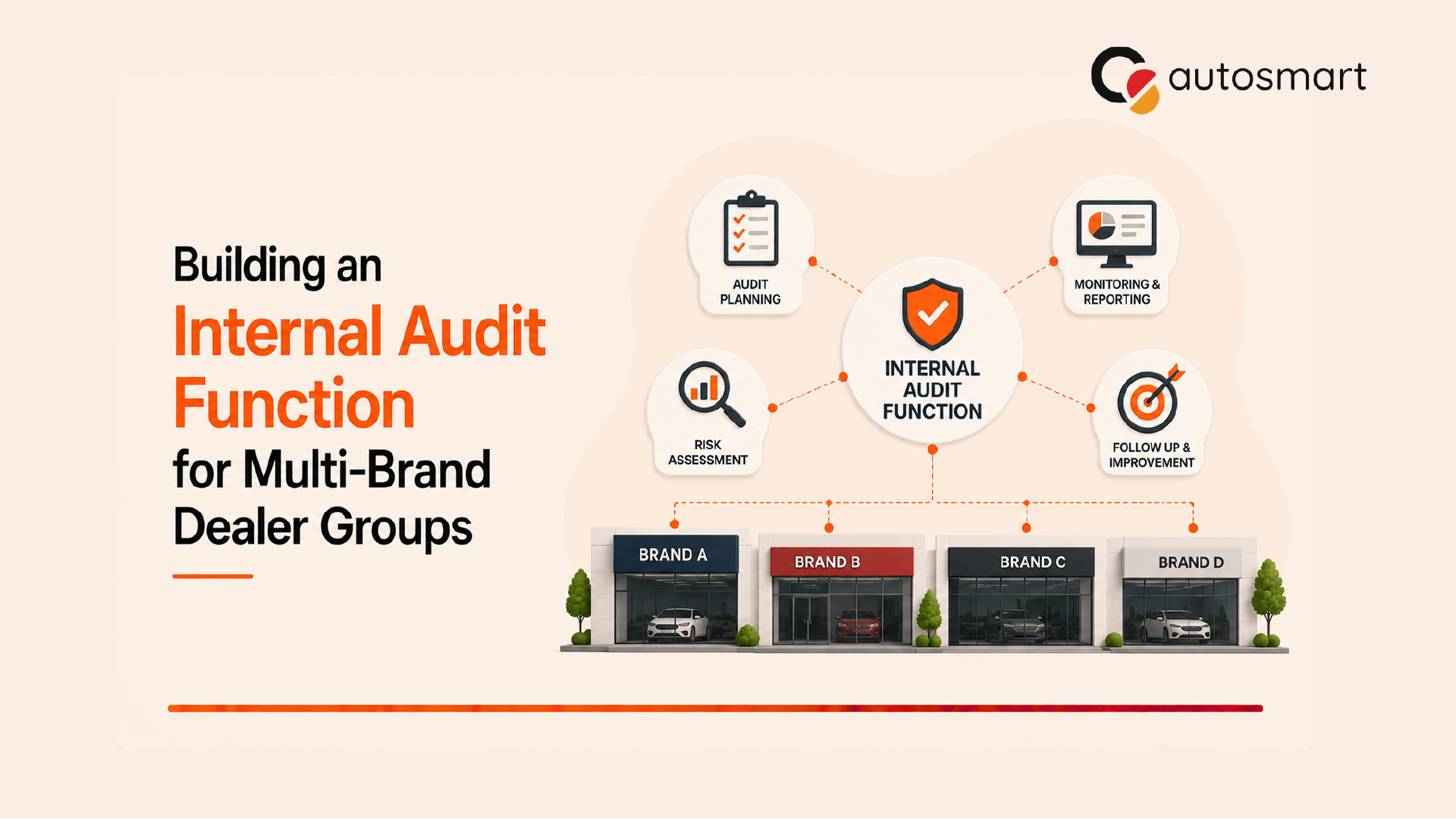
An internal audit function shows group leadership exactly how each dealership is performing against the standards it must meet, and does so continuously.
Without one, the group relies on OEM audits to reveal problems. By then, issues have usually existed for months, and the group is reacting to a manufacturer’s findings rather than managing its own network.
For multi-brand groups the case is stronger. Each manufacturer sets its own standards, and without a structured internal team, nobody has a full view across all of them.
Structuring a Multi-Brand Dealership Compliance Team
The right dealer group audit structure depends on network size, the number of brands represented, and how widely the dealerships are spread. Three models are common:
- Centralised, where one group-level team audits every location. Scoring stays consistent, though travel costs rise as the network spreads.
- Regional, where auditors cover territories. Response times improve and local knowledge builds, but scoring can drift without careful calibration.
- Hybrid, where regional auditors run routine cycles and a central team handles calibration and reporting. Most mid-size groups settle here.
The team should be organised around standards rather than geography alone. Auditors who specialise by brand develop sharper judgement on that manufacturer’s requirements than generalists covering everything.
Defining Dealer Network Compliance Roles
Clearly defined roles prevent the most common failure in internal audit: findings that nobody owns. A functioning team generally requires four:
- The audit lead, responsible for the programme, calendar, and reporting to group leadership.
- Field auditors, who carry out visits and record findings against the applicable standards.
- A brand or standards specialist, who maintains knowledge of each OEM’s requirements and updates checklists as standards change.
- A corrective action coordinator, who tracks every finding to closure and escalates what stalls.
The final role is the one groups most often omit, and its absence is why audits produce reports rather than improvement.
How to Set Up Internal Audits in an Automotive Group
Understanding how to set up internal audits automotive groups can sustain begins with scope rather than headcount. Four decisions come first:
- Define what will be audited.
Facility standards, staff certification, sales and service processes, and customer experience each require different checklists, and each OEM weights them differently. Build these before hiring the team.
- Establish the cycle.
Most groups audit each location quarterly, with additional reviews for underperforming dealerships. Publishing the cycle in advance ensures dealerships are assessed on equal terms.
- Agree on the scoring.
Fixed criteria, applied identically everywhere, make results comparable. Scores dependent on auditor judgement cannot be trusted across a network.
- Define the corrective action process.
Every finding needs an owner, a deadline, and a verification step.
CTA: Looking for a better way to manage audits across a multi-brand group? See how AutoSmart Audit helps compliance teams track findings and corrective actions at scale.
Handling Multiple OEM Standards at Once
The defining challenge for a multi-brand group is that each manufacturer sets different requirements, and a single auditor may assess two brands in one week.
The practical approach separates what is shared from what is specific. Facility cleanliness, staff presentation, and customer handling follow similar principles across manufacturers. Brand identity requirements, certification thresholds, and process steps do not.
Build a common core checklist for the shared elements, then layer brand-specific modules on top. Auditors work from one system, leadership sees comparable data, and each OEM’s requirements are still assessed properly.
Setting Audit Team KPIs
Audit team KPIs dealership groups adopt should measure improvement rather than activity. Counting completed visits shows how busy the team has been, not whether the network is improving.
More useful measures include:
- The closure rate of corrective actions within deadlines
- Movement in average network score across cycles
- Reduction in repeat findings at the same location
- The gap between internal scores and subsequent OEM results
The last measure matters most. When internal scores predict OEM outcomes accurately, that means that the programme is working.
Supporting a Lean Internal Audit Team
A small team can cover a large network provided the administrative load is controlled. The constraint is rarely the visits themselves, but the reporting and chasing that follows.
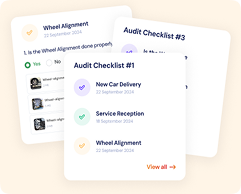
Digital audit tools remove most of that burden, and AutoSmart Audit is built for exactly this, giving multi-brand groups a single view of compliance across every location and brand.
Building an Internal Audit Function with AutoSmart Audit
An internal audit function dealer group leadership can depend on is not a reporting layer. It is what keeps a network performing consistently between manufacturer visits.
Structure it around standards, staff it with clear roles, measure it on improvement rather than activity, and give it tools that remove administrative work. AutoSmart Audit supports that last part, giving multi-brand groups one view of compliance across every location and brand. Groups that get this right stop preparing for OEM audits and simply pass them.
Book a demo of AutoSmart Audit to see how multi-brand groups manage compliance across their networks.

Ejaz leads engineering at AutoSmart. He built the platform around a constraint most audit software ignores: the auditor is standing in a workshop with no signal. He writes about offline-first architecture, audit data structures, and scoring systems.