

With electric vehicles, digital showrooms, and customer expectations evolving faster than ever, it’s no longer enough for automotive brands to just meet the bare minimum. Quality control, consistency, and compliance are now core drivers of brand loyalty and operational success.
Yet despite these changes, many decision-makers in the dealership and OEM space still operate under outdated assumptions when it comes to automotive audits. Which results in missed opportunities, higher risk, and a disconnect between standards and real-world execution.
Myth 1: “Audits are only needed when something is wrong.”
Reality: Audits are a proactive tool to prevent problems, not just a reactive fix.
This mindset treats audits like fire extinguishers: only break glass in case of emergency. But by the time an issue becomes visible, whether it’s poor service quality, regulatory non-compliance, or damaged customer trust, the damage is already done.
A smart audit process works as an early warning system, identifying trends, gaps, and risks before they escalate. Regular audits help dealerships maintain alignment with brand standards, spot training needs, and fix small problems before they snowball. It’s about continuous improvement, not just crisis response.
Myth 2: “Excel and manual checklists work just fine.”
Reality: Manual audits are outdated, inefficient, and prone to human error.
Sure, spreadsheets are familiar. But they weren’t designed for the complexity of multi-location dealer networks. Manual audits often result in inconsistent reporting, missed follow-ups, and siloed data that’s hard to analyze.
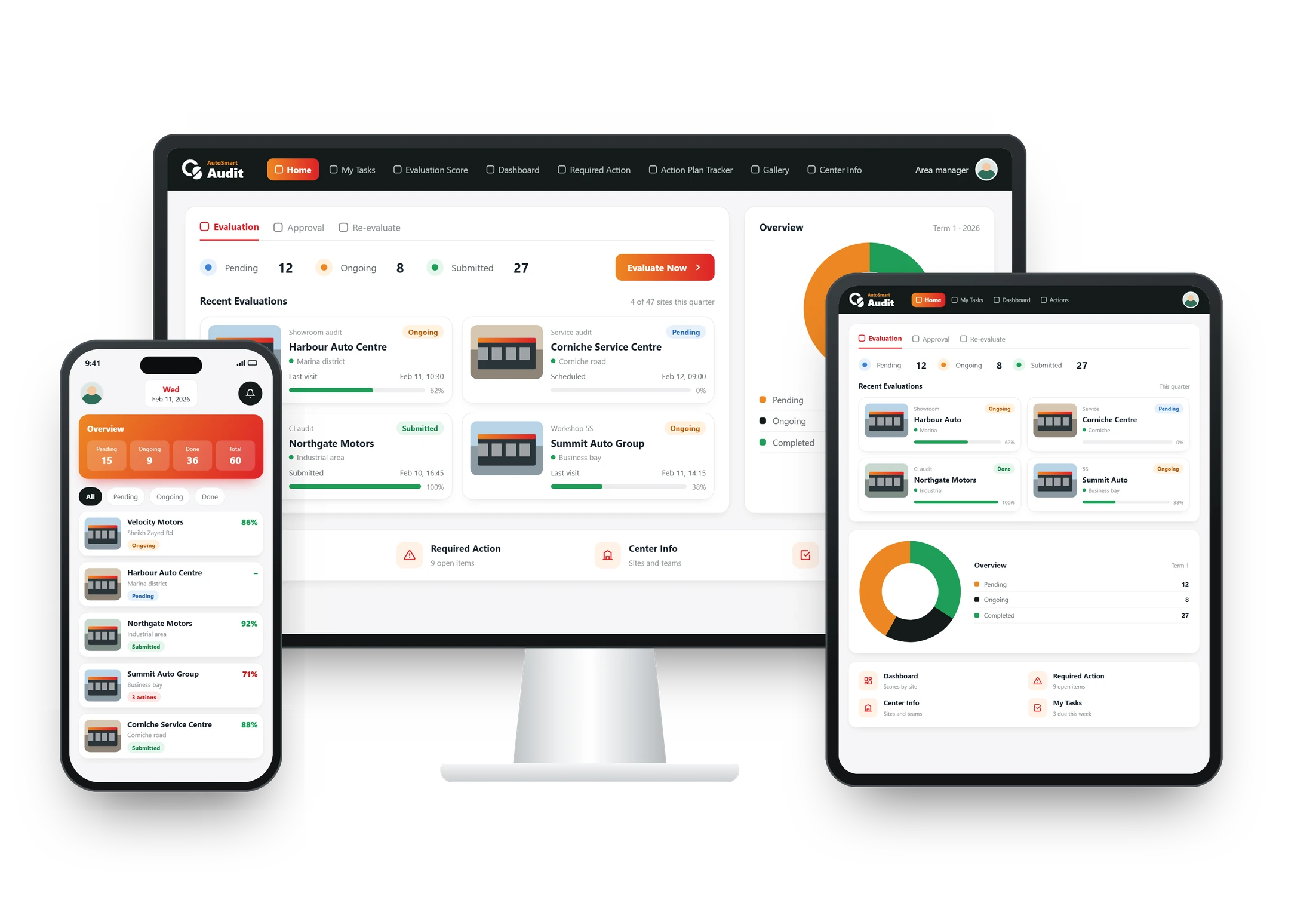
Modern audit platforms, like AutoSmart Audit, bring automation, real-time visibility, and built-in accountability to the process. Digital tools reduce errors, standardize data collection, and accelerate reporting, freeing up teams to focus on performance, not paperwork.
Myth 3: “OEMs already have systems, dealers don’t need more tools.”
Reality: Most OEM systems aren’t built for flexibility or dealer needs.
While many OEMs do provide their own compliance tools, these platforms are often rigid, outdated, or geared more toward corporate reporting than dealer usability. They can be inflexible when it comes to managing multiple programs, regions, or market-specific standards.
Dealerships need audit tools that adapt to their reality. A dedicated solution like AutoSmart Audit complements OEM systems by focusing on local execution, multi-outlet visibility, and user-friendly workflows that make auditing smoother for everyone involved.
Myth 4: “Audits are about catching failures.”
Reality: Modern audits are about driving accountability and improvement.
There’s a persistent belief that audits exist to punish underperformance or “catch people doing things wrong.” This mindset creates fear, defensiveness, and lowers transparency.
The most effective audit programs emphasize collaboration and problem-solving. With tools that assign ownership to failed items, track resolutions, and set due dates, audits become a launchpad for better outcomes. When audit insights are shared constructively, teams feel empowered to fix issues, not just defend them.
Myth 5: “Customer experience isn’t affected by audits.”
Reality: Every audit point connects directly to how customers perceive your brand.
It may seem like a minor detail if a showroom is slightly disorganized or a service bay misses a protocol. But to customers, these small failures can affect trust and satisfaction.
Audits ensure that operational consistency translates into brand consistency. Clean facilities, attentive service staff, safety checks, all of these are often tied to audit criteria. Dealerships that invest in regular, rigorous audits tend to see improvements in CSI (Customer Satisfaction Index) scores, repeat visits, and online reviews.
Myth 6: “Digital audit tools are too expensive or hard to implement.”
Reality: Cloud-based audit platforms are affordable, fast to deploy, and scalable.
Gone are the days when software rollouts took months and required expensive infrastructure. Today’s best-in-class digital audit tools are SaaS-based, meaning they’re hosted in the cloud, accessible from anywhere, and easy to integrate with existing systems.
In fact, AutoSmart Audit is designed for easy onboarding, mobile access, and intuitive use, making it a smart investment even for smaller dealer networks. Plus, the increased efficiency, better compliance, and fewer costly errors quickly outweighs any upfront cost.
Myth 7: “One audit format works for all locations and programs.”
Reality: Audits must be customized to suit local needs and global standards.
Dealer networks often span multiple regions, each with its own regulations, cultures, and operational challenges. A one-size-fits-all audit program is bound to miss key nuances, and risks alienating teams on the ground.
The most effective audit solutions offer multi-program and multi-region customization, while still ensuring centralized reporting and consistency. That means local managers get tools that reflect their realities, and OEMs get comparable, actionable data across the network.
Conclusion: It’s Time to Audit the Way We Audit
These seven myths highlight one major theme: many in the automotive space are still viewing audits through an outdated lens. But as years go, audits are no longer a checkbox, they’re a strategic function that ties directly to brand reputation, operational excellence, and business growth. Dealerships and OEMs who embrace it are seeing faster issue resolution, stronger accountability, and better customer outcomes.
If your audit process still relies on spreadsheets, static forms, or fear-based mindsets, it’s time to ask: what’s the cost of standing still?
Book a demo with AutoSmart Audit today and see how modern auditing can unlock measurable value across your dealer network.