Did you know that adopting a new dealer audit application can significantly improve your dealership’s compliance and efficiency?
But successful implementation of dealer audit software requires careful planning. This blog walks you through how to introduce dealer audit software into your operations smoothly.
By following the above steps, you can avoid common issues and ensure the software delivers its intended benefits.
Step 1: Know Your Goals and Requirements
Identify what you want to achieve with a dealer audit application.
Ask yourself these: Are you aiming to improve compliance tracking, reduce audit time, enhance reporting, or all of the above?
Gather input from various departments to understand their challenges in the current dealer audit process.
Use these inputs to create a list of goals and requirements. Having well-defined objectives will guide you the following steps and help in evaluating potential solutions.
Step 2: Do a thorough Research & Select the Right Software
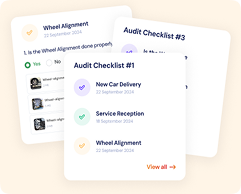
With your goals and requirements in hand, research the audit software options that fit your dealership’s needs. Look for applications that have the features you prioritized (e.g. AutoSmart Audit offers features such as customizable checklists, real-time dashboards, multi-location support).
Read reviews, case studies, or consult industry resources. Consider scheduling demos or trials to evaluate ease of use and compatibility with your dealership.
After comparing options, select the dealer audit application according to your requirements and budget.
Step 3: Plan a Pilot and Implementation Timeline
Take the selected audit software as a project. Create a plan with key milestones (configuration, testing, training, full deployment) and assign a coordinator to manage it. Document what works and what issues arise during the pilot, then adjust your plan before expanding. A clear plan and a small-scale trial run will set the foundation for a smoother facility-wide implementation.
Step 4: Train Users and Roll Out Gradually
Thorough training is critical for success. Organize hands-on training sessions so that auditors and managers learn how to use the new application step by step. Explain the importance of how the dealer audit software like AutoSmart Audit will make their jobs easier, for instance, show how it automates reports or simplifies checklist tracking.
Encourage questions and gather feedback during training. When it comes time to go live, consider a phased launch if possible. Roll out to additional locations in stages, so you can address any challenges on a smaller scale. Using a phased launch with proper training and feedback leads to much smoother adoption.
Step 5: Monitor, Support, and Continuously Improve
Once the dealer audit application is in use, closely monitor its impact. Track key metrics that align with your goals. For example, time taken to complete audits, number of compliance issues logged, or user satisfaction with the process. Gathering data will help you verify whether the audit application is able to deliver the expected improvements.
Also, seek feedback from your team after they conduct a few audits with the new system. If users report any challenges or suggestions, address them promptly. You may need to refine an audit checklist or provide follow-up coaching on certain features.
After a full cycle of audits, evaluate the outcome against the objectives set in Step 1. Remember that implementing an audit application is an ongoing effort. Continue to fine-tune your dealership audit processes and keep the software updated.
الخاتمة
Implementing a dealer audit application includes multiple steps, but with careful planning and execution, it can be accomplished with minimal disruption. By setting clear goals, choosing the right software, and rolling it out methodically with proper training, a dealership can smoothly transition to digital audits.
Following a structured approach, and remaining flexible to learn and adjust along the way, will set your team up for success. The result is a robust automotive audit system embedded in your automotive dealer operations, leading to better compliance oversight and more efficient workflows for years to come.

ناصيف عمر هو المؤسس والرئيس التنفيذي لشركة أوتوسمارت تكنولوجي، وهي منصة برمجية كخدمة (SaaS) تقوم برقمنة عمليات التدقيق لشركات تصنيع السيارات والموزعين وشبكات الوكلاء. ومن خلال خبرته السابقة في شركة تويوتا (عبد اللطيف جميل) وخلفيته في تقنية المعلومات والإدارة الصناعية، يكتب عن عمليات التدقيق، والانضباط التشغيلي، وبناء المنتجات البرمجية لعملاء المؤسسات عبر مختلف الأسواق.