
A Kia dealership audit is not just a routine visit. It affects your CSI scores, your network rankings, and your eligibility for dealer incentive programmes. Yet most dealerships only start paying attention to Kia dealer audit standards in the weeks before an auditor is due to arrive. Kia K-Standard compliance is a year-round operational framework, not an annual checklist.
It covers how your showroom looks, how your staff perform, how your sales process is documented, and how your after-sales team communicates with customers after the job is done.
This guide breaks down exactly what the framework covers, where dealerships most commonly fall short, and what consistent, high-performing Kia dealerships do differently so your team is ready long before the auditor walks in.
What Do Kia Dealer Audit Standards Actually Measure?
Kia dealer audit standards are the official set of criteria every authorised Kia dealership must meet. They are not suggestions. They are the baseline every dealership is measured against across every market Kia operates in.
The goal is simple. A customer visiting a Kia showroom in Dubai should have the same quality of experience as one visiting a showroom in Delhi or Dublin. That consistency is built through a structured, repeatable framework applied uniformly across the network.
Whether you are a dealer principal or a network manager, the more you understand about Kia K-Standard compliance, the better prepared your team will be when audit day arrives.
The Five Pillars of Kia K-Standard Compliance
Every Kia dealership audit is built around five core areas each with specific, observable criteria that auditors score during a formal visit.
Facility and showroom presentation
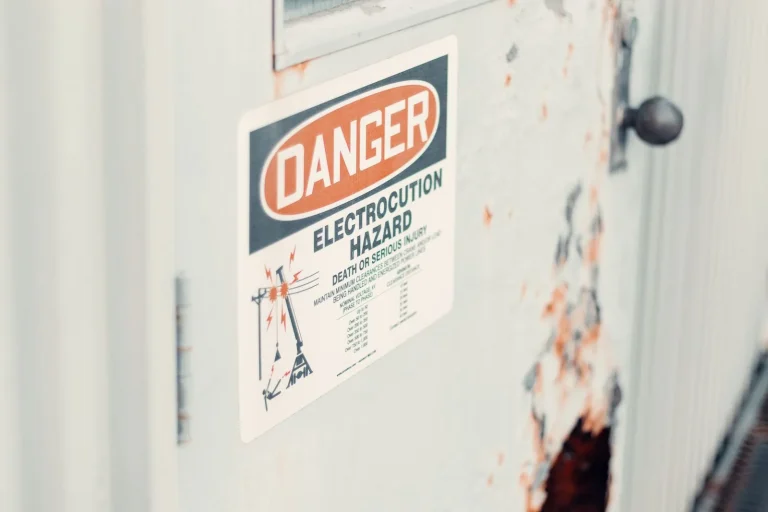
From signage condition and lighting quality to cleanliness and floor layout, every aspect of your physical environment is evaluated. A poorly maintained facility undermines the overall audit score, even when staff performance and processes are strong.
Vehicle display and merchandising
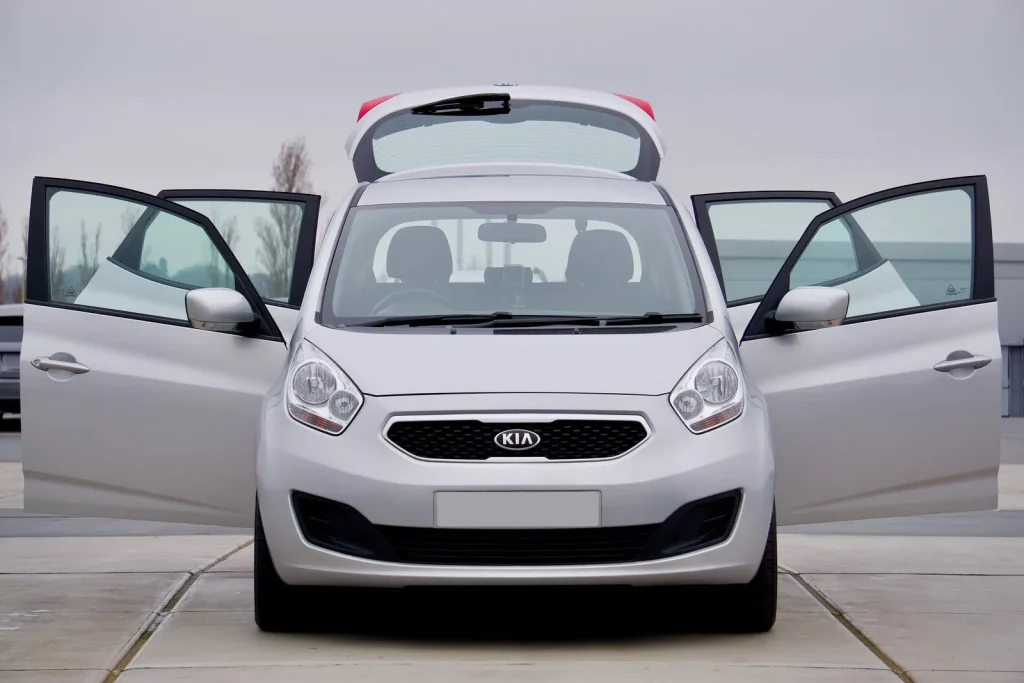
Every car on your showroom floor is being assessed. How it is positioned, how it is lit, whether the spec sheet is there, and whether the pricing board is correct, none of it gets missed.
Staff training and certification
Sales consultants and service advisors must hold current Kia product certifications. An outdated certification is a compliance failure on paper, even if the staff member has strong product knowledge.
Sales process and customer journey
From the first greeting to the final handover, auditors check whether your sales team is following Kia’s defined process at every stage. Post-test drive follow-ups and customer enquiries are also checked
After-sales and service quality
The workshop environment, service advisor communication, and post-service follow-up. Dealerships that treat aftersales as secondary see it reflected clearly in their audit scores.
How a Kia Dealership Audit Works: Stage by Stage
There is a common misconception among dealer teams that an audit arrives unannounced, with an assessor looking for faults. The Kia dealership audit does not work that way. It follows a structured, staged process, one that gives every dealership a clear and fair opportunity to demonstrate compliance.
What Happens Before the Kia Auditor Arrives
Before the auditor visits, dealerships receive an assessment framework outlining what will be evaluated. High-performing dealerships use this period to run internal walkthroughs, update certification records, fix visible facility issues, and brief their teams. The dealerships that take this stage seriously are always the best prepared on audit day.
What Auditors Assess During the On-Site Evaluation
On audit day, the assessor moves through every area of the dealership showroom floor, service reception, workshop bay, and customer-facing digital touchpoints. Staff interactions are observed. Documentation is reviewed. Each criterion is scored against the K-Standard checklist. Every checklist item has a clear outcome; it either meets the standard or it needs to be addressed.
What Happens After the Kia Dealership Audit Ends
Within five working days, the dealership receives a scored report followed by a structured debrief. A thorough debrief walks through each shortfall, explains what drove the gap, and outlines the corrective action required before the next cycle. The debrief is a structured improvement session. Its purpose is to give the dealership clarity on where it stands and what needs to change.
Where Kia Dealerships Lose the Most Points
Across Kia dealer audit programmes, certain compliance gaps appear with regularity even within dealerships that maintain strong day-to-day operations. This is largely because the demands of running a busy dealership and the requirements of a formal audit evaluation do not always align. A structured audit brings a level of scrutiny that day-to-day operations do not naturally produce.
Facility Problems That Show Up in Every Audit
Some of the most common issues flagged during a Kia dealership audit are right in front of you every day. Faded signage. Branding panels that are slightly off. Display areas that are not lit properly. These are not big problems. But they cost points. The reason most dealerships miss them is simple: when we walk past the same space and tend to overlook the details. The team is too focused on customers and daily tasks, not on checking whether the signage is still in good condition.
Staff Certifications That Are Not Up to Date
Every sales consultant and service advisor must hold a current Kia product certification. This is a direct requirement of Kia K-Standard compliance. The most common mistake is assuming that strong product knowledge is enough. It is not. If the certification record has not been updated, it is a compliance failure regardless of how well the staff member performs on the floor.
Why Customer Follow-Ups Must Always Be Recorded
Most dealership teams follow up with customers after a test drive or service visit. If a follow-up is not logged properly, an auditor cannot verify it. And what cannot be verified does not count. It is one of the simplest fixes in Kia K-Standard compliance and one of the most frequently missed.
How Top Kia Dealerships Stay Audit Ready All Year
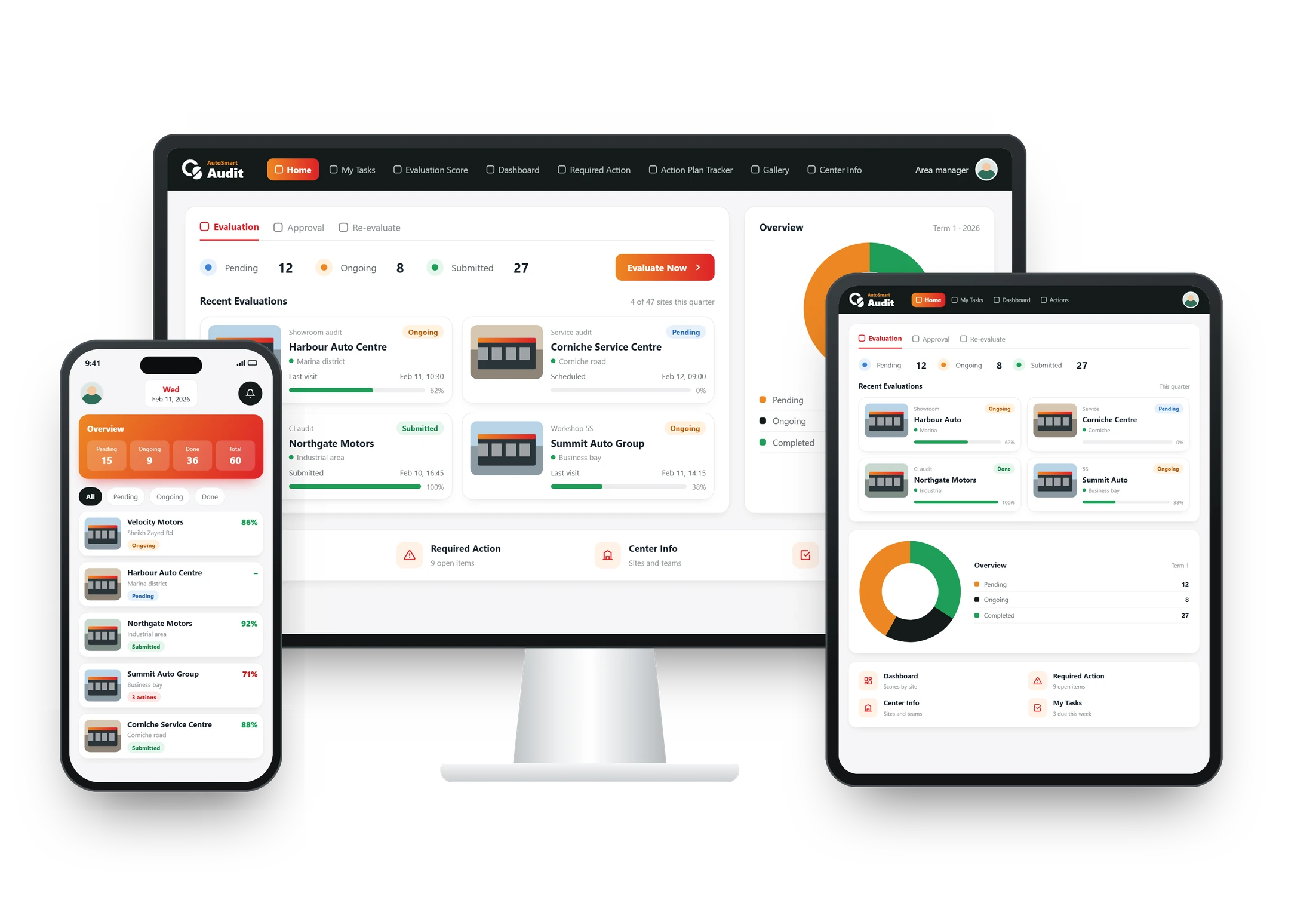
Dealerships that perform well in Kia dealer audit programmes tend to follow one consistent approach: they make compliance part of their regular routine rather than something they focus on only before an audit visit. Running an internal walkthrough every month using the K-Standard criteria helps teams stay on top of requirements throughout the year. When audit findings are received, they are used to build focused training sessions for the team, addressing specific areas rather than covering general topics.
Kia K-Standard compliance scores are also tracked alongside sales figures and service targets. This helps dealerships understand their performance clearly and make improvements in a structured and consistent way, and be audit-ready all year round.
Kia Dealer Audit Standards Are Here to Help You
Kia dealer audit standards are designed to support dealerships not to create additional pressure. They provide a clear and structured framework that helps every authorised Kia dealership understand what is expected, where improvements can be made, and how to deliver a consistent experience to every customer.
Kia K-Standard compliance, when given steady attention throughout the year, produces meaningful results. Customer satisfaction improves, network standings strengthen, and the formal audit visit becomes a straightforward process rather than a stressful one.
The dealerships that perform well in a Kia dealership audit are not necessarily the largest or most established. They are the ones that treat the K-Standard framework as a helpful guide, one that keeps their operation running to the standard their customers deserve.