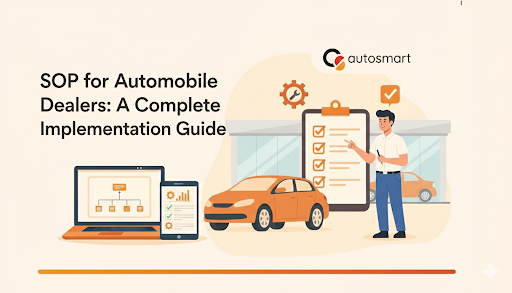
Every automobile dealership has processes. Most automobile dealers lack a standard operating procedure. Few follow it consistently. It is rarely measured objectively or updated in real time at all locations.
That’s the difference between car dealership procedures and ones that work well. This guide covers how to build, deploy, and enforce automobile dealership SOPs in a way that survives contact with a busy shop floor.
Why Most Dealership SOPs Stall Before They Scale
The most common SOP failure isn’t poor documentation, it’s poor deployment. Procedures get written, printed, filed, and forgotten. New staff get a one-hour walkthrough and then learn from whoever is standing next to them. Managers audit inconsistently because they’re working from impressions rather than data.
The result is that every location develops its own interpretation of the standard. What looks like one dealership group from the outside operates like five different businesses from the inside.
Fixing this requires more than better documents. Embed car dealership procedures into daily tasks. This way, following the standard is easier than ignoring it.
The Six Steps That Make SOP Implementation Stick
Dealership groups that successfully roll out automobile dealership SOPs follow a consistent pattern. The steps aren’t complicated, but skipping any of them is where most implementations fall apart.
Build Task Lists Before Anything Else
Document every step of your critical processes before trying to optimize them. Understand what’s actually happening on the floor first, then define what should be happening.
Assign Clear Ownership
Every SOP needs a named owner, a service manager, a sales manager, a fixed ops director. Without ownership, nobody is accountable when the process drifts.
Set Measurable KPIs
An SOP without a measurement isn’t a standard, it’s a suggestion.
Define compliance with numbers:
- Checklist completion rates
- Response time targets
- Audit scores
Build Training Around the SOP, Not Alongside It
Convert each procedure into the training itself. Role-specific checklists, not general manuals, are what staff actually use under pressure.
Deploy Digitally From Day One
Paper-based SOPs create paper-based compliance, self-reported, inconsistent, and impossible to track across locations. Digital checklists on mobile devices eliminate that gap.
Audit Continuously, Not Periodically
Quarterly reviews tell you what went wrong three months ago. Real-time dashboards tell you what’s happening now, when it can still be fixed.
Which Departments to Prioritize First
Not all departments carry equal risk when SOPs aren’t followed. Rolling out in the right order means targeting the highest-impact areas before the lower ones.
Service comes first. It’s where rework, OEM compliance failures, and CSI issues are most expensive. The multi-point inspection is important. Vehicle intake and technician sign-off also matter. They all help ensure quality and customer satisfaction. If they are inconsistent, the impact can be significant.
Sales follows. The way the dealership handles leads matters. Test drives are important too. How vehicles are delivered also shapes the customer’s experience. Inconsistency here affects conversion rates and repeat business in ways that compound over time.
F&I comes third. Menu presentation and disclosure processes are crucial for compliance and legal reasons. This means standardisation isn’t just sensible; it’s essential.
Facility and operations standards come last. This doesn’t mean they matter less; it’s just that they’re easier to enforce once a digital audit habit is in place throughout the business.
Your 30-Day Implementation Timeline
Week 1:
Week one is about mapping reality, not improving it. Document your current service MPI process exactly as it happens today , not how it’s supposed to happen. The gap between those two things is where you start.
Week 2:
Week two is about deployment. Convert the MPI into a digital checklist, train service advisors in one focused 90-minute session, and run a live pilot on the first 20 vehicles. Review the results before moving on.
Week 3:
Week three brings in the sales lead SOP. Set response time targets. Track compliance daily. Let the data show where the process breaks down, instead of waiting for a manager to notice.
Week 4:
Week four completes the rollout with F&I and facility SOPs. At this stage, KPI dashboards should be active. Every department head can view their compliance score in real time without needing to request a report.
From week five, the system operates on its own. It shows gaps, triggers fixes, and provides management with real data. This helps improve processes based on reality, not assumptions.
The Barriers That Kill Implementation
The most predictable point of failure is the third week. Implementation starts as a top priority at launch. Then, it fades as other tasks take up management’s time. Dealerships that boost adoption focus on making SOP compliance a regular topic in daily huddles. It shouldn’t be a separate initiative reviewed just once a month.
Manager resistance often arises from the belief that SOPs create extra work without clear advantages. The fix is tying compliance scores to performance reviews, not asking for buy-in on principle.
Staff pushback on new processes almost always comes from complexity. A one-page mobile checklist that takes three minutes to complete gets followed. A twelve-page manual that requires logging into a desktop system does not.
Multi-location inconsistency is tough to fix with paper systems, but easy with digital ones. When checklists are managed from one platform and sent to every site, the standard is the same everywhere as soon as it’s published.
How Digital Audit Tools Make SOPs Operational
The digital audit tool Autosmart Audit moves standard operating procedures for car dealers from paper to mobile devices. This way, they’re accessible right where the work happens.
Service advisors complete MPI checklists on a tablet next to the vehicle. Technicians photograph findings and log sign-offs in real time. Facility audits are completed on a phone during the morning walkthrough. Every result has a timestamp, gets scored automatically, and shows up on a dashboard. Fixed ops directors and network managers can access it from anywhere.
When an OEM requirement changes, the updated checklist goes to every location right away. It doesn’t wait for someone to remember to send a revised document. When audit scores fall in a department at several sites, the dashboard shows that pattern the same day, not in a report two weeks later.
For dealer groups managing auto dealerships in different locations, quick visibility is key. It can help catch a process failure early. Otherwise, it might only be found during an OEM inspection.
SOPs Work When They’re Part of the Workflow
A standard operating procedure for car dealers works best as a digital checklist on a device, not as a file in a shared drive.
The implementation steps, the rollout order, and the 30-day timeline above are straightforward. The difference between dealerships that improve and those that fall back lies in their system. This system helps them enforce, measure, and update their standards regularly.
Check out how Autosmart Audit helps dealers with SOP implementation. You can also book a free demo with the team.
FAQ
What is a standard operating procedure for automobile dealers?
A clear, step-by-step guide shows how to perform tasks consistently in every department. This includes service intake, MPI, sales lead handling, F&I presentation, and facility compliance checks.
What is the biggest reason car dealership operating procedures fail?
Deployment format. SOPs documented in PDFs or printed manuals rarely survive contact with a busy shift. Without digital checklists in daily tasks, compliance relies on memory, not on a clear process.
How does dealership process optimization work across multiple locations?
Centralised digital audit management uses one platform. Here, SOPs are set up, updated, and shared across all sites at once. Compliance dashboards display network-wide performance in real time.
How quickly can a dealership implement digital SOPs?
A focused 30-day rollout covers the highest-priority departments. The first two weeks of service MPI and digital checklist deployment often show clear compliance improvements before the full rollout.

Naseef Umar is the Founder & CEO of AutoSmart Technology, a SaaS platform digitizing audits for OEMs, distributors, and dealer networks. With prior experience at Toyota (Abdul Latif Jameel) and a background in IT and Industrial Management, he writes about audits, operational discipline, and building SaaS products for enterprise customers across markets.