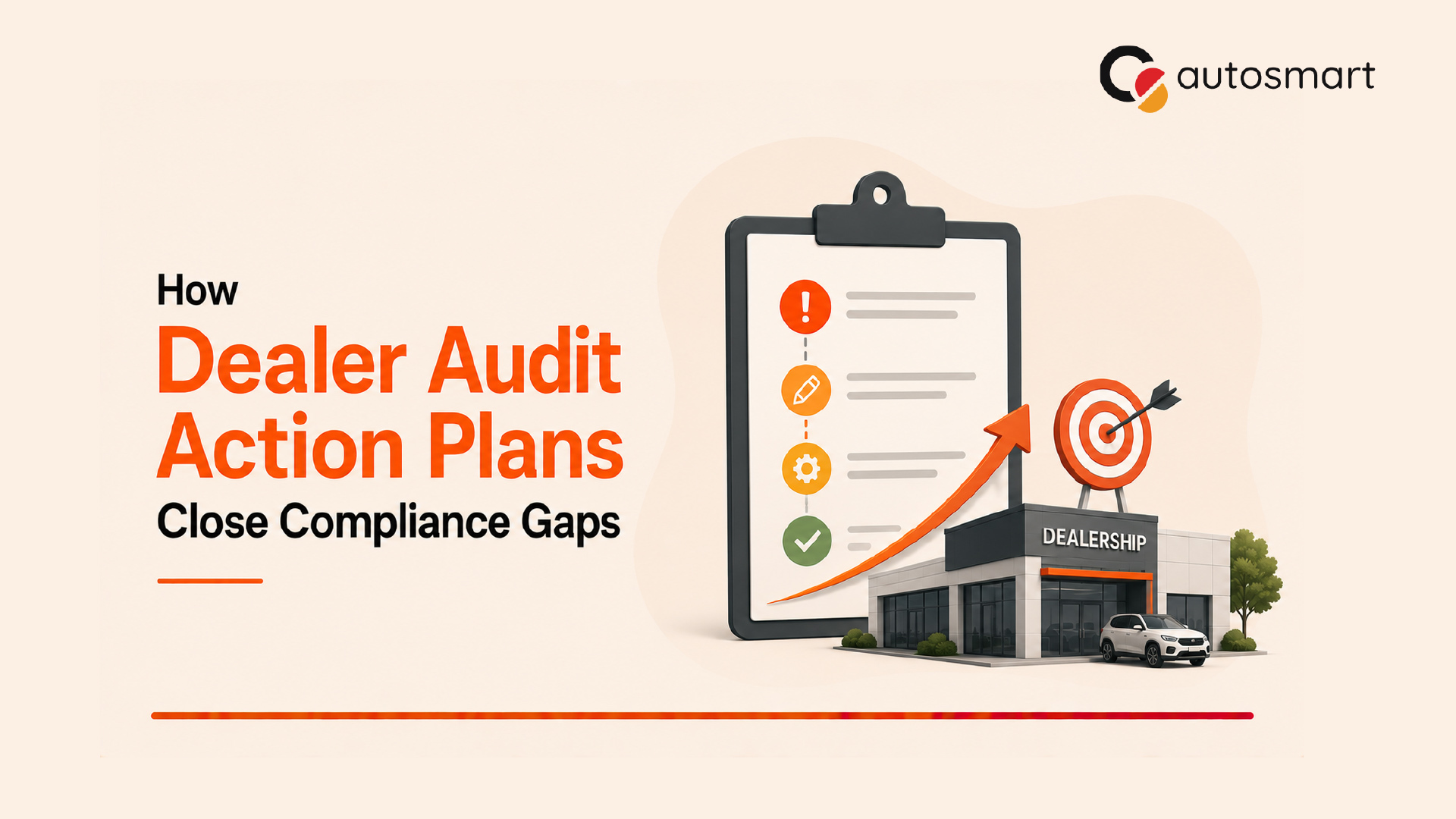
Dealer audits are meant to improve dealership performance, protect brand standards, and maintain operational consistency across the network. Yet many distributor groups still struggle to close dealership compliance gaps after an audit is completed.
The issue is rarely the audit itself. The real challenge starts after the findings are submitted. Action items are delayed, ownership becomes unclear, and recurring non-compliance appears in the next audit cycle.
For OEMs, regional managers, and dealer development teams, delayed corrective actions can affect customer experience, aftersales quality, infrastructure standards, and reporting accuracy. A structured dealer audit action plan helps distributor groups move from reporting problems to resolving them within clear timelines.
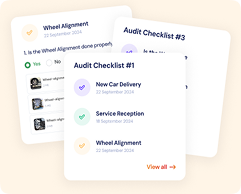
Businesses using digital audit systems are now shifting toward connected workflows where audit findings, corrective actions, evidence uploads, and approvals are managed in one place. This creates accountability across the dealer network and gives leadership a clearer view of unresolved risks.
For teams building stronger audit processes, AutoSmart Audit offers a digital approach that connects dealer audits with corrective action tracking and network-level reporting.
Why do traditional dealer audit processes fail to close gaps?
Many dealership networks still rely on spreadsheets, email follow-ups, and manual reporting after audits are completed. That creates delays and inconsistent follow-up between regions.
What happens when audit findings have no ownership?
A common issue is that findings are assigned to a dealership rather than a responsible individual. Without a named owner, follow-up becomes inconsistent.
When accountability is unclear:
- Corrective actions get delayed
- Regional managers spend more time chasing updates
- Repeat findings increase during future audits
Assigning a responsible person during the audit itself creates a clear path for resolution.
Why do unresolved audit findings continue across cycles?
Another issue is the absence of defined deadlines. If corrective actions do not have target completion dates, dealers often postpone them until the next review cycle.
This creates long-standing operational gaps in areas such as:
- Workshop processes
- Facility standards
- Staff certification
- Safety compliance
- Customer handling procedures
Dealer groups that track closure timelines digitally are able to identify ageing action items before they become recurring failures.
How does missing verification affect dealership compliance?
In many audit programmes, dealers mark findings as completed without submitting proof. This creates reporting gaps and weakens audit credibility.
An effective dealer audit action plan should have:
- Photo evidence
- Document uploads
- Manager approvals
- Audit trail history
- Verification workflows
This approach helps OEMs maintain accurate dealership compliance records across the network.
How can distributor groups build a faster action plan process?
Leading dealer networks are now treating corrective action management as a structured operational workflow rather than a follow-up task.
What should happen immediately after a dealer audit?
Every failed audit item should automatically convert into an action item with:
- Assigned ownership
- Defined timelines
- Priority levels
- Supporting evidence requirements
This removes delays between audit completion and corrective action initiation.
Teams working on audit standardisation may also benefit from reading Dealer Operating Standards (DOS) Audit Guide for OEMs, which explains how OEMs evaluate dealership operations across sales, service, and infrastructure.
How should dealers track corrective actions?
Once corrective actions begin, dealerships should be able to update progress directly inside the audit platform.
A connected workflow helps teams:
- Track pending actions in real time
- Upload supporting evidence
- Monitor overdue items
- Reduce manual follow-up calls
- Maintain visibility across regions
Digital dashboards also help regional managers identify dealerships with repeated compliance failures.
Why is approval workflow important in dealer audits?
Corrective actions should not close automatically after dealer submission. Regional auditors or OEM representatives should verify evidence before approving closure.
This creates:
- Better reporting accuracy
- Reliable audit history
- Stronger dealer accountability
- Cleaner OEM compliance records
For dealership groups dealing with recurring operational issues, Why Corrective and Preventive Action Management Is Critical for Dealership Networks provides useful insight into structured CAPA workflows for dealer networks.
How does real-time visibility improve dealer network performance?
One major advantage of digital audit management is network-wide visibility.
Leadership teams can instantly review:
- Open action items by region
- Average closure time
- Repeat non-compliance trends
- Dealer performance comparisons
- Escalated audit findings
This helps OEMs identify operational weaknesses earlier and support dealers before issues affect customer satisfaction or brand consistency.
Dealer groups focusing on long-term operational improvement can also review How Dealer Audits Drive Automotive Dealership Performance for additional guidance on linking audits with dealership performance outcomes.
What does an effective dealer audit action plan include?
A strong corrective action framework usually includes four stages:
1. Pending
Audit findings are converted into action items and assigned immediately.
2. In Progress
Dealership teams work on corrective actions and upload supporting evidence.
3. Under Review
Regional managers or auditors verify submitted proof and review completion status.
4. Approved
Verified findings are closed and recorded against the dealership audit history.
This structure creates a more disciplined audit process and reduces repeated failures across future audit cycles.
الخاتمة
Dealer audits only create value when findings are resolved within a clear and accountable process. Without ownership, timelines, and verification, even detailed audit reports fail to improve dealership operations.
Distributor groups and OEMs that close compliance gaps faster are building connected workflows where audits, action plans, approvals, and reporting work together in one system. This improves visibility across the network, reduces recurring issues, and supports stronger dealership standards over time.
As dealer networks continue expanding across regions and operational requirements become more demanding, structured corrective action management will remain a key part of maintaining consistent dealership performance.

Siddharth works in the Founders’ Office at AutoSmart, where he covers strategy, research, and revenue operations. He writes about warranty audits, compliance frameworks, and what the data across audit programmes actually shows.