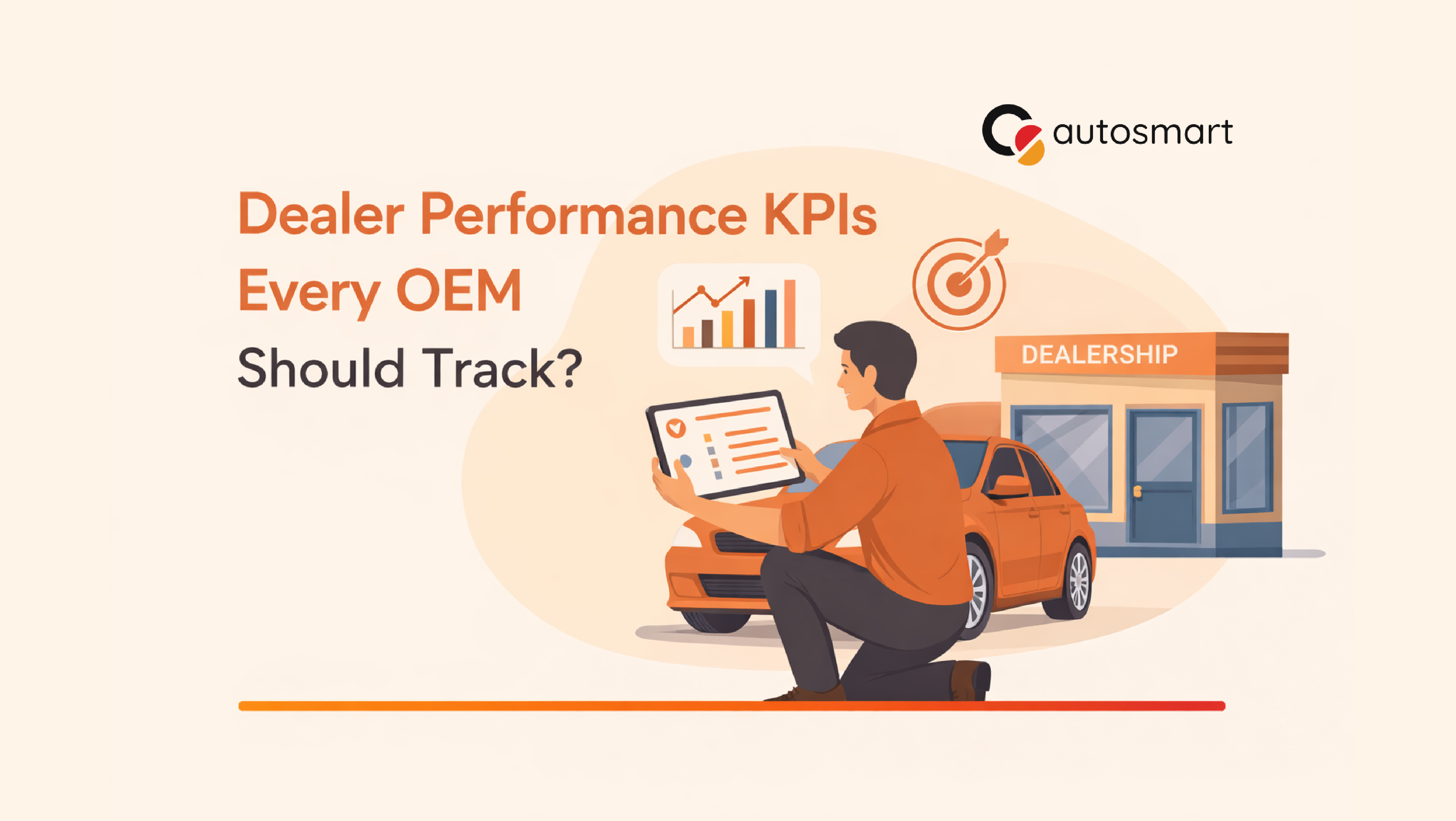
The automotive landscape is evolving rapidly, and Original Equipment Manufacturers) OEMs rely heavily on their dealership networks to act as the primary face of the brand. To ensure long-term success and profitability, OEMs cannot simply hope that local branches are meeting corporate standards. They need data. By establishing a concrete system for tracking dealer performance metrics, manufacturers gain invaluable insights into the operational health of their entire network. This approach allows headquarters to identify top-performing locations, address operational bottlenecks, and maintain a consistent customer experience worldwide. Understanding which numbers truly matter is the first step toward building a highly resilient and profitable retail network.
Critical Areas for Measuring Dealer Performance
Managing a high-performing network requires looking beyond just the total number of cars sold. To truly understand a franchise’s health, OEMs must focus on the following core sub-sections.
Sales Operations and Inventory Flow
The sales floor is the most visible aspect of any automotive franchise and acts as the primary driver of market penetration.
- Inventory Turnover Rate. OEMs must closely watch how quickly a location moves cars off the lot because a slow turnover rate often points to pricing issues or ineffective local marketing.
- Sales Effectiveness. This metric compares actual local market share against the expected targets set by the corporate office.
- Goal Standardisation. By integrating comprehensive dealership KPIs into their daily oversight, manufacturers can clearly see which branches are driving revenue and which ones are lagging.
- Strategic Frameworks. Setting these goals requires a structured approach so every franchisee understands expectations. Many OEMs rely on a standard Dealer Excellence Program OEM Framework to establish these operational targets.
Service Department and After-Sales Profitability
While the showroom generates the initial buzz, the service department is the engine of long-term profitability and customer retention.
- Service Absorption Rates. This figure measures how much of the fixed daily operating costs are covered by the gross profit generated solely from parts and service.
- Financial Stability. A high absorption rate indicates the location is financially stable even during seasonal slumps in new-vehicle sales.
- Technical Proficiency. Monitoring first-time fix rates and average repair order values helps headquarters understand the skill level of the local staff.
- Accuracy in the Bays. Gathering accurate dealer performance metrics ensures that warranty claims are handled correctly and efficiently while keeping the customer journey seamless.
Brand Representation and Customer Experience
Financial numbers only tell half the story because brand loyalty is built on how a customer feels during their interaction.
- Customer Satisfaction Index. This index is a vital tool to gauge how well local staff members treat buyers and service patrons.
- Facility Standards. Showroom cleanliness and staff compliance with uniform guidelines are crucial dealership performance indicators that manufacturers cannot ignore.
- Universal Quality. A customer expects the same premium environment regardless of the dealership’s location.
- Modern Oversight. Using dealer audit management software enables corporate teams to quickly assess whether a location is meeting the brand’s strict visual expectations.
Financial Health and Operational Efficiency
A location’s ability to withstand economic downturns depends on its behind-the-scenes financial stability.
- Return on Sales. This helps OEMs understand how efficiently a dealership converts its gross revenue into actual profit.
- Capital Management. Corporate teams monitor working capital and inventory ageing to ensure franchisees are not tying up too much cash in obsolete parts or unsellable models.
- Risk Mitigation. Effective dealer performance management requires a deep dive into these financial ratios to predict future success and prevent branch closures.
- Proactive Support. By closely monitoring these dealer performance metrics, OEMs can offer targeted support and specialised training before individual issues damage the network’s reputation.
- Scalable Systems. Implementing professional audit management software ensures these financial and operational data points are collected accurately across the entire network.
How Autosmart Revolutionises Data Collection and Performance Management?
Collecting complex data from hundreds of independent franchise owners is historically a massive challenge because relying on manual spreadsheets and paper forms leads to human error and outdated information. Autosmart solves these issues through several key technological advantages.
- Centralised Digital Platforms. Forward-thinking OEMs use Autosmart to replace decentralised email threads with a single and unified source of truth.
- Real-Time Visual Dashboards. The cloud-based system automatically aggregates field data to provide executive teams with highly visual and instantaneous insights.
- Verified and Actionable Data. This technological shift ensures that all dealer performance metrics are accurate and visible so that headquarters can take immediate action on localised issues.
- Proactive Strategic Decisions. When corporate managers have instant access to verified data, they can make proactive decisions rather than simply reacting to outdated monthly reports.
- Unified Data Streams. Implementing a comprehensive audit management software is the most effective way to unify varied data streams and create a lasting culture of continuous improvement.
- Resilient Franchise Networks. This approach modernises dealer performance management across the entire global network while ensuring every location remains aligned with corporate goals.
Drive Global Network Profitability and Excellence with AutoSmart Audit
Optimising a global retail network requires much more than just excellent vehicle design and clever marketing campaigns. It requires a relentless commitment to operational excellence at the local community level.
By closely tracking inventory turnover, service absorption, customer satisfaction, and overall financial health, manufacturers can build a highly resilient, deeply profitable franchise network. Utilising AutoSmart Audit ensures this critical data is always accurate and available at your fingertips. Ultimately, consistently measuring and acting upon these core dealer performance metrics is the essential key to driving profitability, ensuring strict corporate compliance, and delivering a world-class retail experience to every single automotive consumer.
FAQs
What are the most important KPIs used to measure dealership performance?
The most important indicators include inventory turnover, service absorption rate, customer satisfaction index, and overall sales effectiveness.
How do OEMs monitor dealer performance across multiple locations?
Manufacturers use centralised digital dashboards and automated auditing platforms to aggregate real-time data from all their franchised locations.
Why is tracking dealership performance indicators important for OEMs?
Tracking this data ensures consistent brand representation, identifies operational inefficiencies, and helps maintain long-term network profitability.
What software tools help manage dealership performance metrics?
Cloud-based audit management platforms and specialised dealer evaluation software provide the tools to effectively track and analyse field data.

Naseef Umar is the Founder & CEO of AutoSmart Technology, a SaaS platform digitizing audits for OEMs, distributors, and dealer networks. With prior experience at Toyota (Abdul Latif Jameel) and a background in IT and Industrial Management, he writes about audits, operational discipline, and building SaaS products for enterprise customers across markets.