Many OEM dealer networks are still unprepared for large-scale EV adoption. A dealership may already sell electric vehicles, but that does not always mean its workshop teams, charging setup, technician training, or safety processes are ready for daily EV servicing. These operational gaps often lead to delayed repairs, failed compliance checks, customer dissatisfaction, and inconsistent aftersales performance across dealer locations.
For OEM network managers and aftersales leaders, conducting an EV readiness audit is now necessary to maintain dealership standards and customer trust. As EV demand continues to increase, manufacturers need a structured way to evaluate dealer preparedness across infrastructure, technical capability, safety compliance, digital reporting, and customer experience.
This article explains the key areas OEMs should assess during a dealer EV readiness assessment, the risks of relying on manual audits, and how digital audit systems support better network-wide visibility and compliance tracking.
Why Is EV Readiness Becoming a Priority for OEM Networks?
EV adoption is growing faster than many dealership operations can support. While OEMs continue investing in EV product development, dealer readiness often varies between locations. Some dealerships have already upgraded their workshop capabilities, while others still operate with processes designed mainly for ICE vehicles.
Without a structured audit framework, OEMs struggle to answer important operational questions:
- Which dealerships can safely service EVs?
- Are all technicians trained for high-voltage systems?
- Do dealers follow consistent EV service standards?
- Which locations require urgent corrective action?
When these gaps remain unresolved, they affect workshop safety, customer satisfaction, warranty performance, and brand consistency across the network.
For OEMs looking to improve dealership standardisation, the blog on Dealer Operating Standards (DOS) Audit Guide for OEMs explains how structured evaluations improve operational consistency.
What Should OEMs Include in an EV Readiness Audit?
An effective EV readiness audit should assess both operational capability and long-term compliance readiness. OEMs need a consistent framework that allows every dealership to be evaluated using the same standards.
The audit process should cover infrastructure, technician capability, workshop safety, customer experience, digital reporting, and corrective action management.
How Should Dealers Be Assessed for EV Infrastructure?
Physical infrastructure is one of the first indicators of EV readiness. Dealers require the right workshop setup to safely receive, diagnose, and service electric vehicles.
An EV infrastructure audit should evaluate:
- Dedicated EV service bays
- OEM-approved charging stations
- Electrical load capacity
- Battery handling zones
- High-voltage safety tools
- Fire response systems
- Lockout and isolation procedures
Many dealerships install customer-facing chargers but overlook backend workshop readiness required for actual EV servicing operations.
Why Does Technician Training Matter in EV Readiness?
EV servicing requires specialised technical knowledge that differs from conventional vehicle maintenance.
OEMs should verify:
- EV technician certifications
- High-voltage handling training
- Battery diagnostic competency
- EV troubleshooting capability
- Workshop safety awareness
- Refresher training records
Training gaps can result in incorrect diagnostics, delayed repairs, and workshop safety incidents. Regular audits help OEMs identify dealerships that require additional technical support or retraining.
How Can OEMs Audit EV Workshop Safety Compliance?
Safety compliance remains one of the highest-risk areas in EV operations. Workshops handling high-voltage systems must follow strict procedures to reduce operational and legal risks.
An EV safety compliance audit should review:
- Thermal incident response plans
- PPE availability
- Battery isolation procedures
- Emergency escalation workflows
- Hazard signage
- EV waste disposal compliance
- Regulatory documentation
These evaluations help OEMs maintain consistent workshop safety standards across all dealer locations.
What Customer Experience Standards Should EV Dealers Follow?
Customer confidence in EV ownership depends heavily on dealership experience during both sales and aftersales interactions.
OEMs should assess whether dealerships can support customers through:
- EV product demonstrations
- Structured EV test drives
- Charging education
- Ownership cost guidance
- Battery warranty explanations
- Home charging consultation
- Vehicle handover processes
When dealership teams cannot confidently answer EV-related questions, customer trust and purchase confidence decline quickly.
For dealership improvement strategies, the article on How Dealer Audits Drive Automotive Dealership Performance explains how audit programmes help improve operational consistency.
Why Is Digital Readiness Important for EV Dealer Audits?
EV operations generate larger volumes of service and diagnostic data compared to traditional vehicles. OEMs need real-time visibility into dealership performance to manage operations effectively.
An EV digital readiness assessment should include:
- EV-specific DMS reporting
- OTA update tracking
- Battery service records
- Charging station monitoring
- EV repair turnaround metrics
- Warranty claim management
- Service campaign tracking
Without centralised reporting systems, OEMs struggle to benchmark dealer performance or identify recurring operational issues across regions.
How Should OEMs Track Corrective Actions After EV Audits?
Many dealer audits fail to create long-term improvement because audit findings are recorded but not properly monitored afterward.
OEMs should track:
- Open non-compliance issues
- Corrective action ownership
- Completion deadlines
- Evidence submissions
- Repeat audit failures
- Regional performance trends
A structured corrective action process helps dealerships improve continuously instead of treating audits as isolated inspections.
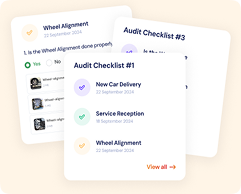
This is where platforms like AutoSmart Audit help OEMs maintain better visibility into dealer compliance, action tracking, and audit standardisation across multiple locations.
For related insight, the guide on How a Mobile Audit App Cuts Audit Time for Dealer Networks explains how mobile-based audits improve reporting speed and follow-up management.
Why Are Paper-Based EV Audits Becoming Less Effective?
Many OEM networks still rely on paper-based inspections to evaluate dealerships. These methods become difficult to manage across larger dealer networks.
Manual audit processes often create:
- Delayed reporting cycles
- Inconsistent scoring methods
- Missing evidence documentation
- Limited performance visibility
- Poor corrective action follow-up
- Difficult regional benchmarking
As EV operations grow more complex, OEMs need standardised and real-time audit reporting to maintain consistency across dealer locations.
Digital audit systems help solve these issues through:
- Standardised EV audit templates
- Mobile evidence capture
- Real-time scoring
- Centralised dashboards
- Automated action tracking
- Dealer benchmarking reports
This gives OEMs a more reliable process for evaluating EV readiness across their dealer network.
How Can OEMs Build a Consistent EV Audit Process?
A successful EV readiness programme requires more than a checklist. OEMs need a repeatable audit structure that works consistently across every dealership location and region.
An effective EV audit process usually includes:
- Standard EV audit criteria
- Auditor training programmes
- Mobile audit execution
- Photo and video evidence collection
- Automated scoring models
- Corrective action workflows
- Regional performance reporting
- Follow-up verification audits
When every dealership follows the same audit standards, OEMs gain stronger operational control, better compliance visibility, and more consistent customer experiences across the network.
Conclusion
EV adoption is increasing faster than many dealership operations can support. While OEMs continue expanding their EV product range, dealer readiness remains one of the biggest factors affecting workshop safety, aftersales quality, and customer satisfaction.
A structured EV readiness audit helps manufacturers identify operational gaps before they affect service performance or brand reputation. By evaluating infrastructure, technician capability, compliance, customer experience, and digital reporting together, OEMs can maintain stronger dealership standards across their networks.
Dealer groups that continue relying on manual inspections and disconnected reporting processes may struggle to maintain consistency as EV volumes increase. Standardised digital audit systems provide clearer visibility into dealer performance and help OEMs manage corrective actions more effectively across every location.
Download the EV-Readiness Dealer Audit Checklist
A 40-criterion, 100-point field evaluation framework built for OEM aftersales teams, covering all six readiness pillars, with a maturity banding model and built-in action plan tracker.

Naseef Umar is the Founder & CEO of AutoSmart Technology, a SaaS platform digitizing audits for OEMs, distributors, and dealer networks. With prior experience at Toyota (Abdul Latif Jameel) and a background in IT and Industrial Management, he writes about audits, operational discipline, and building SaaS products for enterprise customers across markets.