Every body shop that handles insurance work knows one thing: the claim process body shop teams deal with is rarely simple. From the first call after an accident to the moment the customer picks up their vehicle, insurers have a direct say in how repairs are written, approved, and paid. That influence can affect labor rates, parts selection, cycle time, and even repair quality.
For shops, the challenge is making sure every decision holds up under insurer scrutiny while still protecting profitability and customer trust. This is where a structured approach to audit repair compliance becomes essential. AutoSmart Audit is designed for this exact need, giving shops clarity and control across every claim-driven repair.
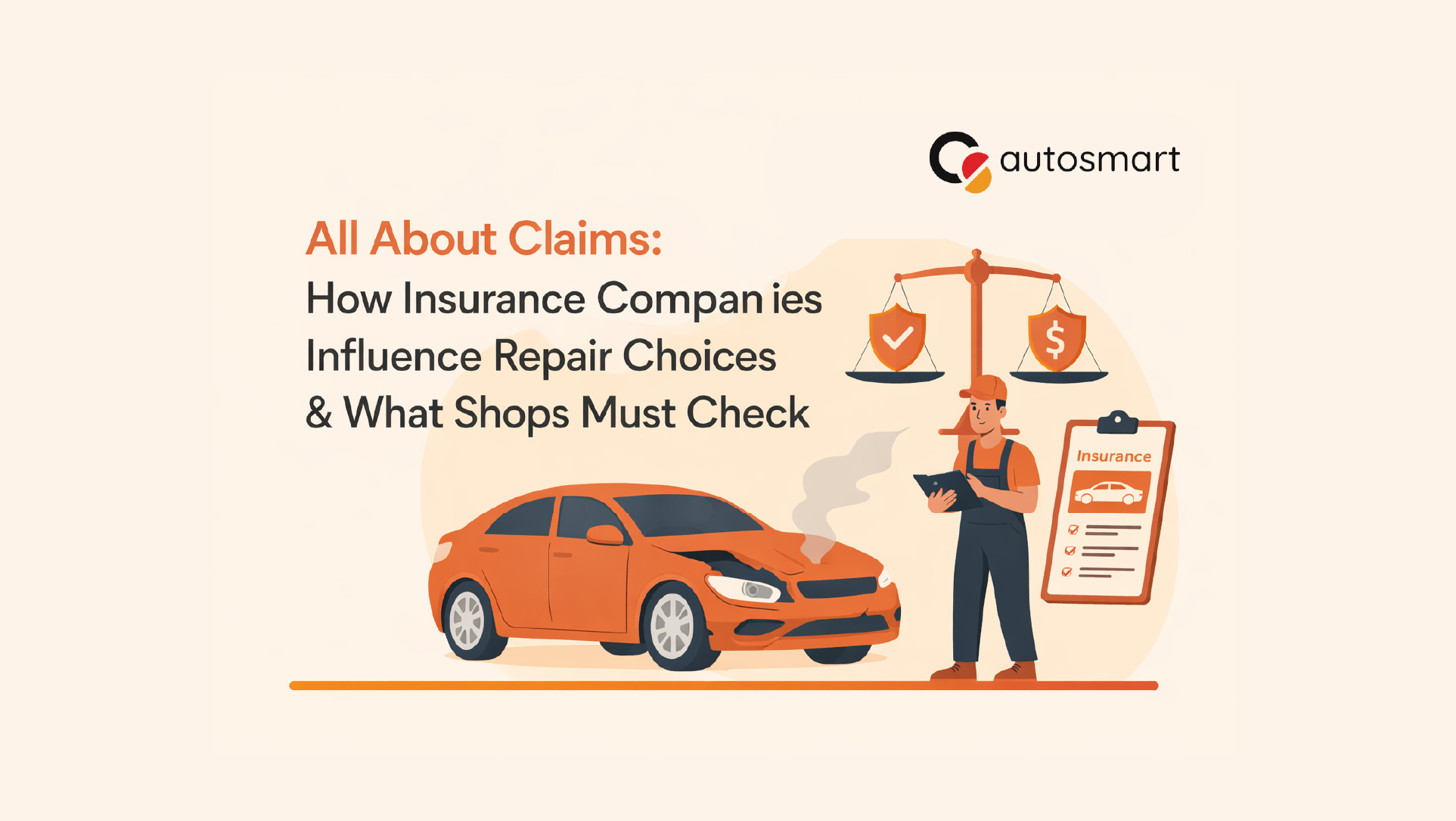
How Insurance Claims Shape Repair Decisions
Insurance companies set the framework for how claim-based repairs move forward. While shops perform the hands-on work, insurers often control the rules that guide it. These rules may not always align with what is best for long-term vehicle safety or shop margins.
Common areas where insurers influence repair choices include:
- Estimate approvals and revisions
- Labor rate caps and operation allowances
- OEM versus aftermarket or recycled parts
- Repair versus replace decisions
Without a system to track and validate these decisions, shops risk missing billable items or accepting adjustments that quietly reduce revenue.
Step-by-Step Look at the Claim Process
Understanding each phase of the claim process body shop teams handle helps identify where errors or lost revenue often occur.
Damage Reporting and Claim Setup
The process starts when a customer reports an accident to their insurer. The insurer collects basic details and opens the claim. If the shop is part of a direct repair program, the assignment may be automatic. Otherwise, the customer selects the repair facility.
Vehicle Inspection and Estimate Writing
Next comes the inspection. Photos are taken, damage is documented, and an estimate is created. This estimate sets the tone for the entire repair.
Insurers may respond by approving the estimate, requesting changes, or applying their own guidelines. This is where insurer-estimate review becomes critical. Missed line items, unclear notes, or non-standard operations can lead to reductions or rejections.
Repair Authorization
No work begins until authorization is granted. Insurers may include parts sourcing instructions or limits on certain procedures. Shops that move forward without clear approval risk non-payment.
This stage is a frequent source of frustration, especially when approval timelines stretch longer than promised to customers.
Repair Execution
During repairs, supplements are common as hidden damage appears. Each supplement must be justified, documented, and approved. Without proper tracking, supplements can pile up, increasing cycle time and upsetting both customers and insurers.
Final Inspection and Delivery
Before delivery, insurers may conduct a final review or request additional documentation. Any missing photos, mismatched operations, or quality concerns can delay payment even after the vehicle is repaired.
Where Repair Audits Make a Difference
A repair audit is not an afterthought. It should run alongside the claim from start to finish. AutoSmart Audit supports shops by reviewing each stage against insurer expectations and repair standards.
Key areas where audits protect shops include:
- Documentation accuracy: Photos, notes, and damage descriptions must clearly support every operation.
- Estimate compliance: Labor rates, refinish times, and parts choices need to align with insurer guidelines while still reflecting actual repair needs.
- Procedure validation: OEM repair procedures must be followed and documented, especially as vehicles become more complex.
- Timeline monitoring: Promised delivery dates should match real repair progress to avoid customer complaints and insurer escalation.
This structured review helps shops stay organized rather than reactive.
Insurance Coverage Audits and Missed Revenue
Many shops focus on getting approval but overlook whether the approved estimate truly covers the full scope of the repair. An insurance coverage audit reviews what the policy allows versus what was actually written and paid.
Common issues uncovered include:
- Overlooked calibrations or scans
- Underpaid refinish or material operations
- Unapproved but necessary safety procedures
- Labor overlaps removed without proper review
AutoSmart Audit helps shops flag these gaps early, giving them the chance to address them before final billing.
Why Multi-Location Operations Face Higher Risk
Dealer groups and MSOs face added pressure. With multiple locations, inconsistency becomes a serious problem. One shop may follow insurer guidelines closely while another misses documentation steps entirely.
Without standardized audit repair compliance across all locations, risks include:
- Uneven repair quality
- Increased supplement frequency
- Negative insurer feedback at the group level
- Lower customer satisfaction scores
AutoSmart Audit provides a consistent framework so every location follows the same review process, regardless of volume or staff experience.
Building Better Insurer Relationships
Shops often assume audits are only about protecting revenue. They also strengthen insurer relationships. Clear documentation, compliant estimates, and predictable timelines reduce friction for adjusters.
When insurers see fewer errors and fewer disputes, trust improves. That trust can lead to smoother approvals and fewer rechecks: benefits that directly impact shop efficiency.
What Shops Must Check on Every Claim
To stay protected, shops should verify the following on every insurance repair:
- Does the estimate fully reflect visible and expected damage?
- Are photos and notes detailed enough to support all operations?
- Do parts selections meet both insurer rules and vehicle requirements?
- Are OEM procedures documented where required?
- Is the repair timeline realistic and communicated clearly?
Conclusion
Insurance companies influence nearly every part of a claim-based repair, from the first estimate to final payment. Without oversight, shops risk lost revenue, delayed payments, and strained customer relationships.
By reviewing the claim process end to end and applying structured audits, shops gain clarity and control. AutoSmart Audit supports body shops and dealer groups by tracking claims, reviewing insurer-estimate decisions, and identifying process gaps before they turn into costly problems.
For shops that want consistent results and better compliance, auditing claims is no longer optional, it is part of doing the job right.