Audits are meant to bring clarity, control, and accountability. But when the audit process itself is slow or fragmented, the value of the audit is reduced. This is still common in organizations that rely on paper based audit systems.
Files are printed, filled, scanned, and stored. Information is written more than once. Reviews are delayed because documents are spread across locations. Over time, audits become harder to manage and more prone to error.
This is why many organizations are moving toward a paperless audit approach. Not as a trend, but as a practical response to operational challenges.
A paperless auditing solution removes paper-based systems. It replaces manual tasks with automated processes. This change boosts consistency and control.
What Is a Paperless Audit?
A paperless audit uses digital tools. It helps with planning, execution, evidence collection, reviewing, and reporting. Audit data is now captured and stored in software instead of on paper. This change makes it easier to track, review, and manage audits.
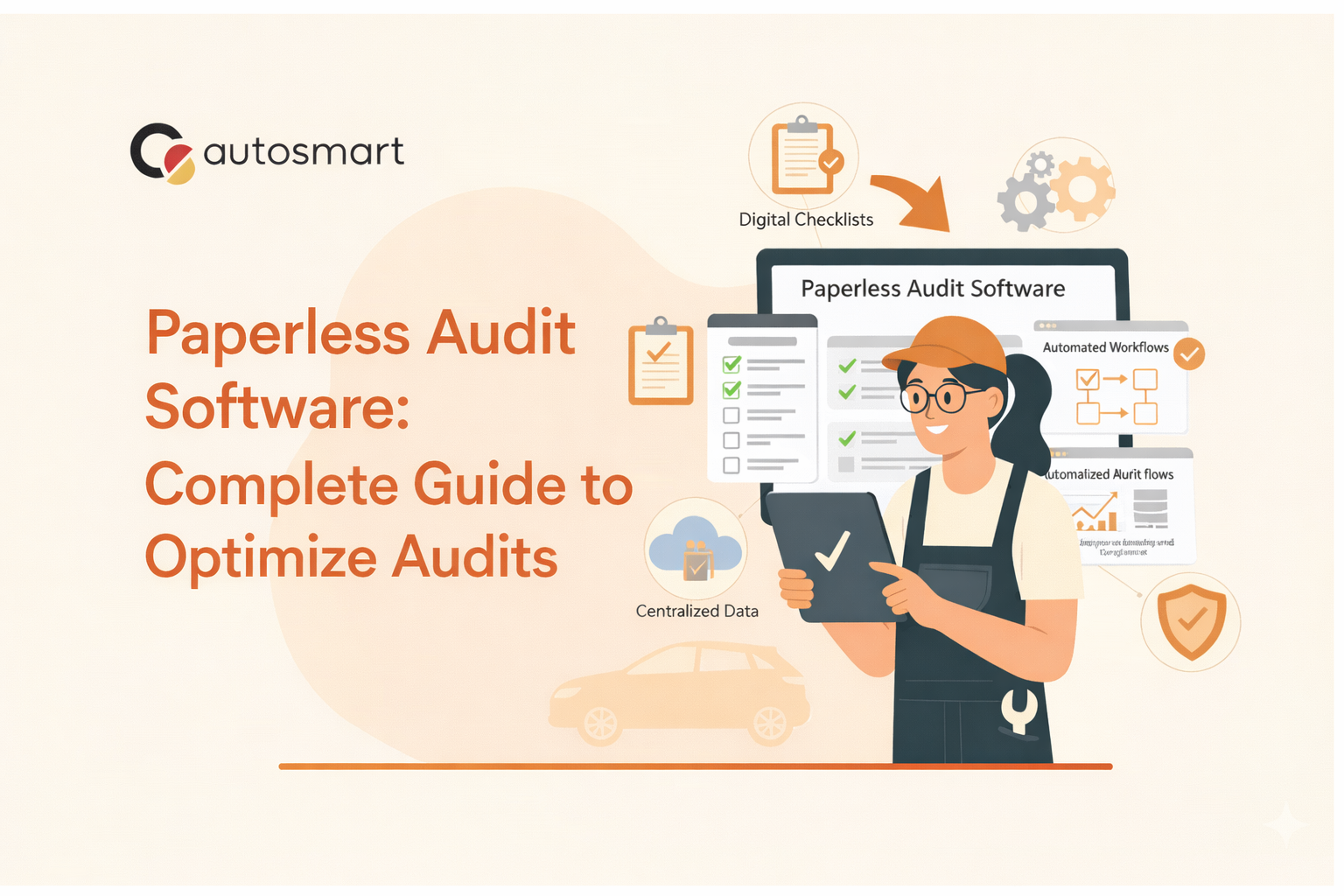
In a paperless audit, auditors use digital checklists and workflows. Findings, observations, and evidence are recorded directly in the system. All audit related information stays in one place.
The primary goal of a paperless audit is simple. Cut down manual work, boost data accuracy, and make audit info easy to find when you need it.
Why Paper Based Audit Systems Create Problems
Paper-based audit systems rely heavily on manual processes. They may be fine for small volumes, but they get inefficient as audit needs grow.
Common problems include:
- Time spent rewriting and transferring information
- Limited visibility into audit progress
- Missing or incomplete documentation
- Errors caused by manual data entry
- Delays in approvals and reporting
- Difficulty retrieving historical audit records
These issues affect both audit quality and compliance. This is why many organizations decide to drop paper based audit systems completely.
How Paperless Audit Software Works
Paperless audit software manages audits through digital workflows. Audit tasks assign themselves without manual intervention. Findings and evidence are recorded directly in the system. Then, reports are generated from the collected data. This reduces manual effort and supports automated audit processes.
Audit plans are created inside the system. Auditors complete audits using digital forms. Evidence such as documents, photos, or notes is linked to specific audit points. Reviewers can see progress in real time without waiting for physical files.
Once the audit is completed, reports are generated using the captured data. This ensures consistency and reduces manual report preparation.
Automated Audit Processes Explained
Automated audit processes are often misunderstood. They are not meant to replace auditors or decision making. They exist to reduce administrative work.
In a paperless auditing solution, automation often takes charge of:
- Task assignment and sequencing
- Notifications for pending actions
- Workflow movement from execution to review
- Audit status tracking and closure
By automating these steps, audits move forward without constant manual follow ups. This makes it easier to manage audits, especially when several are happening at once.
Key Benefits of a Paperless Audit
A paperless audit boosts efficiency. It cuts manual errors. Plus, it makes tracking progress easier. It helps organizations get rid of paper-based audit systems. This way, they can keep clear audit trails and finish audits faster with more accurate data.
Other practical benefits include:
- Faster audit cycles due to automated workflows
- Better control over audit responsibilities
- Centralized access to audit records
- Improved consistency across audits
Organizations save money by using less paper. They also need less storage and do less admin work.
Centralized Audit Data and Better Control
In paper based audits, information is often scattered across files, folders, and emails. This makes audits harder to review and increases the risk of missing information.
Paperless audit software stores all audit related data in one centralized system. Teams work from the same data without version conflicts or duplication.
This centralised approach improves audit consistency. It also makes reviews easier. This applies to both internal and external audits.
Paperless Auditing and Compliance
Compliance depends on documentation, traceability, and accuracy. Paper-based audit systems complicate things. Records can be lost, damaged, or incomplete.
A paperless auditing solution maintains a detailed audit trail. Every action is recorded, including who completed it and when it was completed.
This traceability helps organizations show they follow the rules. They use digital records for inspections and reviews.
Where Paperless Audits Are Commonly Used
Paperless audit software is used across industries where regular audits are required.
This includes automotive businesses, manufacturing, logistics, healthcare, financial services, and retail operations.
Any organization that does internal, operational, or compliance audits can gain from using automated audit processes. This helps make audits easier and more efficient.
Moving From Paper Based Audits to Paperless Audits
Transitioning to a paperless audit system is not necessarily about making major changes. Most organizations begin the process by implementing the paperless audit solution for one type of audit or one location.
This is possible since the process is gradual. It is worth noting that the aim is not to eliminate paper but to enhance the audit process.
Long Term Value of a Paperless Auditing Solution
In the long term, the advantages of the paperless audit system are more visible. For instance, the audit process is faster, the quality of data is better, and the time spent is less.
Implementing the use of automated audits and eliminating the use of paper audit systems is advantageous to the organization. This is because the organization become better organized.
How AutoSmart Supports Paperless Audits
AutoSmart supports paperless audits by providing a structured platform for managing audits digitally. It helps organisations move from paper-based audit systems. This keeps audit processes consistent.
AutoSmart automates audits. It assigns tasks, tracks progress, and creates reports. Audit data is stored in one place. This makes it easier to review, analyse, and keep compliance records.
AutoSmart offers a smart way for organizations to adopt paperless audits. This solution helps manage audits efficiently, all without disturbing current practices.