
Insurance carriers rely on body shops to act as the final touchpoint in the claims process. The repair experience shapes how policyholders judge the insurer’s reliability, fairness, and professionalism. When repairs are delayed, poorly executed, or misaligned with policy terms, dissatisfaction rarely falls on the shop alone, it reflects directly on the insurer.
Many insurers operate Direct Repair Programs (DRPs) or preferred repair networks with dozens or even hundreds of body shops. While these partnerships are essential for managing volume and customer convenience, they also introduce risk. Not every shop maintains the same standards for workmanship, documentation, parts usage, or billing accuracy. Without structured oversight, insurers may unknowingly absorb higher claim costs, safety exposure, and reputational damage.
This is where insurer-led body shop audits become essential. A consistent, data-backed audit process allows insurers to evaluate repair partners objectively, enforce accountability, and protect both policyholders and their own brand.
Why Insurers Must Audit Repair Partners
Quality Assurance and Repair Integrity
The main purpose of any repair is to restore a vehicle to a safe, roadworthy condition. Audits allow insurers to verify that body shops follow OEM repair procedures, use proper tools, and apply correct repair techniques. Inadequate repairs can compromise vehicle safety, increase liability exposure, and lead to repeat claims.
A body shop performance audit helps insurers confirm that structural repairs, refinishing, calibrations, and safety system resets meet documented standards. This level of oversight reduces variability across the repair network and promotes consistent outcomes for policyholders.
Cost Control and Billing Accuracy
Claims costs can escalate when estimates include unnecessary labor operations, inflated part prices, or unsupported supplements. Without audits, these issues may go unnoticed across a large repair network.
An insurer audit of body shops reviews estimate accuracy, supplement patterns, and labor line items to identify inconsistencies or red flags. By comparing shops against benchmarks and peer averages, insurers gain visibility into where costs drift beyond acceptable ranges. This protects loss ratios while maintaining fairness for compliant repair partners.
Cycle Time and Claims Efficiency
Repair delays frustrate customers and increase rental expenses. Cycle time is often influenced by shop scheduling, parts sourcing practices, and repair planning quality. Audits help insurers measure how long shops take to complete repairs compared to network standards.
When cycle time data is reviewed alongside repair volume and complexity, insurers can identify operational bottlenecks. Addressing these issues leads to faster claim resolution and improved customer satisfaction without pressuring shops to cut corners.
Parts Usage and Policy Compliance
Many insurance policies specify when OEM, aftermarket, or recycled parts may be used. Auditing repair partners ensures that parts selection aligns with policy terms and insurer guidelines.
A DRP audit reviews documentation supporting parts decisions, pricing consistency, and disclosure practices. This protects insurers from disputes while ensuring transparency for policyholders. It also reinforces fair competition among repair partners by holding all shops to the same expectations.
Customer Experience and Satisfaction
Post-repair feedback offers valuable insight into shop performance beyond technical metrics. Audits that incorporate customer satisfaction scores, complaint trends, and rework frequency provide a more complete picture of partner quality.
When insurers connect audit findings with customer feedback, they can identify shops that consistently deliver positive experiences and those that place policyholder trust at risk. This insight supports better network decisions and service improvements.
Key Metrics to Include in an Insurer Body Shop Audit
A meaningful repair partner evaluation relies on measurable, repeatable criteria. Effective audits typically include the following metrics:
Estimate Accuracy Rate
The percentage of initial estimates approved without revision. Low accuracy may indicate poor damage assessment or intentional underestimation to secure work.
Supplement Frequency
How often additional damage is added after repairs begin. While some supplements are legitimate, excessive frequency increases costs and delays.
Repair Cycle Time
The number of days from repair authorization to completion. Comparing this across shops highlights operational efficiency gaps.
Rework Incidence
The percentage of repairs requiring correction due to quality issues. Rework drives customer dissatisfaction and adds expense.
Policy Adherence
Compliance with insurer guidelines related to labor operations, documentation, parts usage, and repair methods.
Tracking these metrics over time allows insurers to move beyond feedback and manage repair networks using objective data.
The Role of Technology in DRP Audits
Manual audits are time-consuming and often inconsistent. Modern audit platforms centralize data, standardize evaluation criteria, and compare repair partners at scale.
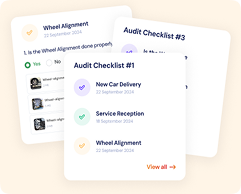
AutoSmart Audit provides insurers with a structured approach to body shop performance audits. By capturing repair data, estimate details, and compliance indicators in one system, insurers gain a clear view of how each partner performs against expectations. This supports informed decision-making without disrupting daily claims operations.
Technology-driven audits also create a documented record of performance trends. This is valuable when addressing disputes or responding to regulatory inquiries.
Benefits of Regular Repair Partner Audits for Insurers
Reduced Claim Leakage
Identifying billing inconsistencies, excessive supplements, or inefficient processes helps insurers control avoidable costs.
Stronger Repair Networks
Audits highlight high-performing shops worthy of continued partnership while revealing underperformers that require corrective action or removal.
Brand Protection
Consistent repair quality across the network reinforces the insurer’s service promise and builds long-term customer trust.
Risk Mitigation
Verifying repair quality and compliance reduces exposure to safety claims, complaints, and legal disputes.
Conclusion: Audits as a Standard, Not an Exception
An insurer’s repair network is an extension of its brand. Every vehicle returned to a policyholder reflects the insurer’s commitment to safety, fairness, and service quality. Without regular audits, insurers place that reputation in the hands of unchecked variability.
Insurer audits of body shops bring clarity, accountability, and consistency to repair partner management. By evaluating quality, cost, efficiency, and compliance through structured audits, insurers protect their financial performance and strengthen customer confidence.
AutoSmart Audit supports insurers in building audit programs that are practical, consistent, and data-driven. By turning repair partner evaluation into a routine process, insurers can maintain high standards across their networks while fostering stronger, more transparent partnerships with body shops.