Every Toyota dealership hits a moment: Toyota schedules a TSM audit. Service advisors suddenly search through training binders. Technicians tidy up tool bays. Managers worry over CSI scores from six months ago. Sound familiar?
Toyota Service Management (TSM) audits are not designed to trip you up. They are structured evaluations of your after-sales operation against Toyota’s global standards. Dealerships with Bronze, Silver, Gold, and Platinum TSM certification don’t have endless budgets. Instead, they see Toyota TSM compliance as a regular part of their operations, not just something to worry about before an audit.
This dealership playbook helps service managers, operations directors, and dealer principals. It provides a clear guide for Toyota TSM audit prep. You’ll learn how to avoid compliance traps that trip up many locations. Plus, it shows you how to create systems that keep you audit-ready all year round.
What Toyota TSM Auditors Actually Measure (And How They Score)
Toyota TSM field evaluations follow a predictable structure. Auditors score against measurable criteria across five core pillars:
1. Facility and Workshop Standards
Auditors walk your shop floor with a 5S lens, Sort, Set in Order, Shine, Standardise, Sustain. This evaluation is part of a broader framework through which OEMs assess dealership infrastructure and facilities before and during certification cycles.
They check how tools are organised, if the bays are tidy, and whether safety compliance is visible. They also look at customer waiting areas and ensure that process signage meets Toyota brand standards. A single consistently messy bay can cost significant points. Auditors typically sample multiple bays, so there is nowhere to hide.
2. Technician Certification and Competency
Every technician doing Toyota work must have current certification for their tasks. Auditors take recent work order samples and compare them to your certification matrix. They check training logs for completion dates and signatures. They also make sure that new hires aren’t working without certification. A junior technician completing senior-level diagnostics, even informally, is an immediate deduction.
3. Customer Process Compliance
TSM lives in the customer journey. Auditors check if service write-ups use the right Toyota template. They also see if Vehicle Health Checks (VHC) are shown to every customer, not just completed. Finally, they ensure the delivery process and follow-up calls are documented and consistent. A VHC completed but not presented to the vehicle owner earns zero credit.
4. Parts and Warranty Operations
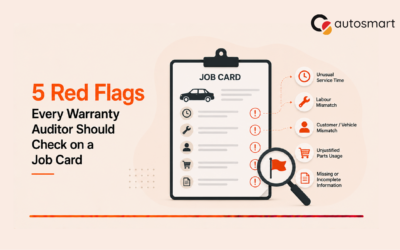
Genuine parts usage and warranty documentation accuracy both fall under TSM scrutiny. Auditors check warranty files to ensure all documents are complete. They also verify parts storage practices and compare work orders with parts issued. Missing technician sign-off on warranty parts use is a common scoring gap in dealership networks.
5. Customer Satisfaction Index (CSI)
Toyota pulls your CSI data directly from its own customer feedback system. Strong physical standards don’t matter if feedback on wait times, communication, or follow-through is negative. Also, if response rates drop below Toyota’s regional benchmarks, it’s a concern.
If you need a primer on what Toyota TSM is and how it operates globally, our full TSM overview covers the programme in depth. This guide focuses on audit preparation specifically.
The 7 Most Common Toyota TSM Audit Failure Points
These gaps appear repeatedly across dealerships that fall short of top-tier certification:
| Failure Point | Why It Hurts | Timeline |
| Expired technician certifications | Mismatched skills create compliance and safety risk | 30 days |
| VHC completion without presentation | Breaks the customer process chain entirely | 7 days |
| 5S workshop drift between audits | Creates poor first impression the moment auditor arrives | Daily habit |
| Warranty documentation gaps | Raises questions about the entire operation’s reliability | 14 days |
| No live training matrix | Inability to prove competency on demand | 21 days |
| Negative CSI trends | Undermines strong facility and process scores | 60 days |
| Reactive-only audit preparation | Exposes systemic gaps at the worst possible time | Cultural shift |
12-Month Toyota TSM Readiness Roadmap
Platinum-level dealerships never scramble before an audit. They execute a consistent annual cycle:
Months 1–3: Build Your Foundation
- Create a live technician certification matrix with expiry dates visible to management at all times
- Document all customer-facing SOPs: write-up, VHC delivery, vehicle handover, and follow-up call scripts
- Assign bay ownership with daily 5S accountability built into shift routines
- Run your first internal mock TSM audit and prioritise any area scoring below 70%
Months 4–6: Embed the Habits
- Hold weekly 15-minute manager huddles with one TSM pillar as the focus each week
- Conduct monthly role-play assessments on VHC presentation with service advisors
- Run a quarterly CSI deep-dive and action the top three recurring pain points
- Complete a second internal mock audit targeting 80% or above
Months 7–9: Stress Test Your Systems
- Cross-train technicians to cover any certification coverage gaps in your matrix
- Walk the full customer journey from the car park to vehicle collection, scoring it as an auditor would
- Pull 20 random warranty files and score their documentation completeness
- Complete a third mock audit targeting 90% or above
Months 10–12: Polish and Prove
- Run a full-facility mock audit, ideally with an external reviewer for objectivity
- Contact every customer from the previous 90 days and log responses
- Document every operational improvement made during the year with before-and-after evidence
- Drill the complete delivery process with the full service team
Why Digital Tools Are Changing Toyota TSM Compliance
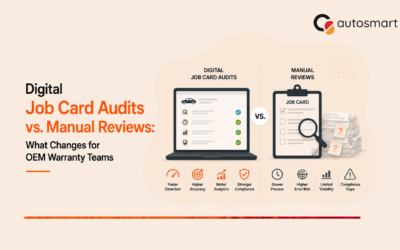
Manual tasks like clipboards, spreadsheets, and email follow-ups lead to gaps in documentation. These gaps can cost dealerships TSM points. The shift to digital audit management tools has changed how leading dealerships operate year-round.
The manual approach typically looks like this:
- Checklists stored on paper or in local folders no one can find
- Email chains about corrective actions that go unanswered for weeks
- Managers manually tallying scores with no trend visibility
- Regional Toyota representatives with no visibility until they visit
With a digital TSM audit platform like AutoSmart Audit:
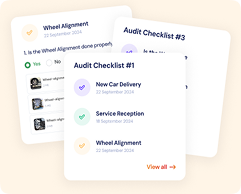
- TSM-aligned checklists run from any tablet or mobile device
- Corrective actions are assigned automatically with deadlines and ownership
- Real-time dashboards show pillar-by-pillar performance at a glance
- Trend reports are generated for OEM submission without manual collation
- Gaps are closed with photo evidence tracked inside the same system
- Network-wide benchmarking lets OEM leaders compare across locations
When a gap appears in a quarterly internal audit, it turns into a task. This task has a deadline and is visible to everyone responsible for fixing it. Nothing waits for someone to remember a follow-up email.
Toyota TSM Certification as a Business Multiplier
Achieving and keeping top-tier Toyota TSM certification isn’t just about hitting a score. Dealerships that meet Platinum-level TSM standards usually do better in keeping customers, handling warranty claims, and boosting technician productivity. This is because the discipline needed for TSM excellence boosts all areas of the service department.
For dealerships in the GCC region, TSM certification is important. It helps Toyota owners tell franchise-standard service apart from independent options. In markets where trust in after-sales quality is key, a verified TSM certification tier builds loyalty more effectively than any marketing message.
Your Toyota TSM Audit Action Checklist
Print this, assign it, and execute:
- Tech certs: Confirm 100% current across all technicians; store digital proof centrally
- 5S sweep: Photo-document all bays before and after each internal review
- VHC test: Observe five advisors presenting VHC results to customers; review together
- Warranty audit: Pull 15 random files and score each for documentation completeness
- CSI review: Call the last 30 customers and log every response
- Mock audit: Walk every pillar, score it, assign every gap a deadline
- Digital backup: Ensure all documentation lives in your audit platform, not on paper
- Team drill: Run the complete service cycle as a full team role-play
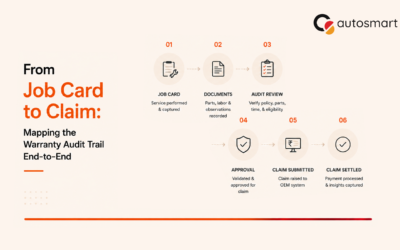
Toyota TSM audit success is not about luck or last-minute preparation. It is about systems, consistency, and visibility. AutoSmart digitises the whole compliance cycle. This includes internal mock audits, tracking corrective actions, and reporting to OEMs. It shifts TSM readiness from a last-minute rush into a year-round edge over competitors.