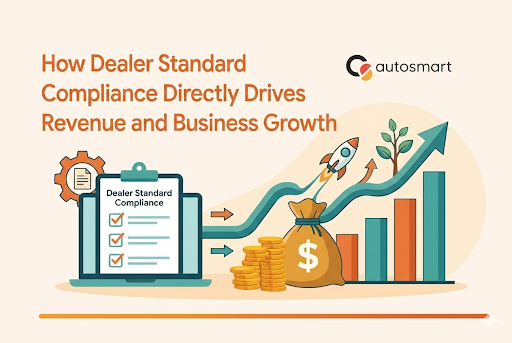
Many dealerships see dealer standard compliance as just another audit task, a costly distraction from selling cars.
Top performers across UAE and Saudi markets know better. They treat dealer operating standards as a revenue engine, systematically converting compliance into higher sales, service profits, and OEM incentives. This creates proven separation from checklist-chasing competitors.
What Is Dealer Standard Compliance and What Does It Cost?
Every dealership owner knows the drill. OEM audit notice arrives. Panic sets in. Teams rush to tidy showrooms and gather paperwork. You barely pass, then revert to chaos until next time. This reactive dealer standard compliance cycle wastes more than time, it erodes revenue your P&L never tracks.
Lost OEM Incentives:
Every manufacturer agreement ties bonuses directly to dealership performance standards.This includes:
- Volume incentives for sales targets.
- Stocking allowances for optimal inventory.
- Co-op ad funds for local campaigns.
- Certified pre-owned program access.
These bonuses usually make up 3-8% of gross revenue for compliant dealerships. This is based on industry benchmarks from major OEM programs. A dealership at 70% compliance loses this whole pool each month. Operational fixes usually cost much less than lost incentives. This lets savvy managers quickly recover their investment.
Inventory Allocation Penalty:
OEMs focus on popular models and new launches for dealers who meet high compliance standards. Non-compliant dealerships get slower-moving inventory. Meanwhile, competitors sell the premium trims that customers want most. In a year, this allocation disadvantage often cuts top-line revenue by 5-10%. This happens due to audit issues, like showroom zoning violations or expired technician certifications.
Silent Customer Churn:
Poor compliance dealer brand standards drive silent customer defection. Messy greetings, sloppy test drives, and slow follow-ups don’t usually bring complaints. Instead, they often lead to losing customers for good. Industry data shows that dealerships lose 12-20% of service customers due to poor processes. Also, showroom leads have a 20% defection rate because of inconsistent standards. Repeat purchase rates and service absorption drop significantly as a result. To benchmark your gaps, see our detailed breakdown of auto dealership standards.
How Dealer Standard Compliance Qualifies for OEM Bonuses
Dealerships mastering dealer standard compliance turn standards into advantage across the sales funnel.
Facility Standards Drive Conversions:
OEM compliance dealer brand standards for lighting, displays, and cleanliness build customer trust in 90 seconds. Dealerships maintaining these daily convert more walk-ins than audit-crammers.
Sales Process Standards Cut Drop-Off:
OEM dealer operating standards specify the following:
- Greet customers within 60 seconds.
- Conduct test drives the right way.
- Show financing options properly.
- Use branded handover checklists consistently.
OEMs created these steps from sales data showing where customers walk away. Daily team practice keeps more customers buying through the whole process and this will ensure smooth operation of the car dealerships.
Certified Staff Close Bigger:
OEM automotive dealer standards require certifications displayed on badges and listings. These credibility markers show customers that your team has manufacturer training. This helps with better handling objections and upselling finance options.
How Dealer Standard Compliance Boosts Service Department Revenue
Service departments generate 40-50% of dealership profit, even with lower revenue than new car sales. Dealer standard compliance gets better with certified technicians. Clear workshop steps help a lot. The right diagnostic tools make things easier. Better appointment scheduling helps, too.
Compliant dealerships get:
- Higher bay utilisation (more work hours used)
- Faster service turnaround
- Routine upsells (oil change → full check → brakes package)
- Higher repair bills per customer
GCC customers expect reliable service. Dealerships with high CSI scores attract 20-30% more service customers. They also turn repair visitors into new car buyers.
Learn how to boost customer satisfaction in GCC dealerships.
Does Dealer Standard Compliance Increase Franchise Value?
Absolutely. When selling your dealership, buyers check your OEM relationship closely. Clean dealer standard compliance records and strong CSI scores signal a premium business worth 1.5-2x more than competitors with spotty audit histories.
High-compliance dealerships also avoid franchise termination risks. OEMs protect strong performers during network cuts, protecting your decades of investment.
How to Make Dealer Standard Compliance Part of Daily Operations
Elite dealerships make dealer standard compliance part of daily work, not just audit prep:
- Morning meetings check key metrics
- Daily showroom/building walkthroughs
- Live dashboards track certifications
- Audit problems get permanent SOP fixes
Manual checklists work for one store but fail with multiple locations. Our OEM audit standards overview shows how top performers scale compliance across networks using digital systems instead.
Dealer Standard Compliance ROI Metrics to Track
These are industry-standard metrics, but specific % gains depend on your starting point:
Track these key metrics before and after improving dealer standard compliance:
- OEM incentive capture: Compliance directly unlocks bonus programs previously forfeited. Top performers claim 20-40% more available incentives once audit scores hit threshold levels.
- Lead-to-sale conversion: Standardized sales processes reduce funnel drop-off. Dealerships report 10-15% conversion improvement after embedding OEM sales standards into daily coaching.
- Service repeat rates: Stronger CSI execution retains customers. Industry data shows 15-25% higher repeat service visits for dealerships scoring in top CSI quartile vs bottom quartile.
- Staff certification rate: OEM standards require more than 95% completion. This is needed for full program access. This includes warranty, CPO, and incentives. Most dealerships start at 60-70%.
- Service bay utilisation: Workshop SOPs eliminate idle time. Best-in-class dealerships achieve 85-90% utilisation vs industry average 65-70%.
Note: Exact ROI varies by OEM program, market, and baseline performance. Track your specific gaps to build your business case.
Why Dealer Standard Compliance Separates Market Leaders
Dealer standard compliance shifts from cost centre to operating system. Reactively managed, it drains revenue. Proactively embedded, it compounds growth across sales, service, and franchise value. GCC leaders execute daily, widening the gap with audit chasers.
FAQs
What is dealer standard compliance?
Consistently meeting OEM facility, sales, service, and brand requirements that drive revenue and audit success.
How does dealer standard compliance generate revenue?
It unlocks OEM incentive pools tied to compliance thresholds, improves sales funnel conversion through consistent process execution, and drives higher service absorption, all of which contribute directly to gross profit.
Which dealership performance standards matter most?
CSI trajectory, bay efficiency, sales compliance, each feeds core profit centres.
Why prioritise dealer standard compliance now?
Recaptures 5-10% lost revenue while protecting franchise value from termination risks.
Do compliance dealer brand standards impact sales?
Yes, dealerships maintaining professional facility and process standards consistently convert a higher proportion of walk-ins by building immediate customer trust

Naseef Umar is the Founder & CEO of AutoSmart Technology, a SaaS platform digitizing audits for OEMs, distributors, and dealer networks. With prior experience at Toyota (Abdul Latif Jameel) and a background in IT and Industrial Management, he writes about audits, operational discipline, and building SaaS products for enterprise customers across markets.