
Automotive workshops rarely lose efficiency overnight. The decline usually happens gradually; tools left out after use, storage areas turning inconsistent, cleaning routines skipped, and visual controls ignored. Without a structured audit process, even a well-organised workshop can return to disorder within a few months.
That is why a 5S audit automotive workshop programme matters. The audit process creates accountability, reinforces operational standards, and helps dealer networks maintain workshop discipline across every location. For aftersales directors, workshop managers, and field auditors, regular audits also provide measurable visibility into compliance performance.
A structured lean workshop audit does more than evaluate cleanliness. It measures consistency, safety, organisation, and adherence to dealership operational standards. When supported by documented corrective actions and trend tracking, the audit becomes part of long-term dealer workshop compliance management rather than a one-time exercise.
What Is a 5S Audit in an Automotive Workshop?
The 5S methodology originated within manufacturing environments and remains widely used across automotive retail operations. The framework is based on five principles:
- Sort
- Set in Order
- Shine
- Standardise
- Sustain
Within a dealership environment, the 5S methodology dealership process focuses on maintaining organised, safe, and repeatable workshop conditions.
A 5S audit evaluates whether those standards are being followed consistently across workshop operations.
What Does Sort Measure During a 5S Audit?
Sort focuses on removing unnecessary items from the work area.
In an automotive workshop, auditors typically assess:
- Unused tools or equipment
- Broken items stored in active bays
- Red-tag processes for disposal decisions
- Excess materials occupying technician space
- Obsolete parts or packaging left in service areas
The objective is to reduce clutter that affects workflow, technician productivity, and safety.
What Does Set in Order Assess in Workshop Organisation?
Set in Order evaluates whether tools and materials are stored correctly and consistently.
This stage of automotive workshop organisation usually includes:
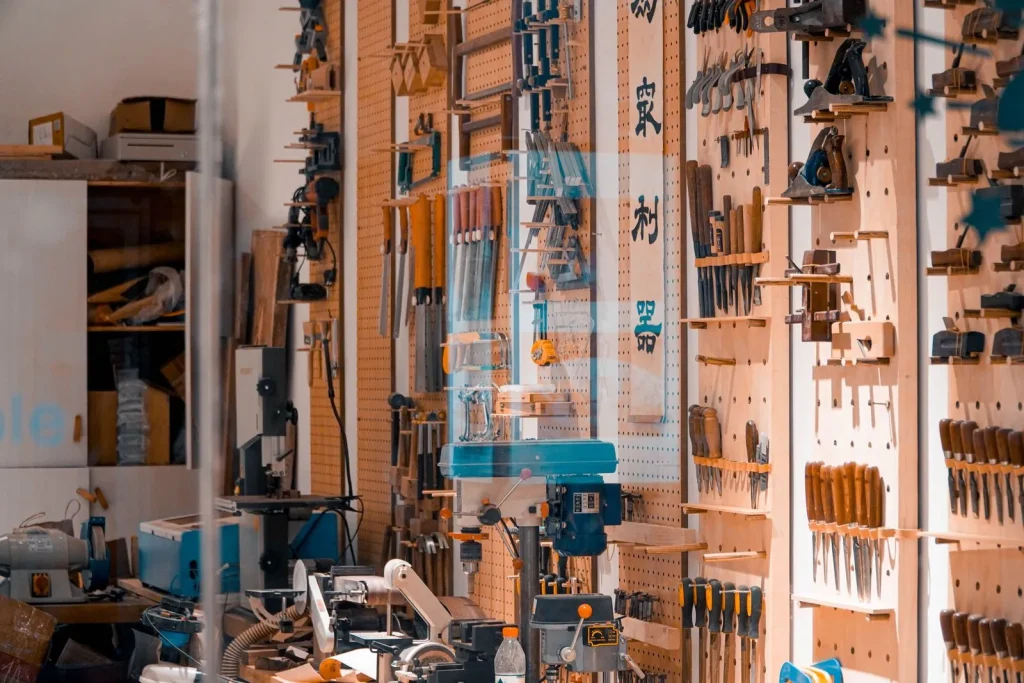
- Shadow boards for workshop tools
- Labelled drawers and storage cabinets
- Floor markings for equipment placement
- Designated storage locations
- Clear aisle and walkway markings
Every item should have a defined location that technicians can identify immediately.
Why Is Shine Important in a Lean Workshop Audit?
Shine measures cleanliness and equipment condition throughout the workshop.
Auditors check for:
- Oil spills or fluid leaks
- Dirty workbenches
- Waste accumulation
- Cleaning schedules
- Equipment maintenance conditions
A clean workshop supports safer operations and improves visibility into maintenance issues before they become operational problems.
How Does Standardise Support Dealer Workshop Compliance?
Standardise ensures that workshop procedures and visual controls remain consistent across all bays and departments.
This includes:
- Posted visual standards
- Standard operating procedures
- Consistent workstation layouts
- Uniform storage methods
- Documented cleaning responsibilities
For dealer groups and OEM networks, standardisation allows audit scores to remain comparable across multiple locations.
What Does Sustain Measure in a 5S Audit Automotive Workshop?
Sustain measures whether 5S practices continue between audit cycles.
Auditors review evidence such as:
- Previous audit records
- Corrective action completion
- Daily inspection logs
- Supervisor sign-offs
- Ongoing housekeeping routines
Sustain is often the weakest area in many workshops because it requires long-term discipline rather than temporary preparation.
How Should You Prepare a 5S Audit Checklist Dealership Process?
Preparation determines whether the audit produces usable operational data or only surface-level observations.
Before entering the workshop, the auditor should define:
- Audit scope
- Workshop zones
- Scoring methodology
- Audit criteria
- Documentation requirements
A structured 5S audit checklist dealership process should cover every operational area consistently.
Which Workshop Areas Should Be Included in the Audit?
Most dealership workshop audits should include:
- Service bays
- Diagnostic areas
- Tool storage rooms
- Parts staging zones
- Waste disposal areas
- Technician workstations
- Workshop offices
- Customer vehicle holding areas
Each zone should be assessed against the same 5S criteria.
What Scoring System Works Best for a Lean Workshop Audit?
Many dealer networks use one of three scoring methods:
- Binary scoring (compliant or non-compliant)
- Three-point scoring systems
- Numerical scoring scales
For network-wide reporting, simplified scoring models are often easier to standardise and compare across locations.
Consistency matters more than scoring complexity.
How Should a Physical 5S Audit Be Conducted?
The physical inspection should follow a structured route through the workshop.
Most auditors begin at the workshop entrance and move sequentially through each operational area. This prevents missed zones and creates a repeatable inspection method.
During the audit, each area should be reviewed against all five pillars of the Sort Set Shine Standardise Sustain framework.
What Should Auditors Check During the Sort Phase?
Auditors should look for:
- Redundant equipment
- Damaged tools
- Unused machinery
- Incorrectly stored items
- Obsolete materials
Items that do not belong in the area should be identified immediately.
What Should Be Reviewed During Set in Order?
Key checks include:
- Label accuracy
- Tool placement consistency
- Marked storage zones
- Shadow board compliance
- Accessible equipment storage
Storage systems should support quick retrieval and return of tools.
What Should Be Assessed During Shine?
Shine inspections should include:
- Bay cleanliness
- Machine condition
- Waste handling
- Cleaning schedule visibility
- Oil or fluid contamination
Cleaning responsibilities should be visible and assigned clearly.
How Is Standardise Evaluated?
Auditors compare workshop conditions against documented standards.
This includes reviewing:
- Visual management boards
- Posted procedures
- Standard layouts
- Safety signage
- Operational consistency between bays
Differences between bays often indicate weak standardisation controls.
Why Should Safety Checks Be Part of Sustain?
Sustain should include safety-related compliance checks because workshop discipline directly affects operational risk.
Auditors should verify:
- Fire extinguisher inspection dates
- Clear emergency exits
- Hazardous material labelling
- PPE compliance
- Waste disposal procedures
Safety observations should always be documented within the audit findings.
Why Is Photographic Evidence Important During Audits?
Workshop conditions can change quickly after inspections.
Photographic evidence provides:
- Verification of findings
- Audit transparency
- Historical comparison
- Corrective action reference
- Consistent reporting standards
For field auditors and dealer networks, photographs help support accountability across multiple audit cycles.
How Should Audit Findings Be Scored and Reported?
Once the inspection is complete, scores should be calculated by:
- Workshop zone
- 5S pillar
- Severity category
A single overall score rarely explains operational weaknesses accurately.
For example, a workshop with strong general scores may still have one storage area with repeated compliance failures.
How Should Non-Conformances Be Categorised?
Most findings should fall into three categories:
Immediate Action Required
Examples include:
- Blocked fire exits
- Hazardous spills
- Missing safety labels
Short-Term Corrective Actions
Examples include:
- Tool placement issues
- Incomplete labelling
- Poor housekeeping
Systemic Improvement Needs
Examples include:
- Weak training processes
- Missing procedures
- Repeated audit failures across multiple areas
A structured report helps management prioritise operational risks correctly.
Why Do Corrective Actions Matter in Dealer Workshop Compliance?
Many workshops complete audits but fail to follow through on corrective actions.
Without accountability, the same non-conformances reappear during the next inspection cycle.
Every audit finding should include:
- The corrective action required
- A responsible owner
- A target completion date
- Verification status
For dealer groups, tracking corrective actions within the same audit platform improves visibility and follow-up management.
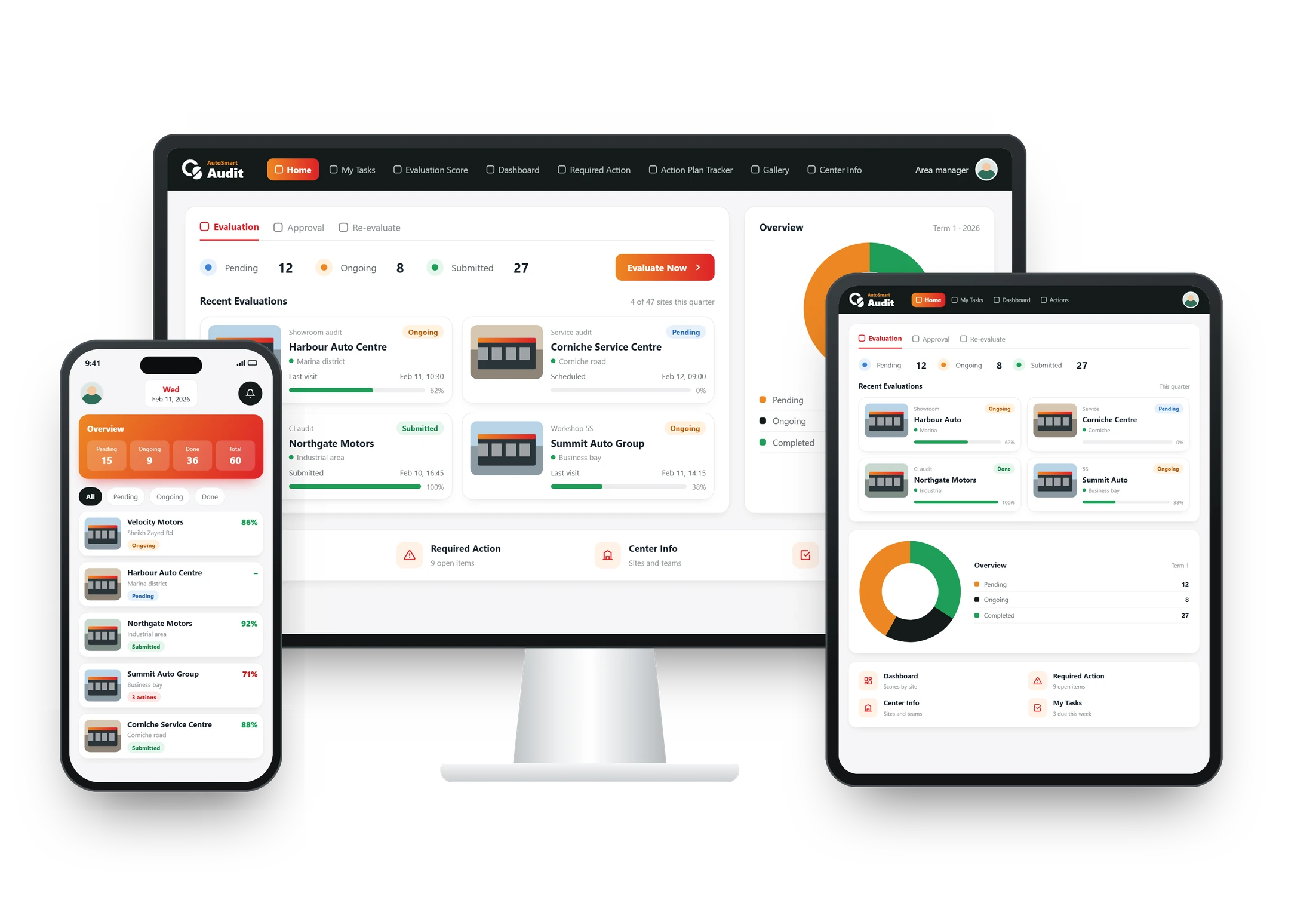
Within AutoSmart Audit, workshop audit findings can be monitored alongside wider dealership compliance programmes, helping aftersales leadership teams review operational consistency across all locations.
How Often Should a 5S Audit Automotive Workshop Programme Run?
Audit frequency depends on workshop maturity and operational stability.
Typical schedules include:
- Monthly audits for newly implemented workshops
- Quarterly audits for stable dealer operations
- Follow-up inspections after major non-conformances
Trend tracking across multiple audit cycles provides a clearer picture than individual inspections alone.
Repeated assessments help identify:
- Improving locations
- Recurring compliance failures
- Weak operational controls
- Training gaps
Conclusion
A structured 5S audit automotive workshop process helps dealerships maintain workshop discipline, operational consistency, and safety compliance across every service area. More importantly, it creates measurable visibility into how well standards are being maintained over time.
The strongest audit programmes are not built around occasional inspections. They depend on repeatable processes, documented corrective actions, standardised reporting, and cycle-over-cycle improvement tracking.
For dealer groups and OEM networks, combining workshop audits with centralised compliance reporting provides a clearer operational view across all locations. When workshops treat 5S as an ongoing management process rather than a one-time clean-up initiative, the results become easier to sustain.