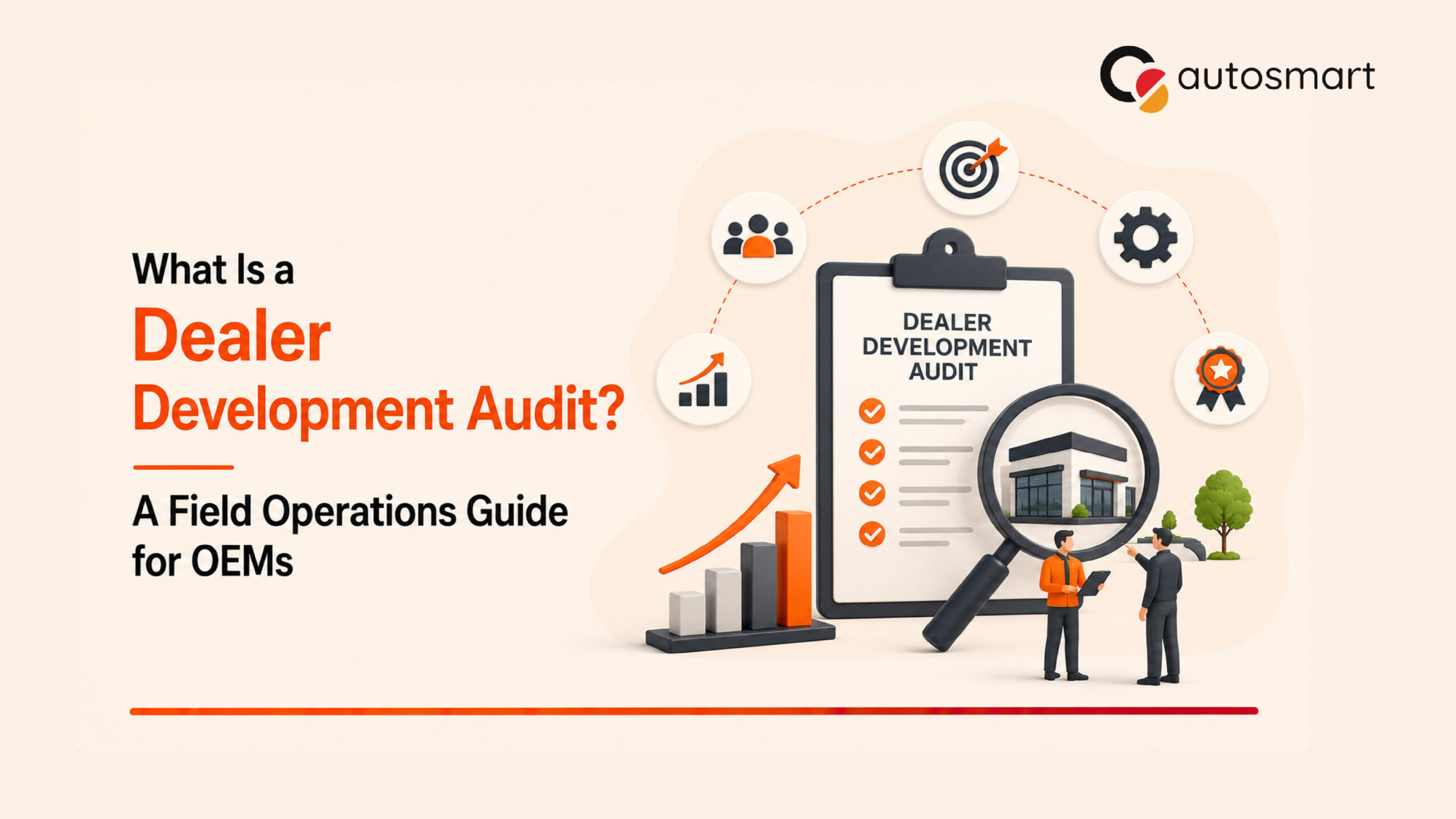
يساعد تدقيق تطوير الوكلاء مصنعي المعدات الأصلية في فهم مدى جودة أداء كل وكيل في شبكتهم. إنه ليس مجرد فحص للامتثال، بل هو تقييم عملي ينظر فيما يحدث بالفعل على أرض الواقع.
تختلف كل شبكة وكلاء عن الأخرى. وتختلف الفرق وتختلف المرافق. كما يختلف مستوى الخبرة عبر المواقع المختلفة. وعندما لا تكون هناك عملية تدقيق منظمة، فإن الفجوة بين الوكلاء ذوي الأداء الجيد والوكلاء الذين يعانون يمكن أن تتسع دون أن يلاحظ أي شخص على مستوى الإدارة حتى تبدأ في التسبب في مشاكل حقيقية.
تم كتابة دليل تدقيق تطوير الوكلاء هذا لمديري العمليات الميدانية لمصنعي المعدات الأصلية وفرق تطوير الوكلاء. وهو يغطي ما يتضمنه التدقيق، وكيف تعمل العملية، وكيف يمكن استخدام النتائج لبناء شبكة وكلاء أقوى وأكثر اتساقاً.
ما يمكن توقعه من دليل تدقيق تطوير الوكلاء هذا
تدقيق تطوير الوكلاء هو تقييم منظم ينفذه مصنع المعدات الأصلية أو شريك التدقيق المعين من قبله لتقييم مدى استيفاء الوكلاء الفرديين لمعايير التشغيل والمرافق وتجربة العملاء المحددة.
إنه ليس مثل التدقيق المالي أو مراجعة المبيعات التي تركز حصرياً على الأرقام. ينظر هذا التقييم إلى الصورة الأكبر - كيف يقدم الوكيل نفسه، وكيف يؤدي الفريق، وما إذا كان يتم اتباع العمليات بشكل صحيح، وما إذا كان العملاء يحصلون على التجربة المناسبة في كل مرة يزورون فيها.
بالنسبة لفرق العمليات الميدانية لمصنعي المعدات الأصلية، يُعد هذا أحد أوضح الطرق لتحديد الوكلاء الذين يحتاجون إلى الدعم، والوكلاء الذين يحققون أداءً جيدا، والمجالات التي تتطلب تحسينات على مستوى الشبكة بأكملها.
ما الذي يبحث فيه تدقيق تطوير الوكلاء حقاً
قد يكون لدى مصنعي المعدات الأصلية المختلفين متطلبات مختلفة، ولكن معظم عمليات تدقيق تطوير الوكلاء تُبنى حول نفس المجالات الأساسية.
المجالات الخمسة التي يفحصها كل تدقيق لتطوير الوكلاء
- معايير المرافق والعلامة التجارية
يغطي هذا مظهر الوكيل وانطباعه منذ لحظة دخول العميل. ويشمل ذلك حالة اللافتات، وجودة الإضاءة، والنظافة، وتصميم صالة العرض، وكلها مقاسة مقابل إرشادات العلامة التجارية لمصنع المعدات الأصلية لضمان تقديم الوكيل لنفسه بالمستوى الصحيح. - تدريب الموظفين واعتمادهم
يبحث هذا الجانب عما إذا كان الأشخاص المناسبون يحملون الشهادات الصحيحة. ومن المتوقع أن يستوفي استشاريو المبيعات، ومستشارو الخدمات، وجميع الموظفين المتعاملين مع العملاء متطلبات التدريب الخاصة بالشركة المصنعة الأصلية (OEM). وأثناء الزيارة، تتم مراجعة السجلات وقد يتم التحقق من معرفة الموظفين من خلال الأسئلة المباشرة. - كيفية تقييم عملية المبيعات أثناء التدقيق
تضع الشركة المصنعة الأصلية (OEM) عملية مبيعات واضحة يجب على كل وكيل اتباعها. يتحقق المدققون مما إذا كانت كل خطوة يتم تنفيذها بشكل صحيح، بدءاً من استقبال العميل وحتى إتمام تسليم السيارة والمتابعة بعد البيع. - معايير ما بعد البيع والخدمة لا تنتهي مسؤولية الوكيل تجاه العميل بمجرد اتمام عملية البيع. يغطي هذا الجانب كيفية عمل الورشة، وكيفية تواصل مستشارو الخدمة مع العملاء، وما إذا كانت متابعة ما بعد الخدمة تتم وتسجل بشكل صحيح.
- اتساق تجربة العملاء
يتحقق المدققون مما إذا كانت تجربة العميل في هذا الوكيل تتطابق مع توقعات الشركة المصنعة الأصلية (OEM). يجب أن تكون جودة الخدمة التي يتلقاها العميل متسقة في كل زيارة وفي كل مرة.
نظرة واضحة على عملية التدقيق للعمليات الميدانية لمصنعي المعدات الأصلية
من الاعتقاد الشائع بين فرق الوكلاء أن تدقيق العمليات الميدانية للشركة المصنعة الأصلية (OEM) هو زيارة غير مفاجئة وأن المدقق موجود للعثور على المشكلات. وفي الواقع، الأمر عكس ذلك تماماً. يتبع التدقيق عملية محددة جيداً ومنظمة، وهي مصممة لمنح كل وكيل فرصة عادلة ومتساوية لإثبات أدائه.
مرحلة ما قبل التدقيق: كيف يُتوقع من الوكلاء الاستعداد
قبل إجراء الزيارة الميدانية، يتلقى الوكلاء عادةً إطاراً يحدد ما سيتم تقييمه. تعد فترة الإعداد هذه قيّمة للطرفين.
بالنسبة للوكيل، فهي فرصة لمراجعة المعايير الحالية، وتحديث سجلات اعتماد الموظفين، ومعالجة مشكلات المرافق المرئية، والتأكد من ترتيب الوثائق. وبالنسبة للفريق الميداني، فهي تضمن تقييم كل وكيل بشروط متساوية، مما يجعل أداء الشبكة أسهل في القياس والمقارنة.
الوكلاء الذين يأخذون هذه المرحلة على محمل الجد يكونون دائماً في وضع أقوى وأكثر ثقة عند وصول الزيارة الرسمية.
التقييم الميداني: كيف يتم تنفيذ زيارة التدقيق
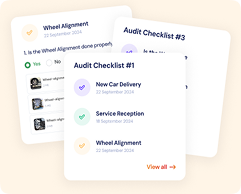
أثناء الزيارة الميدانية، يتنقل المدقق عبر كل منطقة ذات صلة بالوكيل، صالة العرض، استقبال الخدمات، قسم الورشة، نقاط الاتصال مع العملاء. يراقب المدققون كيف يتفاعل الموظفون مع العملاء طوال الزيارة. تتم مراجعة الوثائق على الفور. يتم تسجيل كل بند في قائمة التحقق على حدة.
عملية تسجيل النقاط بسيطة ومتسقة. يتم قياس كل بند مقابل معيار ثابت ولا توجد حلول وسط. وهذا يضمن تقييم كل وكيل في الشبكة بنفس الطريقة تماماً، مما يجعل النتائج عادلة وموثوقة بشكل عام.
بعد زيارة التدقيق: ما تغطيه جلسة المراجعة
بمجرد اكتمال الزيارة، يتلقى الوكيل تقريراً كاملاً بالنقاط تتبعه جلسة مراجعة منظمة. وخلال هذه الجلسة يحققProcess قيمته الأكثر أهمية.
بدلاً من مجرد عرض لوحة النتائج، تعمل جلسة المراجعة على استعراض كل مجال قصر عن المستوى المطلوبة، وتشرح الأسباب الكامنة وراء كل قصور، وتحدد الإجراءات التصحيحية اللازمة قبل دورة التدقيق التالية. يغادر كل من الوكيل والفريق الميداني بفهم واضح ومשותرك لما يجب تحسينه وكيفية الوصول إلى هناك.
هل تبحث عن طريقة أفضل لإدارة نتائج عمليات تدقيق تطوير الوكلاء عبر شبكتك؟ تعرف على كيف تساعد أداة AutoSmart Audit فرق العمليات الميدانية للشركات المصنعة الأصلية في تتبع الامتثال والإجراءات التصحيحية على نطاق واسع.
ما يقدمه تدقيق تطوير الوكلاء لشبكات مصنعي المعدات الأصلية
يتجاوز تدقيق تطوير الوكلاء مجرد التحقق مما إذا كان يتم استيفاء المعايير. فهو يمنح فرق العمليات الميدانية للشركة المصنعة الأصلية (OEM) صورة حقيقية عن أداء شبكتهم على أرض الواقع.
بدون عملية منظمة، تتسع الفجوات بهدوء دون أن يلاحظها أحد. وبحلول الوقت الذي تصبح فيه مرئية، تكون رضا العملاء وسمعة العلامة التجارية قد تأثرت بالفعل.
يؤدي التدقيق المنظم جيداً إلى تغيير هذا الواقع، حيث يمنح الفرق الميدانية نظرة واضحة وموثوقة عن كل وكيل تتجاوز بكثير أرقام المبيعات.
كيف تساعد بيانات التدقيق الفرق الميدانية لمصنعي المعدات الأصلية في اتخاذ قرارات أفضل
إضافة رابط في الفقرة
تكون بيانات التدقيق أكثر فائدة عندما تعرف الفرق الميدانية ما يجب فعله بها. بدلاً من النظر إلى درجة كل وكيل على حدة، تنظر فرق العمليات الميدانية الفعالة للشركات المصنعة الأصلية (OEM) في النتائج عبر الشبكة بأكملها. وعندما تظهر نفس المشكلة في عدة مواقع، فإن ذلك يشير إلى شيء يحتاج إلى الإصلاح على مستوى الشبكة.
يجب أن يكون لكل نتيجة مالك واضح وموعد نهائي محدد للحل. إن المشكلة التي يتم طرحها ولكن لا يتم معالجتها أبداً تعني أن التدقيق لم يحقق غرضه. كما يساعد تتبع أداء تدقيق الوكلاء بمرور الوقت الفرق الميدانية على ملاحظة متى يبدأ أداء الوكيل في التراجع، واتخاذ الخطوات اللازمة قبل تفاقم الوضع.
لقد وضعت الرابط في بداية هذه الجملة لأنه يُقرأ بشكل طبيعي هناك ويرتبط مباشرة بالنقطة المحيطة حول مراقبة الاتجاهات - ما عليك سوى استبدال # عنوان URL الفعلي للمدونة أو صفحة الميزة التي تربط بها.
ما يحققه حقاً تدقيق تطوير الوكلاء المدار بشكل جيد
تدقيق تطوير الوكلاء لا يتعلق بالعثور على المشكلات. بل يتعلق بفهم مكانة الشبكة، وأين تكون هناك حاجة للدعم، وكيفية بناء تحسن مستمر في كل موقع.
يهدف دليل تدقيق تطوير الوكلاء هذا إلى منح كل من فرق العمليات الميدانية للشركات المصنعة الأصلية (OEM) والوكلاء فهماً واضحاً ومشتركاً لتلك العملية. لأنه عندما يقترب الجميع من التدقيق بنفس الفهم، يتوقف عن كون شيئاً يحدث للوكيل ويصبح شيئاً يفيد الشبكة بأكملها حقاً.
Siddharth works in the Founders’ Office at AutoSmart, where he covers strategy, research, and revenue operations. He writes about warranty audits, compliance frameworks, and what the data across audit programmes actually shows.