Mystery shopping has been part of dealership performance evaluation for decades, but the way it’s managed has changed. What used to mean a clipboard and a paper form now involves dedicated software, structured scoring, and real-time reporting. A mystery shopper app brings this process into a format dealer networks can act on quickly rather than reviewing findings weeks later.
This piece covers how mystery shopper app platforms work, what makes a report actionable, and how mystery shopping fits alongside other customer experience audits.
Inside a Mystery Shopper App: How the Process Works
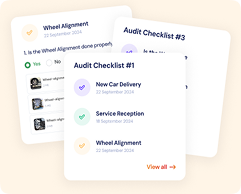
A mystery shopper app is a mobile platform that guides the evaluator through a structured checklist during their visit, capturing scores, notes, photos, and timestamps as they move through the customer journey. Rather than relying on memory to write a report afterward, the evaluator records findings in real time, improving both accuracy and speed.
Most mystery shopper app platforms cover the full cycle: scheduling the visit, guiding the evaluator through a standardised checklist, capturing evidence, generating a scored report, and routing findings to the relevant manager. This is a step beyond what general secret shopper websites offer, which typically list available assignments but don’t provide the structured evaluation and reporting a dealer network needs.
Why Mystery Shopping Still Works for Dealership CX
Mystery shopping remains one of the few tools that evaluates the customer experience exactly as a real customer would encounter it, unannounced, unscripted, and from the outside in. Neither internal audits nor satisfaction surveys capture the same thing.
Where mystery shopping for customer experience audits adds the most value is in catching the gap between what leadership believes is happening and what actually happens when no one is watching, particularly across a multi-branch network. AutoSmart’s own dealer operating standards audit framework draws a clear distinction: a DOS audit measures operational compliance against checklists, while mystery shopping evaluates the overall customer journey.
What a Mystery Shopper Checklist Should Cover
A useful mystery shopper checklist for a dealership typically covers three phases of the customer journey.
- Digital response: how quickly and personally an enquiry is answered, and whether it moves the customer toward an appointment.
- Phone interaction: tone, script adherence, and whether the conversation ends with a clear next step.
- Showroom visit: the greeting, needs analysis, vehicle presentation, test drive offer, and follow-up commitment.
Scoring each phase separately shows where the process breaks down, rather than a single score that masks the weak stage.
How to Write a Mystery Shopper Report That Drives Action
Knowing how to write a mystery shopper report that drives action comes down to specificity. “The greeting was poor” gives management nothing. “No greeting for four minutes, first interaction initiated by the customer” gives a clear, coachable finding.
Actionable reports include timestamped observations rather than impressions, described behaviours rather than subjective ratings, photographic evidence captured through the mystery shopper app during the visit, and a clear link between each finding and the standard it was measured against.
AutoSmart’s automotive sales process content covers the touchpoints most commonly evaluated during mystery shopping visits, useful context for structuring reports around the same framework.
Mystery Shopping Alongside Other CX Evaluations at AutoSmart
AutoSmart’s platform includes mystery shopping as a supported audit type, alongside facility audits, SOP audits, brand compliance checks, and operational standards reviews. Mystery shopping findings feed into the same dashboard, the same corrective action workflow, and the same trend reporting as every other audit type.
The platform also allows external mystery shopping results to be imported, including photo evidence and notes, and viewed alongside internal audit data, giving leadership a single view of compliance and customer experience rather than two disconnected systems.
How Often Dealerships Should Run Mystery Shopping Programmes
Frequency depends on the network’s maturity and what the programme is designed to catch. New or underperforming locations often benefit from monthly visits to establish a baseline. More stable sites can shift to quarterly cycles, with the option to increase frequency if scores drop.
What matters more than frequency is consistency. Retail mystery shopping programs that run sporadically produce spikes of attention followed by drift, which defeats the purpose. Running the same structured evaluation at regular intervals makes trend data meaningful rather than a series of disconnected snapshots.
From Evaluation to Accountability
A mystery shopping visit captures a moment. What happens with that data afterward determines whether it changes anything. A report filed and forgotten is no more useful than a visit that never happened. The value sits in structured follow-through: scored findings, assigned corrective actions, and trend tracking that shows whether the same issues keep recurring or are actually being resolved.
AutoSmart’s audit platform brings mystery shopping into the same corrective action and reporting workflow used for every other dealership audit type. Book a demo to see how mystery shopping findings connect with broader dealership compliance in one system.

Ejaz leads engineering at AutoSmart. He built the platform around a constraint most audit software ignores: the auditor is standing in a workshop with no signal. He writes about offline-first architecture, audit data structures, and scoring systems.