
 AutoSmart Guidebooks
What this guidebook covers
Oil, filters and batteries are hazardous waste, and a workshop produces them every day. Law 7/2022 fines very serious infringements up to €3.5 million, with a minimum of €300,001 when hazardous waste is involved. The polluter pays to clean up the soil, and SEPRONA (the Civil Guard's environmental unit) investigates illegal discharges and scrapping.
This guidebook covers 6 environmental standards for workshops and dealers, with 17 checkpoints: registration as a waste producer, the chronological record, hazardous waste storage, authorised waste managers, controlled discharges, and end-of-life vehicles. The guidebook PDF is in Spanish.
The 6 waste and environment standards
Open a standard to see the law behind it, what is checked, what it can cost and the evidence. Ideal fix times are counted from audit submission.
RES-01Registered as a waste producer7 days
- The law
- Law 7/2022 on waste and contaminated soils · Law 7/2022: notification or authorisation as a hazardous waste producer · NIMA
- What we check
- Every site that produces hazardous waste (oil, filters, batteries, paint) is registered as a producer and has its NIMA number.
- What it can cost
- Serious: up to €300,000 with hazardous waste.
- Evidence
- Registration decision
RES-02Chronological record7 days
- The law
- Law 7/2022 on waste and contaminated soils · Law 7/2022 art. 64: chronological record · RD 553/2020: shipments (eSIR)
- What we check
- The chronological waste record is kept up to date, and every collection of hazardous waste has its electronic identification document.
- What it can cost
- Serious: up to €300,000 with hazardous waste.
- Evidence
- Record + identification documents
RES-03Hazardous waste storage72 hours
- The law
- Law 7/2022 on waste and contaminated soils · Law 7/2022: storage for 6 months at most · labelling and separation
- What we check
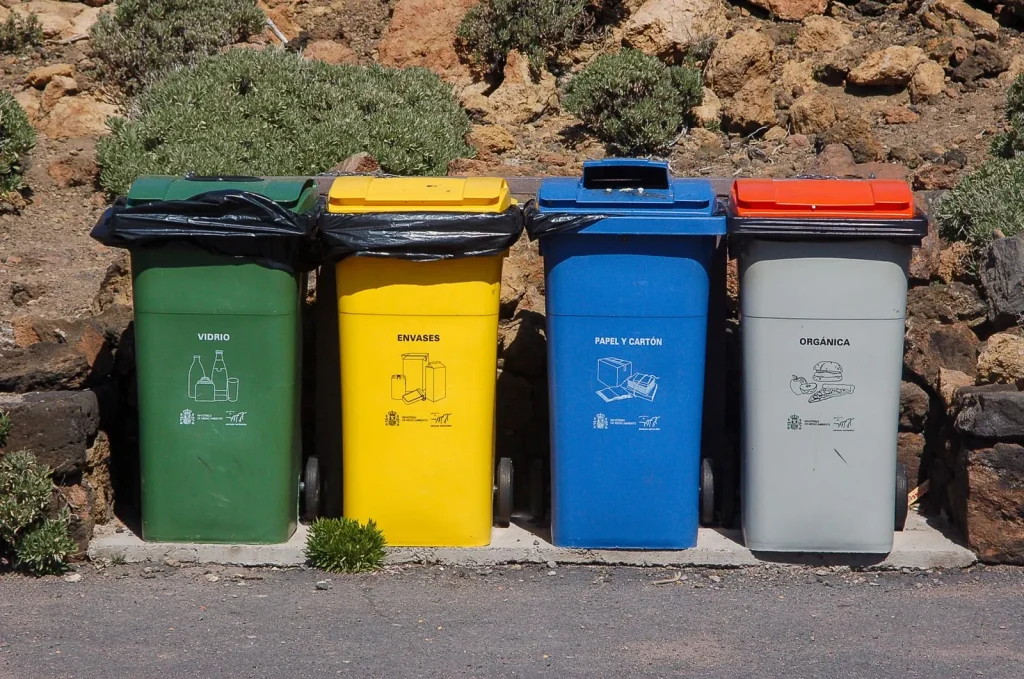
- Oils, filters, batteries and contaminated rags are kept separate, labelled, in sealed containers over a bund, and for no more than 6 months.
- What it can cost
- Up to €3.5 million if waste is abandoned or dumped.
- Evidence
- Photos
RES-04Authorised waste managers7 days
- The law
- Law 7/2022 on waste and contaminated soils · Law 7/2022: handover only to authorised waste managers · extended producer responsibility schemes (oils, tyres, batteries)
- What we check
- Waste goes only to authorised waste managers, and oils and tyres through their collective schemes. The authorisation is checked.
- What it can cost
- Up to €3.5 million and liability for the waste.
- Evidence
- List of waste managers
RES-05Controlled discharges24 hours
- The law
- Law 7/2022 on waste and contaminated soils · municipal discharge by-law · Water Act: discharge authorisation
- What we check
- The car wash and workshop discharge through a maintained hydrocarbon separator, with a discharge authorisation. No oil down the drain.
- What it can cost
- A municipal or regional fine, and a crime if there is serious damage.
- Evidence
- Emptying records
RES-06End-of-life vehicles30 days
- The law
- Law 7/2022 on waste and contaminated soils · Royal Decree 265/2021: end-of-life vehicles
- What we check
- Cars for scrapping go only to an authorised treatment facility (CAT), which issues the certificate of destruction and deregisters the car. Applies to dealers taking in cars for deregistration (for example in scrappage schemes).
- What it can cost
- Up to €3.5 million for illegal handling.
- Evidence
- Certificates
How to run a Spanish waste and environment audit, step by step
- Confirm what applies. Confirm each site is registered as a hazardous waste producer with its NIMA (environmental ID number); the regions keep the registers and can add their own rules. The end-of-life vehicle standard applies only if you collect cars for scrapping.
- Walk the site, standard by standard. Score each of the 17 checkpoints Pass, Fail or N/A. N/A only where the standard rules it out, with the reason recorded. Look inside the bins, compare waste manager invoices with the identification documents (DI), check each manager in the register, the oil separator log and the cars handed over for scrapping.
- Capture the evidence. A pass counts only with proof captured at the time of the audit: registration decisions, the chronological record and DIs, photos of the storage area, the list of waste managers, the separator emptying log and certificates of destruction.
- Give every fail an owner and a fix time. Record what you saw and who owns the fix. Each standard carries an ideal fix time, from 24 hours to 30 days, counted from audit submission (see the table above).
- Fix it, then prove it. The site fixes the cause and uploads proof of closure; the auditor checks the proof before closing the finding.
- Re-check at the next audit. Confirm closed findings stay closed, and look for the same fail at your other sites so one gap doesn't repeat across the network.
Who this guidebook is for
- Management: answers for the waste until it reaches its destination
- Workshop managers: separate and document every waste stream
- Auditors: check containers, records and waste managers
A reference document, not legal advice. Fines and rules change: check the current text with the regulator or your legal adviser before acting.