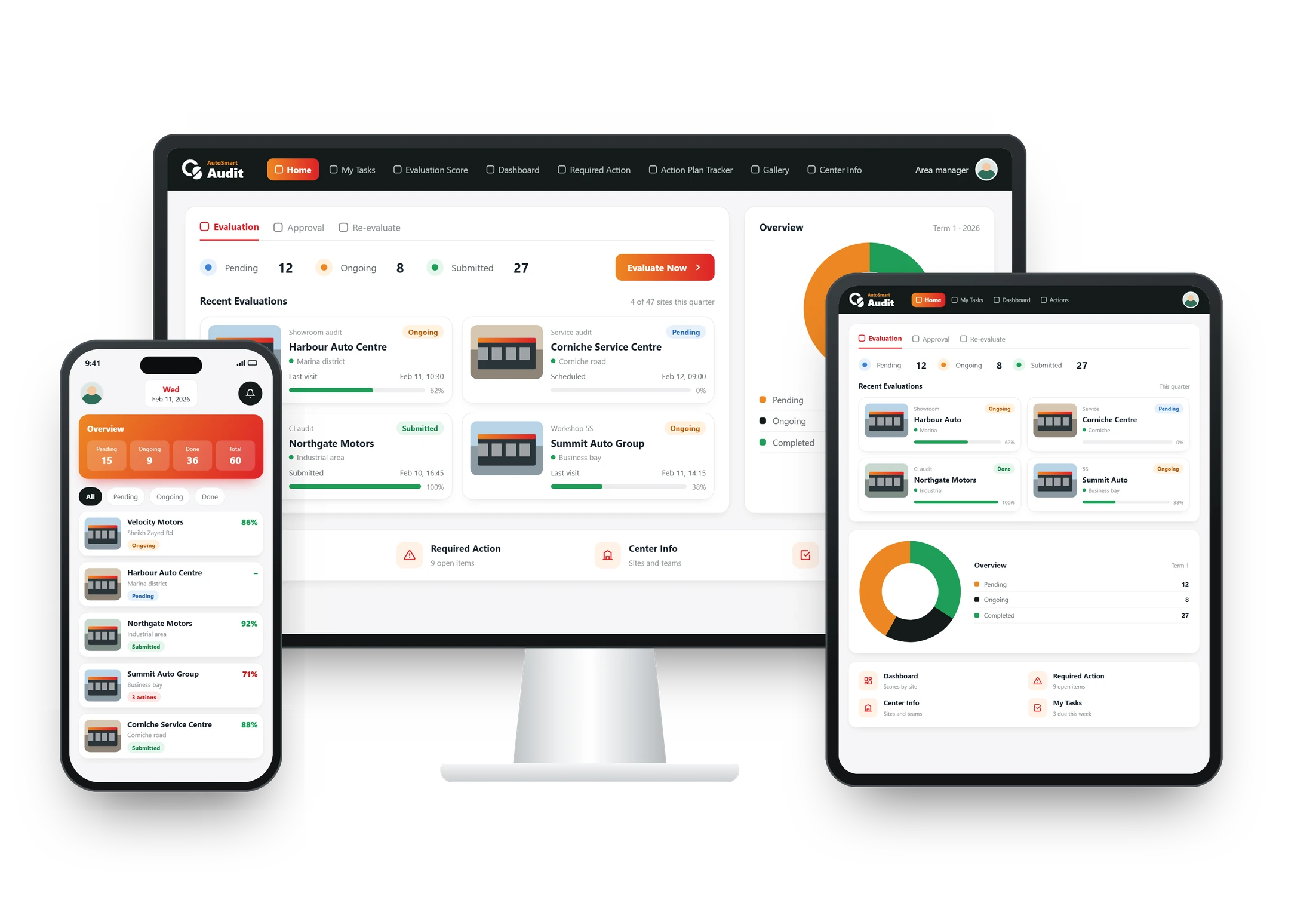













Automotive audit system improving NPS and CSI

Automotive NPS and CSI Improvement: Why Audit Systems Are the Missing Link

Compartir:

Customer experience is no longer a differentiator, it’s a necessity. Dealerships invest heavily in measuring satisfaction through NPS (Net Promoter Score) and CSI (Customer Satisfaction Index), yet many still struggle to see consistent improvement. Why? Because measurement alone does not drive change.

Surveys can tell you what customers feel, but they rarely explain why those feelings exist, or how to fix them. The real issue lies deeper, within everyday dealership operations. This is where an automotive audit system becomes the missing link, bridging the gap between feedback and actionable improvement.

Why Surveys Alone Cannot Improve NPS and CSI

Most automotive businesses rely on surveys to understand customer sentiment. While these tools are valuable, they are inherently reactive. They capture outcomes after the customer experience has already taken place.

What surveys don’t address are the root causes behind poor scores. These often include:

  • Operational inconsistencies across branches
  • Weak compliance with brand standards
  • Lack of structured follow-up processes
  • Limited accountability among teams

Without addressing these foundational issues, efforts to increase CSI and NPS automotive metrics become inconsistent and short-lived. Surveys highlight symptoms, but not the underlying problems.

How Operational Gaps Impact Customer Loyalty

Customer dissatisfaction rarely stems from a single major failure. Instead, it builds through repeated minor issues that go unnoticed or unresolved.

Common dealership gaps include:

  • Incomplete final vehicle inspections
  • Poor cleanliness during vehicle handover
  • Delays in service delivery
  • Confusing or non-transparent billing
  • Ineffective complaint resolution

Each of these failures directly affects immediate satisfaction (CSI) while also influencing long-term perception and loyalty (NPS). Over time, these small inconsistencies make it difficult to improve dealership loyalty.

A structured dealership performance audit helps identify these issues early, before they begin to impact customer perception at scale.

The Role of an Automotive Audit System

An automotive audit system is not just a compliance tool, it’s a framework for controlling and improving customer experience at every touchpoint.

It enables automotive organizations to:

  • Define and standardize operational processes
  • Evaluate dealership compliance against brand standards
  • Capture real-time evidence through photos and checklists
  • Assign measurable scores to operational performance
  • Monitor trends across locations and time periods

By implementing an automotive service audit software, dealerships move from guesswork to structured evaluation. 

Building a Controlled Experience Framework

Consistency is the foundation of customer satisfaction. When customers visit different branches of the same dealership network, they expect the same level of service, quality, and professionalism.

An audit-driven approach allows businesses to:

Standardize Brand Expectations

Clearly defined benchmarks ensure that all dealerships follow the same operational guidelines.

Measure Compliance Objectively

Audits provide data-backed insights into how well each location adheres to standards.

Capture Real-Time Evidence

Photographic documentation removes ambiguity and strengthens accountability.

This structured approach transforms experience management from reactive to proactive, enabling businesses to systematically increase CSI and NPS automotive outcomes.

Closing the Experience Gap with Digital Audits

One of the biggest challenges in automotive operations is the gap between identifying issues and resolving them effectively.

Without a structured audit system:

  • Problems are detected too late
  • Corrective actions vary in quality
  • Accountability remains unclear
  • Issues tend to recur

Documented Findings

Every issue is recorded with supporting data and evidence.

Assigned Responsibilities

Tasks are clearly allocated to specific team members.

Deadline Tracking

Timelines ensure that corrective actions are not delayed.

Verified Closure

Issues are only marked complete once validated, ensuring quality resolution.

This structured approach eliminates repetitive service failures and ensures continuous improvement across the network.

Data-Driven Governance for Leadership

For leadership teams, visibility is critical. Without accurate and centralized data, decision-making becomes reactive and fragmented.

A robust dealership performance audit system provides:

  • Network-wide visibility across all locations
  • Transparent tracking of corrective actions
  • Benchmarking tools to compare performance

This level of insight allows leadership to intervene early, address systemic issues, and prevent customer dissatisfaction before it escalates.

More importantly, it aligns all stakeholders toward a common goal, delivering consistent, high-quality customer experiences.

Engineering Loyalty Through Process Control

Customer loyalty is often perceived as an emotional outcome. However, in the automotive industry, loyalty is largely operational.

When customers consistently experience:

  • Clean and well-maintained facilities
  • Professional and courteous staff
  • Transparent communication
  • Timely service delivery
  • Effective issue resolution

This trust translates into repeat visits, positive recommendations, and higher NPS scores.

An automotive audit system ensures that these experiences are not left to chance. Instead, they are engineered through controlled processes and continuous monitoring.

This is how dealerships can truly improve dealership loyalty, by delivering reliability at every touchpoint.

Long-Term Advantages of Structured Audit Systems

Dealership networks that adopt structured audit systems gain a significant competitive edge. The benefits extend beyond immediate improvements in CSI and NPS.

Reduced Operational Variance

Standardized processes ensure consistency across all locations.

Improved Brand Compliance

Audits reinforce adherence to established guidelines and expectations.

Lower Reputation Risk

Early detection of issues prevents negative customer experiences.

Stronger Customer Retention

Consistent service builds long-term relationships with customers.

Predictable Performance Stability

NPS and CSI metrics become stable and controllable rather than fluctuating unpredictably.

By leveraging an advanced automotive service audit software, organizations can move from reactive problem-solving to proactive experience management.

Conclusion: Turning Feedback into Action

Improving NPS and CSI in the automotive sector requires more than collecting customer feedback, it demands operational discipline and process control.

A structured automotive audit system enables organizations to:

  • Standardize and monitor processes
  • Identify and resolve issues proactively
  • Ensure accountability at every level
  • Provide leadership with actionable insights
  • Drive continuous improvement across the network

Audit systems are not just inspection tools. They are the foundation of a controlled customer experience strategy.

When processes are consistent, service quality improves.
When service quality improves, customer satisfaction rises.
And when satisfaction rises, loyalty naturally follows.

For automotive brands looking to create sustainable growth, the path is clear: connect feedback to action through structured audits, and transform customer experience into a measurable, repeatable advantage.

Blogs recientes