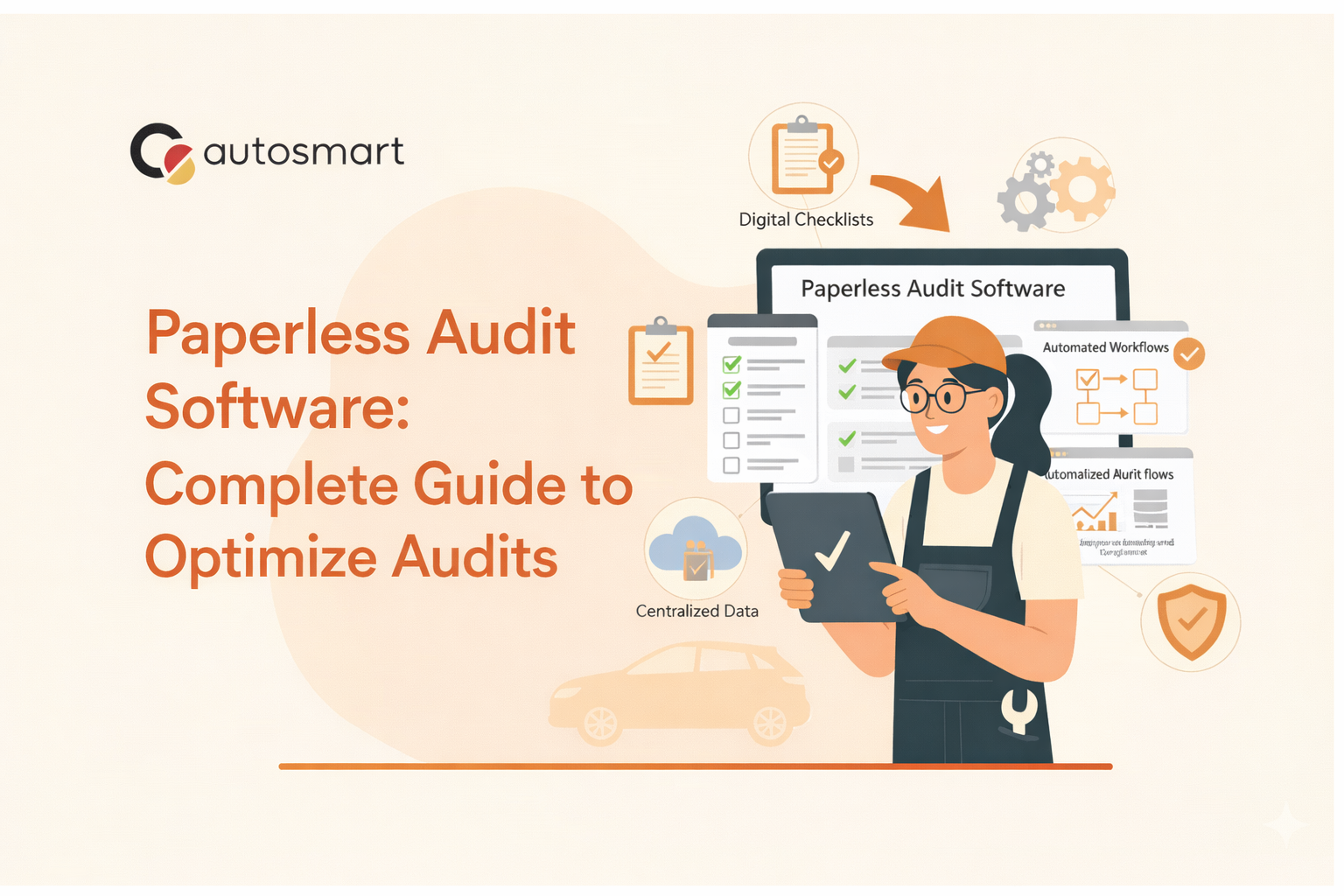
In automotive dealerships, audits fail because accountability is unclear. The dealership audits often highlight the same recurring issues: incomplete documentation, workshop safety gaps, pricing discrepancies, or outdated compliance records. The problem isn’t...
Audits are meant to bring clarity, control, and accountability. But when the audit process itself is slow or fragmented, the value of the audit is reduced. This is still common in organizations that rely on paper based audit systems. Files are printed, filled,...
Insurance carriers rely on body shops to act as the final touchpoint in the claims process. The repair experience shapes how policyholders judge the insurer’s reliability, fairness, and professionalism. When repairs are delayed, poorly executed, or misaligned with...
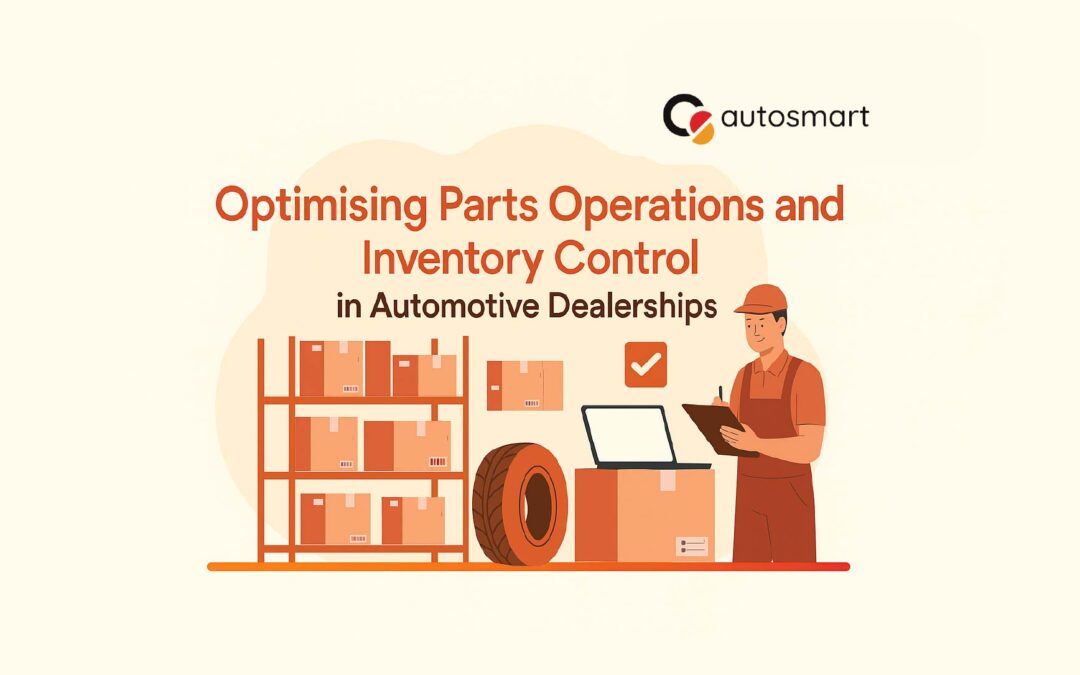
Parts operations and inventory control can make or break a dealership’s reputation in the automotive after-sales market of the GCC. When a customer’s vehicle is delayed due to a missing spare part, it results in lost time, lost revenue, and diminished trust. On...
Managing dealership audits manually is a recurring challenge for automotive networks aiming to maintain consistent service quality. Paper checklists, scattered records, and delayed feedback loops make it difficult for even the most organized operations to track...