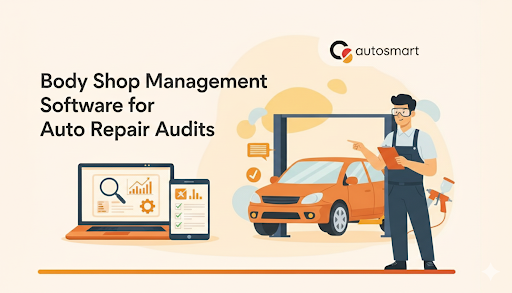
When a collision centre is busy, teams need to handle many repair orders. They must meet insurer requirements, follow OEM standards, and keep CSI scores high. All this while ensuring the shop floor runs smoothly. This is where body shop management software becomes essential for organizing daily operations.
Traditional systems manage job cards, estimates, parts, and invoicing. However, they often fail to ensure that every repair meets the same quality standard. This gap often appears during final inspections or customer delivery.
Audit driven workflows solve this problem. Collision centres can standardise vehicle checks. They can do this by using body shop management software and a dedicated audit layer before delivery. This makes quality control a consistent and repeatable process.
What is Body Shop Management Software?
Body shop management software helps organise tasks. It makes daily work easier in a collision repair or refinish workshop. It usually lets you create and track repair orders. You can give tasks to technicians, handle parts and labour, and verify delivery dates.
For many shops, it replaces whiteboards, spreadsheets, and disconnected tools with a single view of what’s in progress and what’s waiting. This improves visibility and helps teams avoid bottlenecks.
Most systems focus on workflow and billing. They often miss structured audits. They also overlook tracking non-conformities. Consistently enforcing OEM and insurer standards is often ignored too.
Why Collision Centers Need More Than Basic Management Tools
Even when a bodyshop has software in place, some familiar problems still show up. Repair quality often depends on who is working that day rather than on a standard process. OEM, dealer group, or network requirements may live in PDFs, emails, or training decks, not in the daily checks on the shop floor.
Many audits are still completed on paper or in Excel files that are hard to track and even harder to compare across sites. Management often sees problems. They usually notice them when customers complain, or when there’s rework or failed inspections.
Collision centres need a way to link structured audits with their body shop management software. This will help close the gap.
What is Bodyshop Audit Management Software?
Bodyshop audit management software brings order to quality checks. It ensures consistency in repair and refinish operations. Instead of relying on memory or paper, teams use digital checklists and audit templates tailored to the way their bodyshop works.
Auditors, supervisors, or team leaders can record findings, capture photos, and log non‑conformities at each stage of the repair. All results are stored centrally, so managers can see what is happening on the floor in real time.
A key advantage is configurability. AutoSmart’s bodyshop audit management software isn’t just a generic tool. It’s specifically made for the automotive industry and can be tailored to various needs. Dealer groups can reflect their own standard operating procedures. OEM programs can be mirrored with specific criteria and scoring.
Networks or accident damage management programs can enforce consistent audits across multiple sites. This software doesn’t replace your body shop management system. Instead, it adds an audit and quality control layer to your current job management.
Benefits of Adding Audit Management to Body Shop Software
Adding audit management to your body shop software brings many benefits beyond basic admin tasks:
Consistent Repair Quality
Every vehicle is checked using the same defined process. This is better than relying on personal judgement. This makes it easier to deliver a predictable standard of work, regardless of who is on shift.
Fewer Comebacks and Rework
This happens when structured audits catch issues early. This can be during disassembly, painting, reassembly, or final QC. Fixing problems before the vehicle gets to the customer or insurer cuts down on costly rework.
Stronger Compliance and Easier Inspections
Digital records with timestamps show checks. They also show findings and actions taken. They create a clear trail for OEM programmes and insurers. This also supports internal and external audits. This transparency ensures accountability and thoroughness.
Better Visibility for Managers and Fixed Ops Leaders
Dashboards and reports highlight which locations perform well. They show where standards are slipping and identify the most common defects. That makes it easier to target coaching and process improvements.
Better Customer Experience and CSI
When quality is consistently controlled, customers face fewer surprises. This builds their confidence in the bodyshop. As a result, CSI scores improve, leading to stronger customer retention.
Must‑Have Features in Bodyshop Audit Management Solutions
If you’re looking for a bodyshop audit management solution , keep these features in mind:
Customizable Digital Checklists
You can create and edit checklists to match OEM repair methods, dealer standards, or program rules. Updates should be easy to roll out across one or many locations from a central configuration.
Mobile‑Friendly Audits on the Shop Floor
Audits should be easy to complete directly next to the vehicle on a phone or tablet. The ability to add photos, comments, and defect categories on the spot reduces paperwork and speeds up reviews.
Configurable Scoring and Workflows
Not all checklist items are equal. A good system helps you set criticality. You can define pass/fail criteria. It also triggers follow-up tasks or action plans if audits fail or scores drop below a certain level.
Paneles de control en tiempo real
show managers key information. They can see audit completion rates, common findings, and trends right away. Filtering by site, department, time period, or program helps pinpoint where attention is needed.
Audit History and Evidence Trail
A full log of past audits, along with attachments and actions, helps in several ways. It simplifies preparation for external assessments. It also supports warranty or insurance talks and tracks how process changes affect outcomes over time.
Body Shop Management Software Free”: How Far Can Free Tools Go?
Many shops start by looking for “body shop management software free” to reduce costs or test digital tools before committing. Free or entry‑level solutions can be helpful for basic tasks such as simple job tracking, calendars, or task lists.
They may be enough for very small operations at the beginning of their digital journey. However, structured audit and quality management have different requirements. Configurable checklists match OEM and network standards. Multi-site visibility, role-based access, and reliable reporting are also included.
These features often exceed what free tools offer. When a shop needs to manage quality, compliance, and performance effectively, it often outgrows basic or free tools. At this point, a professional bodyshop audit management platform becomes necessary.
How Audit Management Works With Existing Body Shop Systems
A common worry is whether using audit management software will replace the current body shop management system. In most cases, the two work side by side. Think of it as a layered approach. Your current software handles important tasks.
It creates repair orders. It schedules technicians. It manages parts. It tracks delivery dates. Audit management software then adds a structured quality and compliance layer on top of that flow.
For example, a vehicle is entered into your body shop management system when it arrives. At key stages, like post-disassembly and pre-paint, specific digital audits begin. This happens after painting and during the final quality check in the audit platform.
The responsible person checks off each item on a mobile device, notes findings, and adds photos if needed. All this information is stored centrally and shown through dashboards and reports. This gives leaders a clearer view of process health than paper forms can provide.
Who Benefits Most From Bodyshop Audit Management?
Several roles inside and around a collision center see value when audit management is added to the body shop software mix:
- Bodyshop and collision centre managers ensure consistent execution across teams and shifts. They can rely on data instead of anecdotal feedback.
- Fixed ops directors and dealer groups can compare performance across locations. They can enforce common standards and spot where support or investment is needed.
- OEM and programme managers now feel more sure. They trust that approved bodyshops follow the rules and repair methods. This is supported by real evidence.
- Quality and compliance teams shift from using many spreadsheets and paper records to a single system. This system tracks audits, findings, and follow-up actions all in one place.
Everyone works from the same platform. This way, each stakeholder sees the information that matters to them, while sharing one source of truth.
Choosing the Right Body Shop Management and Audit Solution
When you evaluate body shop management software and audit tools together,this checklist will help you to find a better option:
- Can you customize checklists and audits to your own standards, OEM requirements, and program rules?
- Is the interface intuitive enough for teams to use on the shop floor without slowing down repairs?
- Does it support multi‑location roll‑out, user roles, and permissions so the right people see the right data?
- Are dashboards and reports available without exporting everything to spreadsheets?
- How quickly can you adapt to the system when standards or processes change?
- What kind of onboarding, training, and ongoing support is available to help your team adopt the solution?
A platform that scores high on these points will fit easily into daily tasks. It’s also more likely to bring the improvements you expect.
Turn Every Audit into an Advantage
Body shop management software is essential for organizing jobs, parts, and schedules, but it is only part of the picture. Adding audit-focused workflows creates a repeatable system for quality, compliance, and process control. It shifts from good intentions to consistent results. Configurable bodyshop audit management software lets each dealer, OEM program, or network embed its own standards directly into daily work.
If your collision centre is ready to go beyond basic job control, this is the next step for better visibility into quality and performance. Book a demo of our automotive bodyshop audit platform. See how digital checklists, mobile audits, and real-time dashboards can fit into your operation.

Naseef Umar es el fundador y director ejecutivo de AutoSmart Technology, una plataforma SaaS que digitaliza las auditorías para fabricantes de equipos originales, distribuidores y redes de concesionarios. Con experiencia previa en Toyota (Abdul Latif Jameel) y formación en TI y gestión industrial, escribe sobre auditorías, disciplina operativa y creación de productos SaaS para clientes empresariales de todos los mercados.