










Consistency is important for automotive OEMs managing vast dealer networks. A customer entering into a dealership in Chennai must receive the same quality of service, brand experience and operational professionalism that’s shown in a showroom in Delhi or Pune. That consistency is not random; it is developed and bolstered through a structured evaluation process like the dealer operating standards audit.
The audit of a dealer’s operating standards is the principal tool that OEMs use to measure, enforce and improve consistency across their entire dealer network. With Autosmart Audit, this becomes even easier. This blog covers everything OEMs and dealerships need to know about these audits, from what they are and why they matter to how they work.
What Is a DOS Audit?
A Dealer Operating Standards (DOS) audit is a formalised, structured process that the OEM or their approved third-party agents use to determine if a dealership is operating in accordance with the standards of the manufacturer. These standards cover everything from showroom presentation and sales processes to after-sales service, staff training, and customer communication. Implementing a robust DOS audit automotive strategy ensures the audit is holistic, as opposed to a financial or compliance-only review. It looks at the dealership’s:
- Physical space
- Customer interaction quality
- Document accuracy/verification
- Condition of equipment
- Types of processes performed by staff in each department
The DOS audit in the automotive ecosystem across all these segments has evolved over the years, from paper checklists to detailed digital assessments with Autosmart Audit, connected to powerful analytics that send data back to OEMs directly.
Why do OEMs Conduct DOS Audits?
OEMs invest billions in brand positioning and advertising. Each interaction a customer has with a dealership is an interaction with the brand. As soon as standards are allowed to slide, a service bay becomes cluttered. Maintaining a firm dealership compliance stance ensures these issues are caught before they impact the bottom line.
For example, if a salesperson skips key steps in the buying process or branding elements aren’t maintained, it diminishes customer trust and brand equity. DOS audits were created to protect that investment. The data from this audit empowers OEMs to spot underperforming dealerships, acknowledge excellence, drive continuous improvement across the network and deliver on the brand promise consistently.
Moving beyond protecting their brand, the audits also have a commercial aspect. Dealerships that routinely satisfy this criteria are more likely to have greater customer satisfaction ratings, higher retention statistics and stronger performance. Autosmart Audit’s work around dealer performance shows that structured audits drive better dealership performance metrics.
Key Areas Evaluated in a DOS Audit
Performing a regular dealer operating standards audit allows OEMs to monitor the following categories:
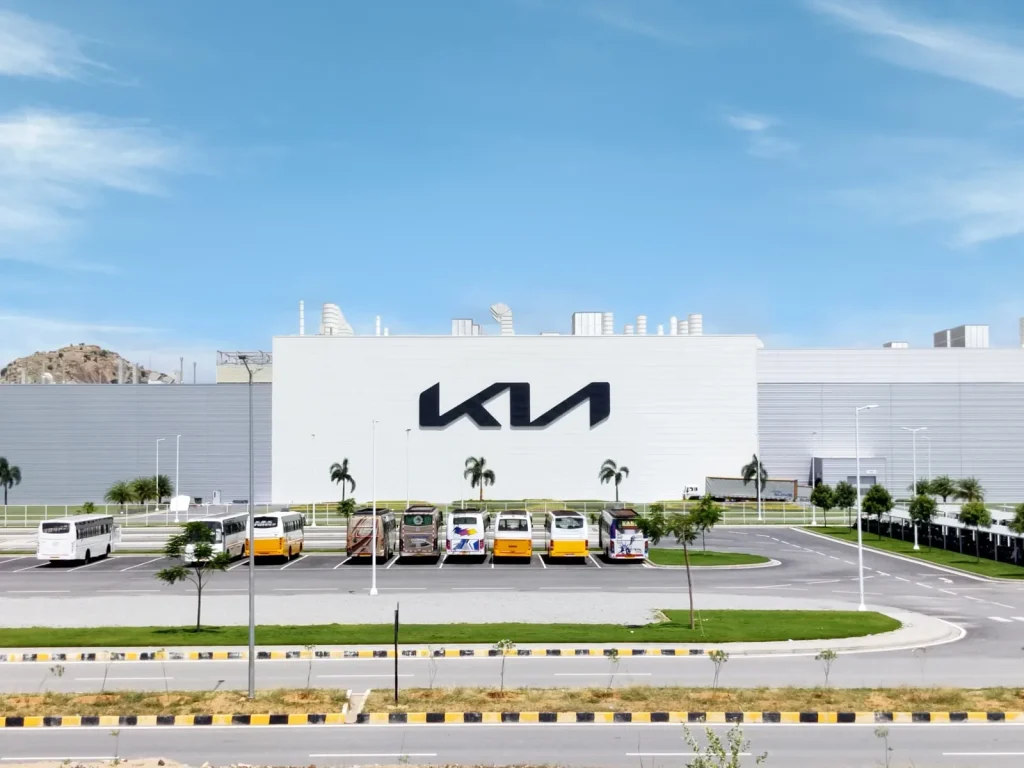
- Showroom and Facility Standards: This includes the dealership’s look, its signage, lighting, vehicle placement and cleanliness, and the layout prescribed by the brand. OEMs demand that the brand’s visual identity be accurately represented at every point of sale.
- Sales Process Compliance: OEM auditors determine if the sales staff are following the OEM-mandated sales process, such as needs assessment, product demos, test drive procedures and paperwork.
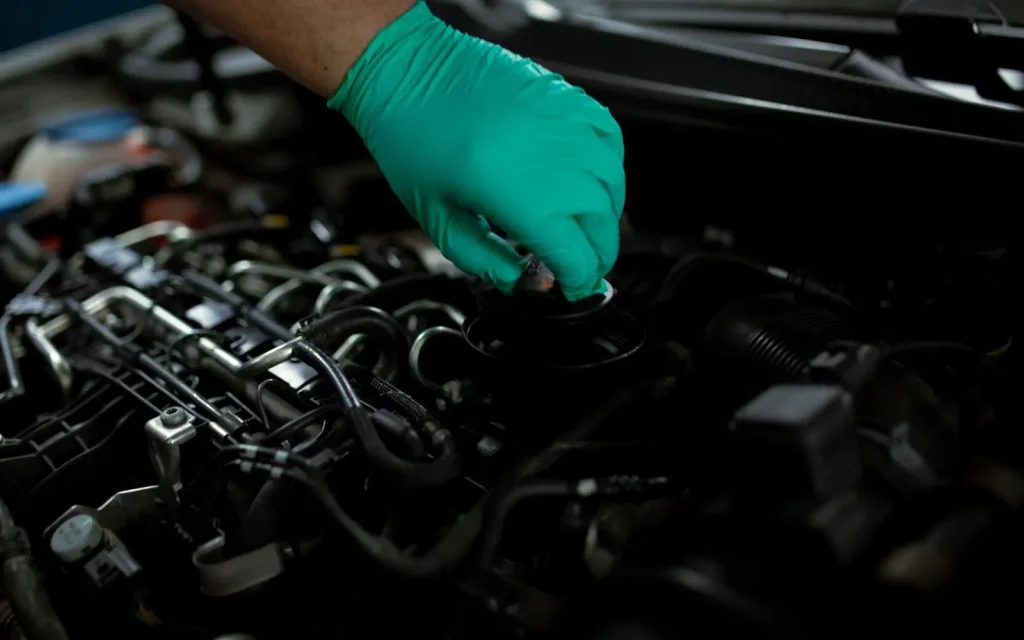
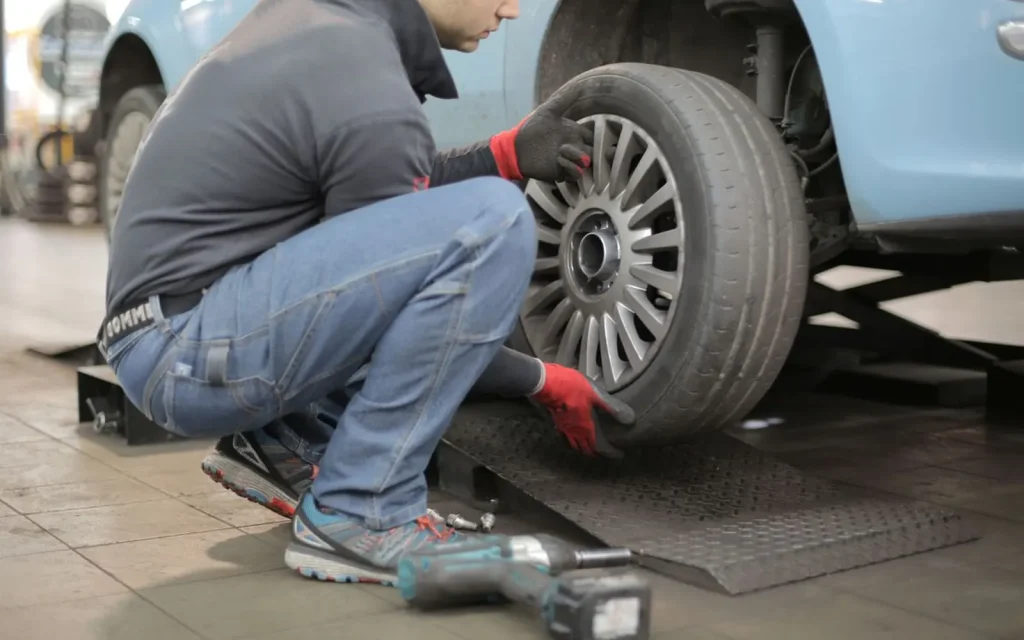
- After-Sales and Service Operations: These operations will be evaluated based on the level of workshop organisation, including the allocation of bays, the number of technicians’ certifications, parts control, and adherence to service time standards.
- Customer Experience: This section focuses on how staff engage with customers at each stage of the purchase and ownership journey. Evaluating feedback systems, complaint resolution protocols and follow-up processes.
- Training and Certification: Auditors check that sales consultants, service advisors and technicians have relevant OEM-mandated qualifications and applicable training programmes.
- Documentation and Reporting: Record-keeping needs to be in order. Auditors verify that invoices and warranty claims, as well as stock records and customer data, are kept properly and readily available.
For a complete overview of what is involved in assessing physical facilities, our OEM dealership infrastructure audit guide provides an extensive outline of how infrastructure and space are evaluated during an inspection.
How Does the DOS Audit Process Work with Autosmart Audit?
- Pre-Audit Preparation
They provide the audit frameworks and standards beforehand. This enables dealerships to self-evaluate and address deficiencies before the official review. OEM dealers have gradually embraced pre-audit readiness utilities that allow regional managers to take a proactive approach when working with their dealers, as part of an OEM dealer standards initiative.
AutoSmart Audit facilitates this process by providing digital self-assessment modules that sync directly with OEM frameworks, allowing dealers to upload preliminary evidence and track readiness before the official review begins.
- On-Site Evaluation
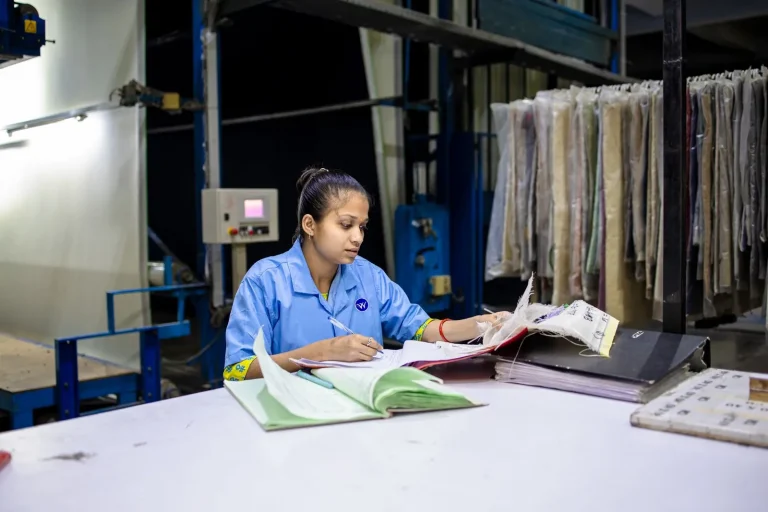
In this step, trained auditors visit the dealership and perform a structured walkthrough. A weighted scorecard is applied at each checkpoint. Photographs, documents, and system screenshots of evidence are collected to substantiate each finding.
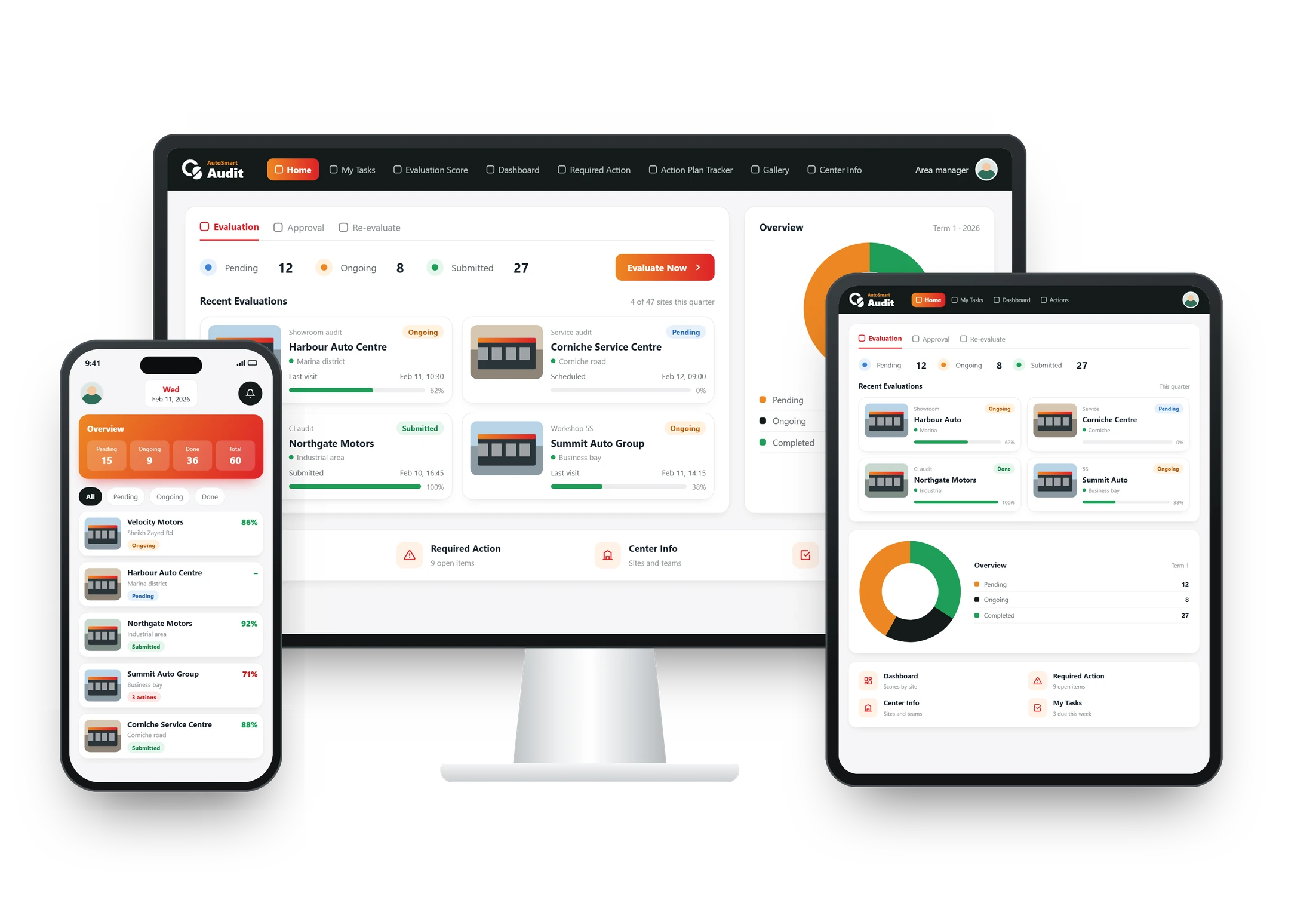
Using our mobile interface, auditors capture these photos and digital documents on the go, automatically tagging them to specific scorecard line items to ensure all evidence is organised and substantiated in real-time.
- Scoring and Reporting
Each evaluated area receives a score. The dealership is rated based on its overall score. They automatically generate reports from digital systems or compile them with team members from paper-based systems to provide a report to the dealership and relevant OEM stakeholders. AutoSmart Audit streamlines this by instantly aggregating field data into automated dashboards, generating comprehensive digital reports that are distributed to stakeholders immediately upon completion.
- Corrective Action and Follow-Up
If gaps are found, dealers are given corrective action plans (CAPs) with set timelines. Follow-up audits or desk reviews confirm that issues have been addressed. This stage is where the dealer operating standards audit provides its most quantifiable value, making insights actionable, not just as observations, but in measurable improvement.
Our platform automates the workflow by triggering automated notifications for outstanding tasks and allowing dealers to submit proof of resolution digitally for remote verification and final sign-off. Our OEM audit preparation blog is an essential read for OEM audit managers working with dealer networks and covers detailed guidance on preparing a dealership for an OEM audit.
Common Challenges OEMs Face When Running DOS Audits
There are significant operational challenges to launching a DOS audit programme across a large dealer network. If you are an OEM looking to implement or upgrade your audit standards framework, check out some of the best automotive OEM audit standards in practice.
- Scale and Frequency
OEMs usually have numerous dealership touchpoints. OEMs need extensive systems and well-trained auditor teams that schedule, conduct, and track these audits across a scale this wide, particularly when managing a large-scale OEM dealer standards programme in India.
- Data Inconsistency
When audits are performed on disconnected spreadsheets or paper-based forms, data quality builds up as an early challenge to overcome. Network-level comparisons should be avoided due to the fact that different auditors might interpret the criteria differently.
- Slow Corrective Action Cycles
Without real-time reporting and escalation workflows, dealerships are closing out corrective actions weeks or even months after a repair, which slows progress and limits the audit’s operational value.
- Dealer Resistance
Many dealers see audits as something punitive rather than developmental. OEMs that don’t articulate what audits are for or why they matter tend to get low engagement and box-ticking compliance. Outsized tools that go beyond manual tracking are necessary for managing dealership compliance standards at scale.
How Autosmart Audit is Changing DOS Audits?
Pressure to improve performance and the transition from paper-based audits to digital tools like Autosmart Audit have revolutionised how OEMs deliver their DOS programmes. Conducting a dealer operating standards audit via digital platforms yields real-time data collection, automated scoring, photo proof, and instant report generation.
No longer do regional managers sit idly by waiting for compiled audit reports for days; now, these managers have live dashboards to quickly visualise risk areas and track corrective actions across the network. Autosmart Audit also homogenises the audit experience. Auditors use the same checklist, and all evidence is entered into a common cloud so that data collected in one region can be directly compared with that from another.
Ready to Modernise Your DOS Audit Programme? Start Here!
One of the most powerful tools an OEM has at its disposal is the ability to protect brand equity, drive dealership performance and ensure a consistent customer experience across every touchpoint in the network. OEMs and dealerships can strategise audits together through Autosmart Audit. When executed effectively, communicated well, and enabled with Autosmart Audits, the dealer operating standards audit morphs from a regulatory box-checking exercise into a force for continuous improvement.

Naseef Umar es el fundador y director ejecutivo de AutoSmart Technology, una plataforma SaaS que digitaliza las auditorías para fabricantes de equipos originales, distribuidores y redes de concesionarios. Con experiencia previa en Toyota (Abdul Latif Jameel) y formación en TI y gestión industrial, escribe sobre auditorías, disciplina operativa y creación de productos SaaS para clientes empresariales de todos los mercados.