Original Equipment Manufacturers (OEMs) recognize that their relationship with consumers does not end when a vehicle leaves the assembly line. The local dealership becomes the primary, and in most cases, the only point of contact for sales and service.
In an effort to provide a consistent, safe, and premium experience for consumers worldwide, OEMs critically evaluate dealership facilities. OEMs can now effectively measure the level to which local dealerships meet global brand standards through the use of a comprehensive facility audit checklist. This way, consumers in a major metropolitan area are provided with the same quality experience as consumers in a small suburban area.
The Importance of Dealership Infrastructure in Brand Perception
When a potential buyer drives onto a dealership lot, their perception of the vehicle brand is immediately shaped by their surroundings. OEMs spend billions of dollars crafting a specific corporate identity, and the dealership facility is the physical manifestation of that identity.
If a brand promotes itself as a cutting-edge, luxury automaker but its local dealership features cracked pavement, outdated lighting, and a cramped showroom, the cognitive dissonance can drive the customer away instantly.
Therefore, OEMs conduct rigorous evaluations to ensure that the physical environment reflects the quality of the vehicles they sell. These evaluations assess structural integrity, aesthetic appeal, and operational flow, ensuring the facility enhances the customer journey rather than detracts from it.
How First Impressions and Exterior Evaluations Impact the OEM’s Brand?
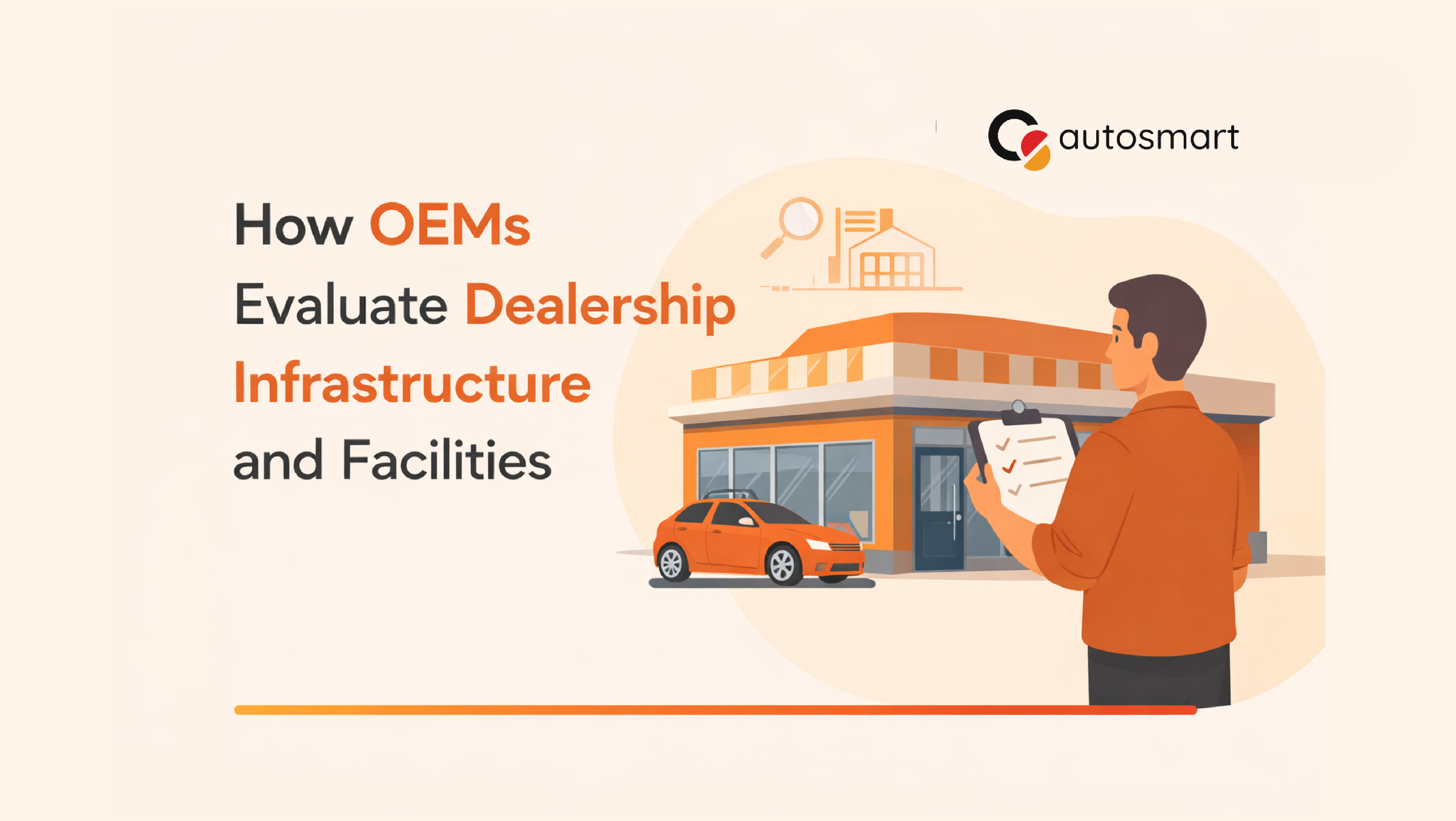
The evaluation process usually starts before the auditor even enters the dealership’s front door, as the outside of the dealership is a major factor in its curb appeal and initial customer confidence level. The following are some of the things that are closely evaluated during a dealership audit.
- Property Condition: The condition of the parking lot and the dealership’s landscaping is evaluated to ensure that the environment is conducive.
- Brand Identity: The condition and visibility of the corporate signage are closely evaluated to ensure that they meet the expected standards.
- Inventory Presentation: The presentation of the new and used vehicle inventory is evaluated to ensure that the inventory is laid out in a manner that meets the corporate standards.
- Structural Integrity: In order to ensure that these high standards are maintained, a building inspection checklist is usually utilized to ensure that all aspects of the dealership’s infrastructure are functioning correctly, from the condition of the building’s exterior painting to the structural soundness of the roof and entryways.
Regular evaluations of these exterior elements ensure the dealership remains an inviting, professional environment that attracts foot traffic and builds immediate confidence in the brand. If you want to understand the full scope of these exterior and structural assessments, explore our blog on how OEMs conduct dealership infrastructure audits.
The Showroom Experience and Interior Layout Audit
Upon entering the showroom, the attention turns to the showroom, the heart of the dealership’s selling process. The OEM checks the interior design for maximum visibility of the vehicles and a logical flow for the consumer.
- Aesthetic Quality: The floor tiles, lighting quality and intensity, and color temperature are checked.
- Merchandising & Furniture: The display of the marketing materials is checked, and the alignment of all the furniture from the reception desk to the lounge chairs is checked against the manufacturer’s design catalog.
- Digital Compliance: The OEM can quickly record non-compliance with the interior design by snapping a photo of the obsolete promotion banners with the help of a digitized Primary facility audit checklist.
This strict adherence to interior design protocols is vital for maintaining a unified corporate image. For a deeper look into how interior aesthetics tie into global branding, take a look at our blog on Brand Retail Identity (BRI) Audits, which highlights the strategies used to harmonize dealership interiors worldwide.
Evaluating Service Centers and After-Sales Facilities
While the showroom is intended to sell the first car, the service department is intended to sell the next five. OEMs put an incredibly high premium on back-of-the-house operations because after-service is one of the largest contributors to dealership profitability.
- Operational Cleanliness: The auditors will review the service drive organization and the condition of the technician bays.
- Safety & Tooling: The evaluations will include the safe storage of specialized tools and dangerous substances to provide a highly functional environment.
- Facility Readiness: A site inspection checklist and a Primary facility audit checklist are used to ensure that the parts department is well-organized and that customer amenities, such as clean bathrooms, free Wi-Fi, and comfortable seating, are provided.
- Technical Integration: The OEMs will review the service technologies to ensure that the dealership is equipped with the proper diagnostic tools necessary to maintain today’s highly computerized vehicles.
Future-Proofing and Driving Compliance through Technological Integration
As the automotive industry evolves towards electric vehicles (EVs) and connected cars, dealership infrastructure requirements are changing rapidly. Managing these evaluations across thousands of independent franchisees is a monumental task, but it is one that a digitized Primary facility audit checklist is specifically designed to handle.
- EV Readiness and Infrastructure: OEMs now evaluate facilities based on their readiness for the future. This includes verifying the installation of high-capacity EV charging stations and the availability of specialized battery repair bays.
- Robust IT Foundations: Auditors ensure the dealership has the bandwidth and physical space to support internal IT infrastructure, guaranteeing a frictionless experience for tech-savvy consumers.
- Digital Integration: A modern showroom must seamlessly integrate digital kiosks, tablet-based sales tools, and high-definition display screens. AutoSmart Audit allows inspectors to instantly verify and document the functionality of these tools.
- Incentive-Based Compliance: To standardize this process, OEMs bundle these requirements into comprehensive dealer excellence or incentive programs. These frameworks define the exact physical and operational standards required to earn financial bonuses or achieve elite dealer status.
- Standardizing Excellence: By tying facility compliance to financial incentives, OEMs motivate dealership owners to invest in continuous upgrades. AutoSmart Audit provides the robust evaluation framework needed to offer transparent, actionable feedback to dealer principals.
- Rewarding Top Performance: To see how these overarching frameworks dictate facility standards and reward top-performing locations, you can review the structure of a standard Dealer Excellence Program OEM Framework.
Achieve Excellence in OEM Audits with AutoSmart Audit
The physical dealership remains the ultimate proving ground for automotive brands. OEMs’ assessment of dealership infrastructure and facilities directly affects consumer trust, sales success, and long-term brand loyalty. From the brightness of the exterior signage to the cleanliness of the service bays, and from the latest technology in EV integration to every square foot of a dealership, a comprehensive approach to a robust audit checklist enables OEMs to not only ensure operational efficiency within their dealership network but also provide a premium, consistent, and immersive brand experience that today’s automotive consumer expects and demands.
Preguntas frecuentes
Why are facility audits important for automotive dealerships?
Facility audits are important for maintaining global standards in local dealership infrastructure, hence protecting the manufacturer’s reputation.
What factors do OEMs consider when evaluating dealership infrastructure?
Exterior curb appeal, dealership interior, service bay cleanliness, technology, and brand identity compliance are considered when evaluating dealership infrastructure.
How often should dealership facilities be inspected by OEMs?
Quarterly or bi-annual inspections are conducted for dealership infrastructure, but this may be higher in cases where the dealership has high volumes or renovations.
What tools help streamline infrastructure and facility audits?
Cloud-based auditing software and mobile apps are available to help in facility audits.

Naseef Umar es el fundador y director ejecutivo de AutoSmart Technology, una plataforma SaaS que digitaliza las auditorías para fabricantes de equipos originales, distribuidores y redes de concesionarios. Con experiencia previa en Toyota (Abdul Latif Jameel) y formación en TI y gestión industrial, escribe sobre auditorías, disciplina operativa y creación de productos SaaS para clientes empresariales de todos los mercados.