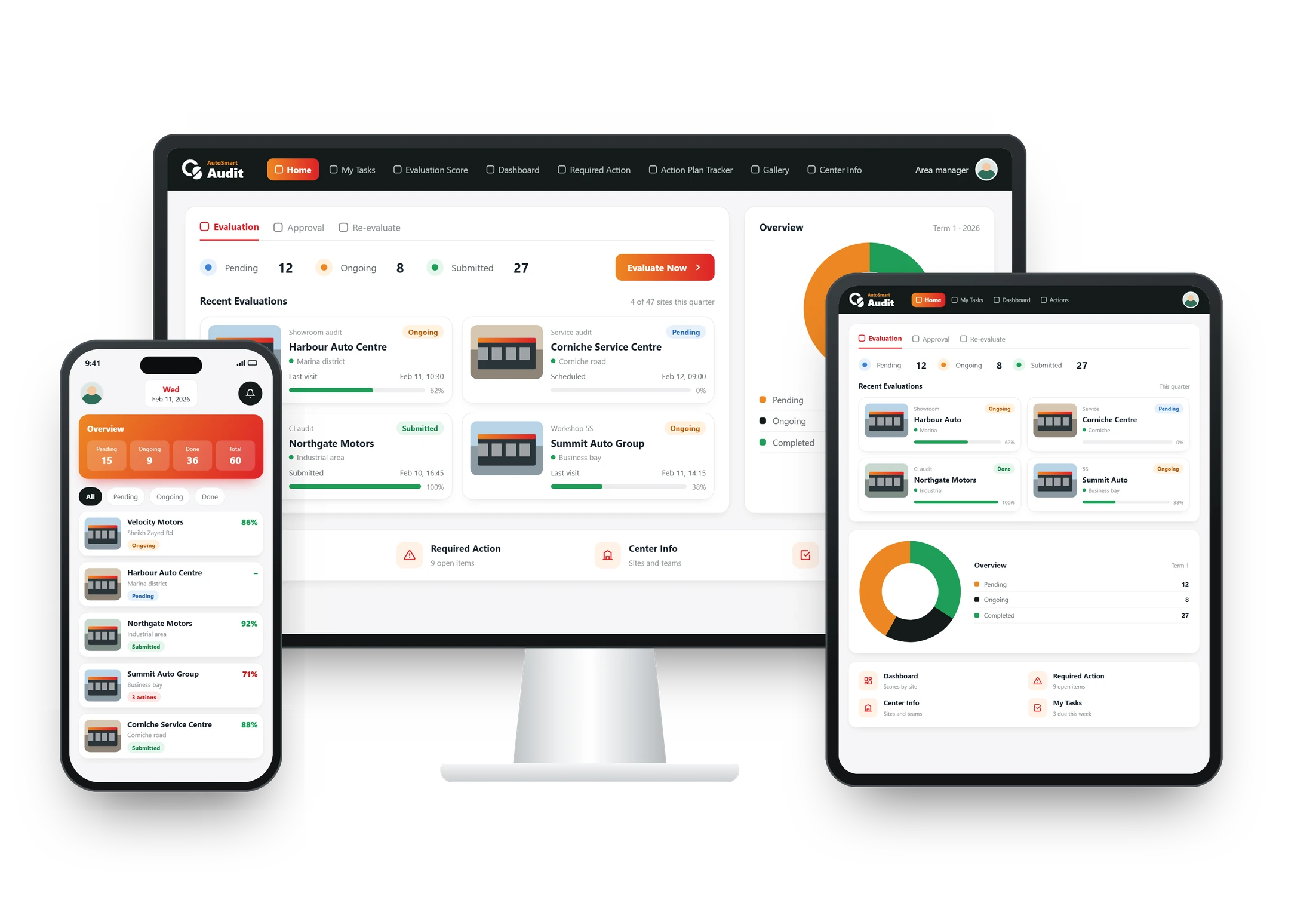















Digital CAPA system dashboard for dealership audits

How a Digital CAPA Management System Reduces Recurring Dealership Issues

Compartir:

In automotive dealership networks, recurring audit findings are more than just routine observations, they are clear warning signs. When the same operational gaps appear across multiple audit cycles, it indicates that the underlying issue has not been resolved at its root.

This is where CAPA management becomes critical. A weak CAPA process does not just delay resolution, it allows inefficiencies, compliance risks, and operational inconsistencies to persist across dealerships.

For automotive brands aiming to maintain consistent standards, recurring issues reflect a deeper structural problem: the absence of a robust and trackable CAPA system.

Why Manual CAPA Tracking Fails

Disconnected Systems Create Data Silos

Many dealerships still rely on spreadsheets, emails, and manual follow-ups to track CAPA actions. This may seem manageable in small scale industries, it quickly becomes ineffective across larger networks.

When data is filed across numerous files and communication channels, there is no single source of truth. This fragmentation leads to missed updates, duplication of effort, and poor visibility.

Limited Visibility Slows Decision-Making

Without a centralized system, management lacks real-time insight into the status of corrective actions. Questions like Which issues are still open? or Which branches are underperforming? often require manual consolidation of data.

This delay not only affects decision-making but also increases the risk of unresolved issues carrying forward into future audits.

Weak Escalation Impacts Accountability

Manual tracking systems rarely support structured escalation. When actions are delayed, there is no automatic mechanism to notify higher management or enforce accountability.

As a result, overdue tasks remain unnoticed, and responsibility becomes unclear, leading to recurring compliance failures.

Reporting Gaps Limit Strategic Insights

Manual CAPA processes lack advanced reporting capabilities. Without consistent data analysis, organizations cannot identify patterns, recurring problem areas, or systemic weaknesses.

How a Digital CAPA System Creates Operational Control

A digital CAPA management system, such as the one offered by AutoSmart Audit, transforms how dealerships handle corrective and preventive actions. It introduces structure, visibility, and accountability into every stage of the process.

Centralized Action Repository for Better Control

A digital platform consolidates all CAPA actions into a single, structured repository. Every issue, action plan, and update is recorded in one place.

This centralization eliminates confusion and allows stakeholders to access accurate information.

Real-Time Dashboards Improve Visibility

The most significant advantage of a digital CAPA system is real-time visibility. Management dashboards provide instant access to critical metrics, including:

  • Open CAPA count
  • Overdue actions
  • Branch-level compliance
  • Department performance

This transparency enables faster decision-making and ensures that no issue goes unnoticed.

Automated Escalation Drives Timely Action

Digital CAPA systems introduce automated escalation workflows. When actions are overdue, notifications are triggered and reported to higher levels.

This ensures that delays are addressed promptly and accountability is maintained across all levels of the organization.

Evidence-Based Closure Ensures Real Compliance

A key weakness of manual CAPA processes is superficial closure, where actions are marked complete without proper verification.

Digital systems address this by enforcing evidence-based closure. Actions can only be closed after:

  • Photo documentation is submitted
  • Re-inspections are completed
  • Manager validation is provided

This ensures that corrective actions are genuinely implemented, not just recorded.

Root Cause Tracking Prevents Recurrence

Identify Patterns Across Dealerships

A digital CAPA system enables structured categorization of issues, allowing organizations to track:

  • Issue types
  • Departments involved
  • Frequency of occurrence
  • Historical trends

This data-driven approach helps identify recurring patterns that may not be visible through manual tracking.

Shift from Reactive to Preventive Action

For example, if multiple dealerships report similar compliance gaps, it may indicate a need for process improvement, training, or policy updates.

By focusing on root causes rather than symptoms, organizations can reduce the likelihood of recurrence.

Strengthening Dealer Accountability Through Transparency

Performance Becomes Measurable

Transparency is a powerful driver of accountability. With digital dashboards, dealership performance is no longer subjective, it is measurable and comparable.

Branches can be evaluated based on:

  • CAPA closure rates
  • Timeliness of action
  • Compliance scores

Visibility Encourages Proactive Behavior

When dealerships know their performance is being monitored in real time, they are more likely to take proactive steps to resolve issues.

This shift from reactive to proactive behavior plays a crucial role in reducing recurring audit findings.

Financial and Operational Impact of Strong CAPA

Reduced Rework and Operational Inefficiencies

Recurring issues often lead to repeated efforts, wasted resources, and operational delays. By addressing root causes effectively, digital CAPA systems minimize rework and streamline operations.

Improved Compliance and Safety Standards

Consistent CAPA management ensures that compliance gaps are resolved thoroughly. 

Enhanced Customer Experience

Operational consistency directly affects customer satisfaction. When dealerships function efficiently and adhere to standards, customers experience better service quality.

Lower Risk of OEM Escalations

For automotive networks, unresolved issues can escalate to original equipment manufacturers (OEMs), affecting brand reputation and relationships.

A structured CAPA system reduces this risk by ensuring timely and effective resolution of audit findings.

Long-Term Profitability and Stability

By improving operational efficiency, reducing risks, and enhancing accountability, digital CAPA systems contribute to long-term business stability and profitability.

Conclusion: Eliminate Recurring Issues with Digital CAPA

Recurring dealership issues are not inevitable, they are preventable. The key lies in adopting a structured and technology-driven approach to corrective and preventive action management.

A digital CAPA system brings together centralized control, real-time visibility, automated escalation, and evidence-based closure. More importantly, it enables organizations to address root causes and build a culture of accountability.

For automotive networks, this means fewer recurring audit findings, stronger compliance, and more consistent operational performance.

Take the Next Step Toward Operational Excellence

If your dealership audits continue to reveal the same issues cycle after cycle, it’s time to rethink your CAPA approach.

A structured digital CAPA management system from AutoSmart Audit can help eliminate recurrence, improve accountability, and restore operational discipline across your network.

Blogs recientes