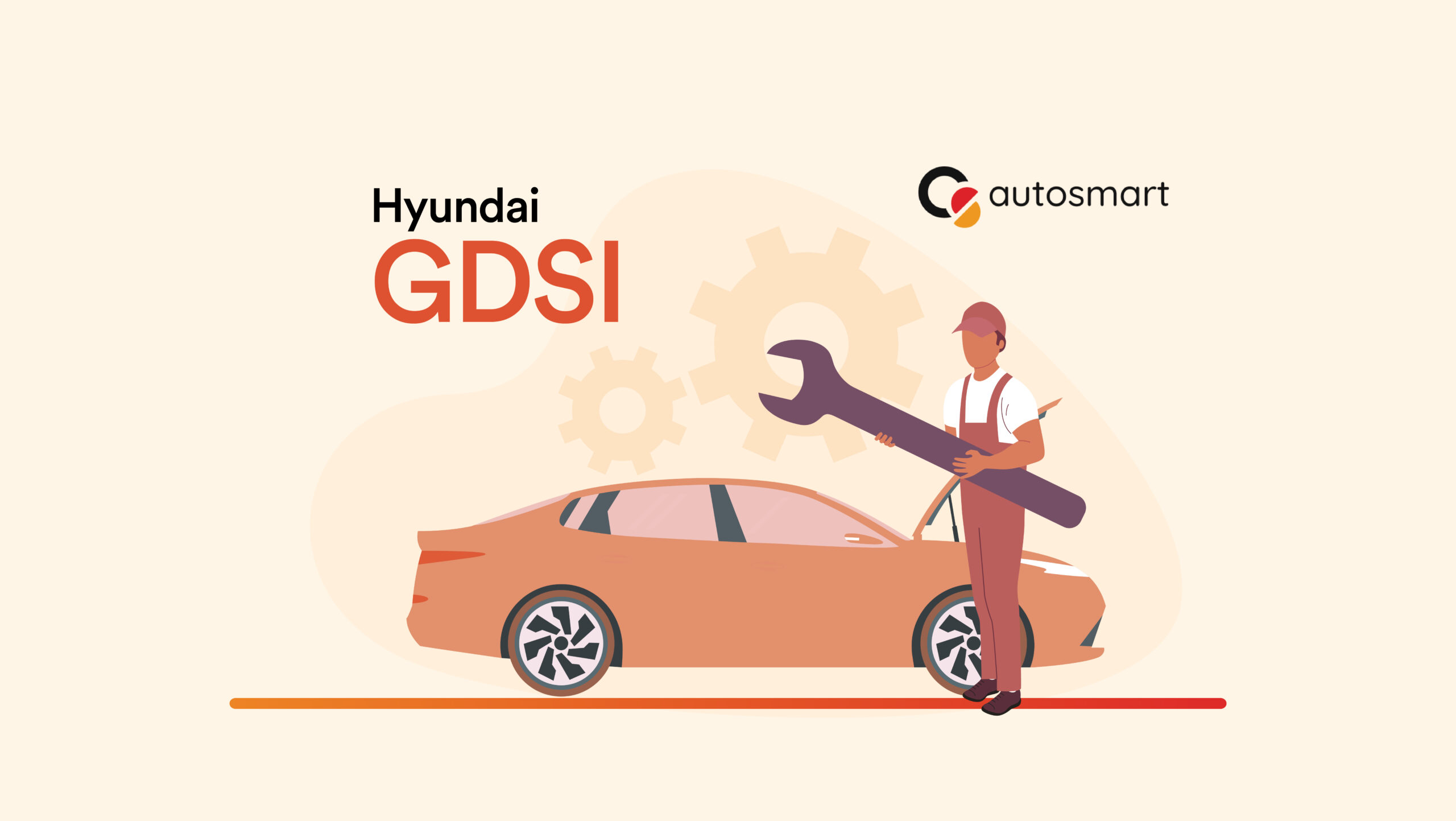
Hyundai’s Global Dealership Space Identity (GDSI) is a global initiative aimed at creating a consistent and customer-focused experience across all Hyundai dealerships. The updated GDSI 2.0 version builds on this vision by emphasizing modern design, digital integration, and comfort for both sales and service environments.
To help dealerships maintain these high standards, AutoSmart Audit can be used as a dealer audit management tool to monitor, assess, and manage service quality effectively.
What is Hyundai GDSI?
Hyundai GDSI is a global program that defines how Hyundai dealerships should present themselves to customers. It focuses on delivering a professional, inviting, and technology-enhanced atmosphere across locations.
GDSI 2.0 includes improvements in showroom design, layout, and customer interaction. It is structured to help dealerships present a clean, modern look while offering an engaging customer experience aligned with Hyundai’s global brand identity.
Core Elements of Hyundai GDSI 2.0
Modern Exterior Design
GDSI showrooms feature a clean, glass-focused exterior that provides visibility into the showroom. This approach helps attract attention and promotes openness and accessibility.
Welcoming Customer Areas
Customers are welcomed in a comfortable lounge area near the entrance. These zones are designed to create a positive first impression and improve the flow of customer visits.
Dedicated Consultation Rooms
Dealerships include private consultation areas where customers can speak with staff in a quiet and focused setting. These spaces are designed for privacy and customer confidence during discussions.
Interactive Product Displays
Vehicles are showcased in themed display areas. Customers can learn about new models, electric vehicles, and technology features in a more engaging way than standard car displays.
Technology Integration
Digital kiosks, touchscreens, and vehicle configuration tools are available in many locations. These features allow customers to explore vehicle options at their own pace.
Comfortable Waiting Areas
Service lounges are equipped with comfortable seating spaces. In some dealerships, customers may be able to view their vehicle in the service bay through interior glass panels, adding transparency to the process.
How AutoSmart Audit Supports GDSI Compliance
AutoSmart Audit helps dealerships manage and uphold brand standards across their facilities. It is a digital tool that streamline compliance monitoring and daily operational checks.
Facility Review Checklists
Dealership teams can use digital checklists to regularly verify the appearance and functionality of key areas.
Routine Maintenance Planning
AutoSmart Audit helps schedule reminders for general maintenance of showroom features and equipment, supporting long-term quality and functionality.
Customer Experience Tracking
Audits can include questions related to customer interaction and service quality. This helps managers identify areas to improve and ensures consistent service delivery.
Training and Oversight
The platform includes features to help staff understand standards and correct procedures. Managers can review trends and take action based on data from multiple audits.
Conclusión
Hyundai’s GDSI 2.0 sets a clear benchmark for dealership presentation and customer service. AutoSmart Audit offers structured tools that help maintain these standards through regular assessment, planning, and staff engagement.
By combining the design excellence of Hyundai GDSI with the operational support of AutoSmart Audit, dealerships can consistently deliver a professional and customer-focused environment.
Disclaimer
This blog is for informational purposes only. AutoSmart Audit is not affiliated with, endorsed by, or officially associated with Hyundai or its Global Dealership Space Identity (GDSI) program. All references to Hyundai GDSI are based on publicly available information and general automotive dealership practices.
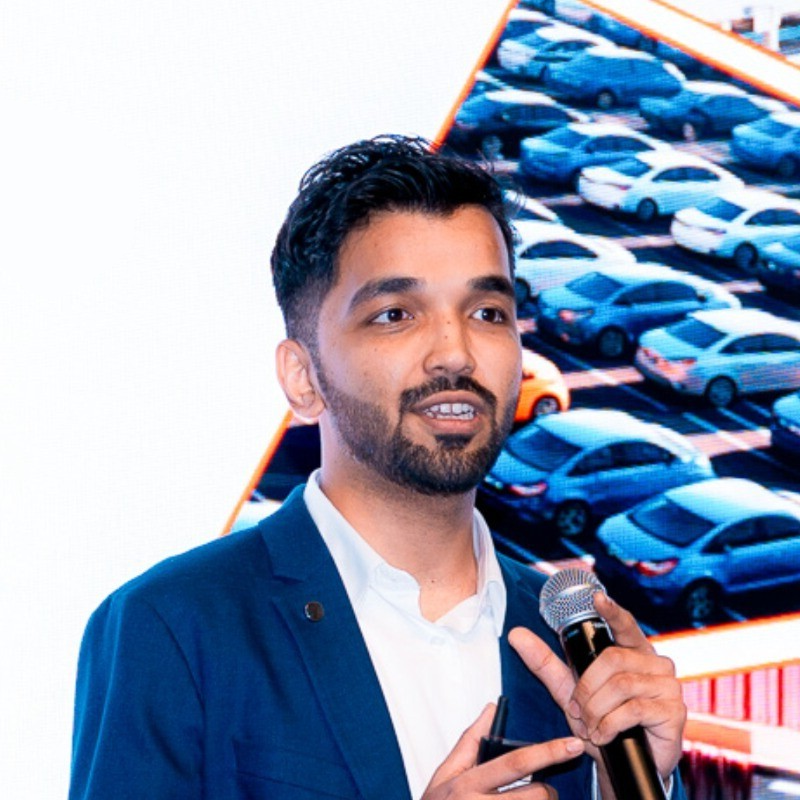
Naseef Umar es el fundador y director ejecutivo de AutoSmart Technology, una plataforma SaaS que digitaliza las auditorías para fabricantes de equipos originales, distribuidores y redes de concesionarios. Con experiencia previa en Toyota (Abdul Latif Jameel) y formación en TI y gestión industrial, escribe sobre auditorías, disciplina operativa y creación de productos SaaS para clientes empresariales de todos los mercados.