

NIADA 2026, taking place June 21–24, 2026, at Colorado, points to four major shifts in dealer audit trends. The event’s education agenda suggests that dealerships will increasingly treat compliance as a year-round activity, place greater emphasis on documentation, strengthen evidence collection practices, and use audits as tools for operational improvement rather than simple oversight. These themes provide a practical view of the future of dealer audits for dealer groups preparing for growing regulatory and operational expectations.
Key Takeaways
- Compliance programs are moving from annual reviews to ongoing audit cycles.
- Documentation requirements are becoming a larger part of dealership audit programs.
- Audit evidence standards continue to rise across dealership operations.
- Dealer groups are using audit data to improve consistency and performance.
What is NIADA 2026?
NIADA 2026 is the annual convention and expo hosted by the National Independent Automobile Dealers Association. According to NIADA, attendees will have access to dealer-led sessions, networking opportunities, and specialized learning tracks that include compliance-focused content. The convention serves independent dealers, dealer groups, finance companies, and industry service providers.
Why Audit Discipline Is the Quiet Theme of This Year’s Agenda
While much of the attention around NIADA 2026 centers on AI, marketing, inventory, and dealer growth strategies, another theme appears throughout the education lineup: accountability.
Sessions focused on FTC Safeguards requirements, collections compliance, tax-related risks, and operational controls all point toward the same expectation. Regulators, lenders, and business partners increasingly expect dealerships to demonstrate how processes are being followed.
Describing a policy is no longer enough. Organizations must show evidence that procedures are being completed consistently across locations.
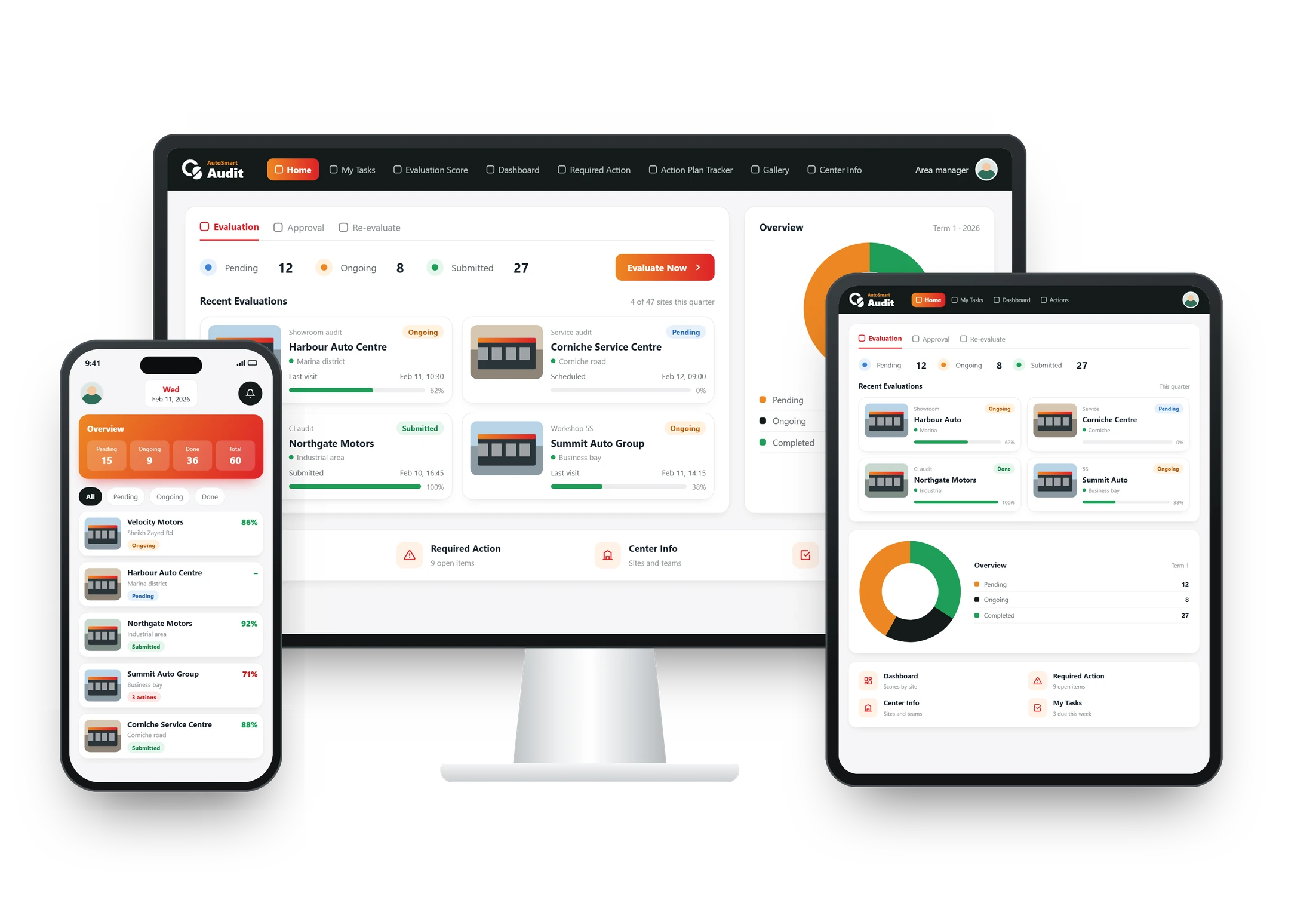
That requirement is where audit programs become valuable. A structured internal audit program helps dealer groups verify operational consistency, identify gaps early, and maintain documentation that supports management decisions.
At AutoSmart Audit, one pattern appears repeatedly across large dealer networks: locations often believe they are following the same process until an audit reveals multiple versions of the same procedure. Standardized audits help close that gap before it creates larger operational issues.
Signal 1: Compliance Is Moving From Annual Event to Operating Rhythm
The strongest signal from NIADA 2026 is that compliance is becoming an ongoing operational responsibility rather than a yearly project. NIADA continues to invest in compliance education and year-round training opportunities for dealers.
For dealer groups, this shift changes how audits should be scheduled.
Annual reviews may identify issues after they have already affected multiple locations. Quarterly audit cycles create more opportunities to verify processes, review documentation, and address inconsistencies before they spread.
A practical approach begins with a standardized dealership audit checklist that applies across every rooftop. When every location is evaluated against the same criteria, leadership gains a clearer picture of operational performance.
Recurring audit schedules often create stronger accountability than large annual reviews. Smaller reviews completed throughout the year are easier for locations to maintain and easier for leadership teams to compare.
For dealer groups evaluating their audit frequency, quarterly reviews supported by consistent documentation standards are becoming the new baseline.
Signal 2: Documentation Standards Are Getting Harder to Ignore
Compliance-focused sessions at NIADA 2026 are another indicator of changing audit priorities. Across multiple topics, dealerships are increasingly expected to demonstrate that policies, procedures, and controls are documented and consistently followed.
This does not mean dealerships need more paperwork for its own sake.
It does mean that audit programs increasingly verify whether required documentation exists, remains current, and supports operational processes across locations.
Examples include:
- Policy acknowledgements
- Training records
- Vendor documentation
- Inspection records
- Corrective action logs
A standardized audit program helps locations verify that records are complete, consistent, and available when needed.
As the future of dealer audits continues to evolve, documentation quality will remain a key measure of operational readiness.
Signal 3: “I Didn’t Know” Is No Longer a Defense
Compliance-related education at NIADA 2026 reinforces a simple reality: expectations are rising across dealership operations.
When questions arise during reviews, examinations, or disputes, companies are expected to provide evidence.
That is why documentation standards continue to become more important.
Dealer groups increasingly rely on:
- Time-stamped audit records
- Photo-backed findings
- Geo-tagged inspections
- Standardized corrective action tracking
- Digital audit histories
These records help create a reliable audit trail that supports operational consistency.
At AutoSmart Audit, one recurring pattern across dealer networks is that locations with stronger documentation practices spend less time reconstructing events after an issue occurs.
Signal 4: Audits Are Shifting From Policing to Performance
NIADA’s dealer-led education model reflects another important shift. Dealers are increasingly learning from peers who have developed repeatable operational practices across their organizations.
That same mindset is changing how audits are used.
Instead of treating audits as inspections designed to identify mistakes, many dealer groups use audit data to measure consistency, compare locations, and support coaching efforts.
Audit scores can help leadership teams identify top-performing locations and share successful practices throughout the organization.
When audit data is shared consistently across locations, managers gain visibility into trends that might otherwise remain hidden.
Groups that adopt this approach often find that audits become part of operational management rather than a separate compliance exercise.
A Self-Audit Checklist for Multi-Location Groups
Before attending NIADA 2026, dealer groups can conduct a simple self-assessment.
1. Review Audit Consistency
Compare audit processes across every location and identify differences.
2. Standardize Checklists
Use a single dealership audit checklist for all locations whenever possible.
3. Evaluate Documentation Quality
Verify that records are current, complete, and accessible.
4. Examine Corrective Action Tracking
Confirm that findings are assigned, monitored, and resolved.
5. Assess Reporting Visibility
Ensure leadership can compare results across locations using consistent metrics.
Book a 20-minute demo with AutoSmart Audit.
See how dealer groups manage multi-location dealership audits, standardize documentation, and gain visibility across every rooftop using a consistent audit process.
Running audits for your dealer clients? Talk to us today about partnering.
FAQs
What is NIADA?
NIADA is the National Independent Automobile Dealers Association. It provides education, advocacy, networking opportunities, and industry resources for independent automobile dealers.
When is NIADA 2026?
NIADA 2026 takes place June 21–24, at the Gaylord Rockies Resort & Convention Center in Colorado.
How do multi-location dealer groups standardize audits?
Start with a common checklist. Dealer groups standardize audits by using shared audit criteria, consistent scoring methods, centralized reporting, and uniform documentation requirements across all locations. This approach improves visibility and comparability across rooftops.
What should a dealership audit checklist include?
Include operational, documentation, and compliance categories. A strong dealership audit checklist should cover process verification, documentation reviews, corrective action tracking, safety observations, operational controls, and location-specific audit evidence requirements.
Sources: All NIADA 2026 event facts, dates, venue details, and dealer-led education references were verified from the official NIADA website.