For most collision repair facilities, insurance companies are the primary source of steady repair volume. Direct Repair Programs (DRPs), preferred shop lists, and insurer referrals often determine how full your schedule stays month after month. But that steady flow of work comes with strict expectations.
Insurance carriers closely monitor how your shop estimates damage, documents repairs, communicates with customers, and completes jobs within approved timelines. When those expectations are missed, the impact is immediate: slower approvals, payment delays, lower customer satisfaction scores, and sometimes removal from referral programs.
Many shop owners feel this pressure daily but lack a clear way to measure whether their internal processes truly align with insurer requirements. This is where a structured body shop audit becomes essential as a business safeguard.
The Insurance Role in Body Shop Operations
Understanding the insurance role in body shop operations is critical to long-term success. Insurers influence nearly every stage of the repair process, whether shops acknowledge it or not.
Repair volume is often dictated by insurer relationships. Shops that meet carrier benchmarks receive more claim assignments, while those with recurring issues see work decline quietly over time.
Repair methods are also shaped by insurer guidelines. From parts selection to repair versus replace decisions, insurers expect consistency with approved procedures. Deviations without proper documentation can trigger estimate rejections or supplements that drag on for weeks.
Payment timing hinges on compliance. Accurate estimates, proper photos, and complete documentation allow claims adjusters to approve repairs quickly. Missing details slow everything down.
Customer satisfaction metrics are tracked closely. Insurers rely on CSI scores to judge whether a shop protects their brand experience. Poor communication or unresolved delays often reflect back on the carrier.
When any of these areas break down, profitability and insurer trust suffer.
How Claims-Driven Repair Processes Shape Daily Work
A claims-driven repair process means your workflow must align with how insurers review, approve, and pay claims. This affects more than paperwork, it changes how your entire team operates.
Estimators must write detailed, defensible estimates from the start. Technicians must follow approved procedures and document their work. Front-office staff must keep customers informed in ways insurers expect. Managers must track cycle times and justify delays.
Without regular review, small issues multiply. An unclear photo here, a missing labor note there, or an undocumented delay can snowball into repeated supplements, payment disputes, and frustrated customers. Over time, these patterns signal risk to insurers, even if repair quality itself is strong.
Why a Body Shop Audit Is Necessary
A body shop audit is not about blame or micromanagement. It is about visibility. Shops that audit their processes consistently know where they stand before insurers point out problems.
Audits help answer hard questions:
- Are estimates being written the same way across all staff?
- Are insurer-required photos captured every time?
- Are delays recorded with clear explanations?
- Are parts choices properly justified and approved?
Without auditing, these questions rely on guesswork. With auditing, they rely on data.
Key Areas Every Insurance Process Audit Should Cover
An effective insurance process audit focuses on the areas insurers review most closely.
- Documentation Accuracy
- Cycle Time Management
- Parts Compliance
- Customer Communication and CSI Tracking
The Cost of Not Auditing Your Processes
Shops that skip regular audits often experience problems without understanding why.
- Claims approvals take longer than competitors.
- Payment disputes increase.
- Insurer confidence erodes quietly.
- Referral volume declines without warning.
How AutoSmart Audit Solves the Visibility Problem
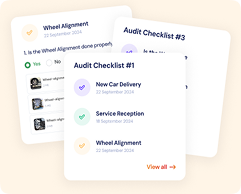
AutoSmart Audit is designed for collision repair businesses dealing with insurer-driven expectations. Rather than generic checklists for operations, AutoSmart Audit focuses on real-world insurance compliance and performance metrics.
The platform allows shops to:
- Review repair files against insurer standards
- Track documentation quality across staff
- Monitor cycle time trends
- Identify recurring approval issues
- Present clear compliance data to insurers
This gives shop owners and managers a clear view of where processes meet expectations and where they fall short.
What sets AutoSmart Audit apart is its focus on accountability and consistency. It helps shops align daily operations with insurer requirements without disrupting production.
Strong Audits Lead to Stronger Insurer Relationships
Insurers value predictability. Shops that produce clean estimates, clear documentation, and reliable timelines become easier to work with. Over time, this builds trust.
Regular audits demonstrate professionalism. They show insurers that the shop takes compliance seriously and addresses issues before they affect claim outcomes. This often leads to smoother negotiations, faster payments, and stronger referral relationships.
Conclusión
Insurance companies already influence how body shops operate. The question is whether your shop reacts to their expectations or prepares for them.
A consistent insurance process audit allows you to stay ahead of approvals, payments, and performance reviews. It replaces uncertainty with clarity and protects both profitability and reputation.
AutoSmart Audit gives body shops the structure and insight needed to measure, manage, and present their compliance with confidence. If insurance drives your workflow, auditing ensures you stay in control of your business.

Ejaz leads engineering at AutoSmart. He built the platform around a constraint most audit software ignores: the auditor is standing in a workshop with no signal. He writes about offline-first architecture, audit data structures, and scoring systems.